
Respiration
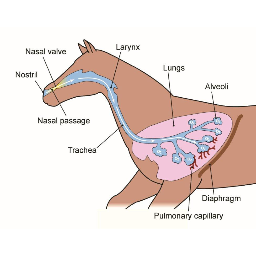
Zebras breathe like all other mammals. They breathe in through their nose (or mouth) which sends oxygen to the lungs. The oxygen then diffuses across the lungs and enters the bloodstream. After this, it is exchanged for carbon dioxide in the body cells and is exhaled out of the body.
Circulatory System
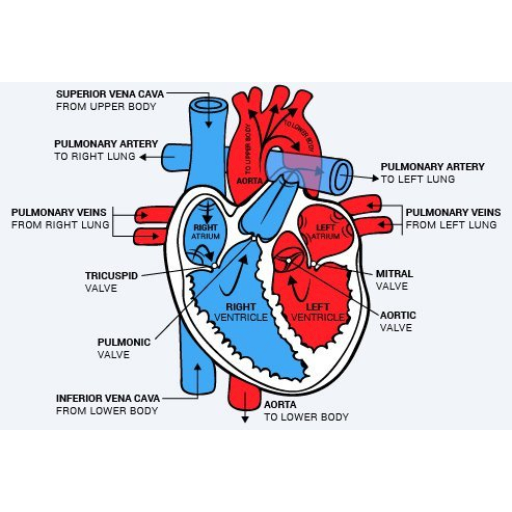
Zebras have a closed circulatory system, which means that blood flow has one direction and is closed within the blood vessels. The right side of the heart is oxygen-poor, while the left side is oxygen-rich. A diagram will be shown on the next page.

Circulatory System Diagram

This demonstrates the direction of blood flow in mammals. The right side (deoxygenated) flows to the lungs and the left side (oxygenated) flows to the body
Digestive System
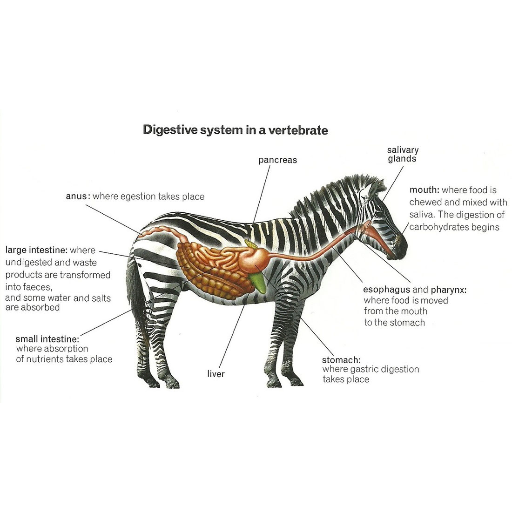
In zebras, the digestive system is called "Hindgut Fermentation". Food goes into the mouth and is broken down by salivary glands. The food then moves to the esophagus and into the stomach. After the stomach, the food travels into the small intestine and then ventures into the large intestine. The large intestine feeds into the rectum and travels out of the anus.

Nutrition
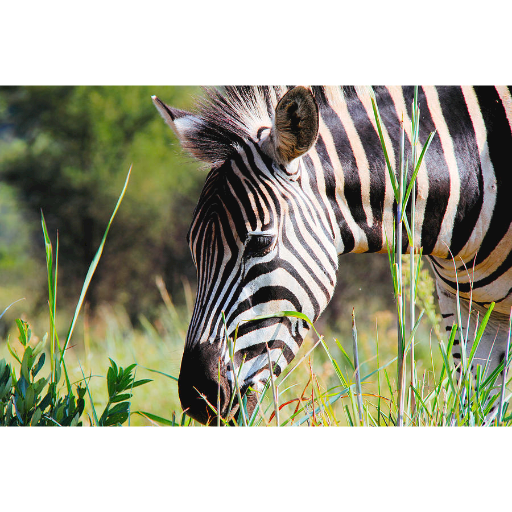
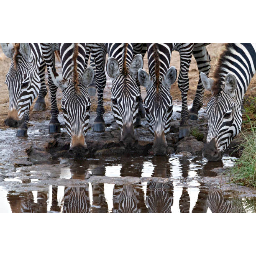
Zebras are herbivores, which means they eat specifically plants. Their diet consists of leaves, twigs, water, and of course, grass. In fact, 90% of their diet includes grass. Zebras can also be classified as grazers.

Food Getting
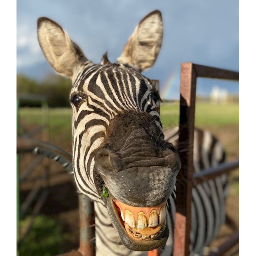
Zebras' strong upper and lower serrated teeth help them chew down thick stems and large chunks of grass so they can chew effectively and efficiently.

Support
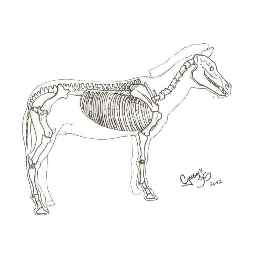
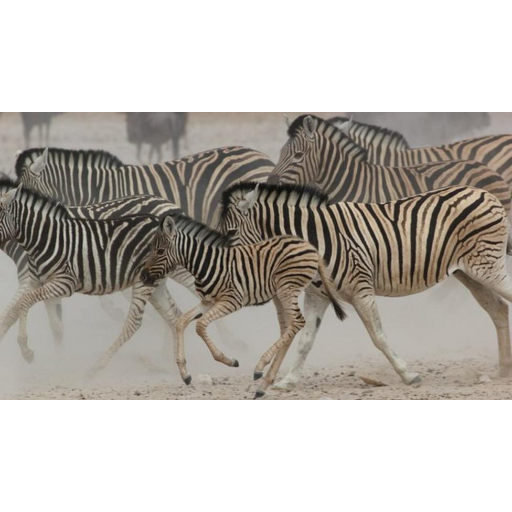
Zebras have 4 long, strong and slender legs that support them and help them run from predators.

Protection
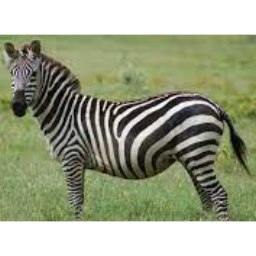
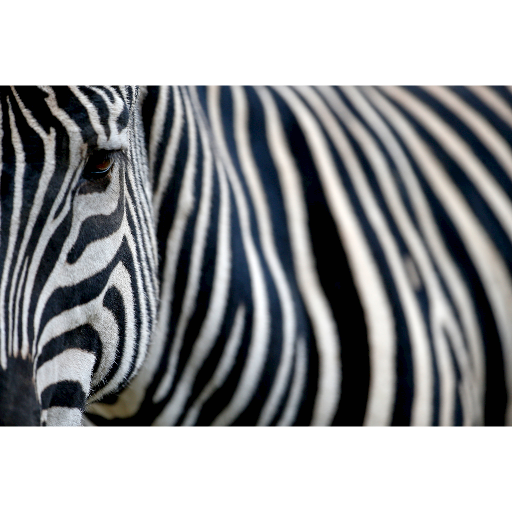
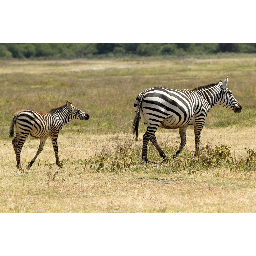
Zebras are covered in stripes. The function of these is to hide them away from predators while in groups or in plains, acting as camouflage. Sharp and serrated teeth can also help protect against predators. Another thing that zebras have as a function of protection is ectoparasite avoidance. This is an adaptation that occurred over time as zebras were selectively bred over time. The adaptation allows for the zebras to be parasite-free.

Movement
Did you know that zebras can run up to 40 mph? They have strong leg muscles that help them run away from predators in a zigzag pattern. They have a musculoskeletal system that allows them to move agilely.

Osmotic Regulation & Exrection Standard
Zebras have kidneys that filter water and other body fluids to the blood walls to make urine. Urine obtained passes to the bladder through tubes called ureters. Each kidney has a ureter that empties into the bladder. The bladder stores the urine and then flows through the urethra.

Temperature Regulation
Zebras are endothermic, meaning that they maintain body heat with their fur and metabolic heat. Fur provides a layer of hairs between the skin, keeping the organs and tissues warm. Metabolic heat is the warmth created from an animal digesting food with its metabolism.

Reproduction
Zebras breeding season spans from January to March. During this time, new plants grow which means its also feeding season. Mares can be in heat for as long as a week and they carry fetuses in the womb for 11 to 12 months. They become fully mature at 3 to 6 years old and reproduce sexually.

Development
A zebra is born with camouflage stripes, immediate mobility and a mother's lessons of survival skills. A foal is well developed at birth and weighs an average of 70 pounds. They don't go through metamorphosis and considered fully grown around 2 to 3 years of age.

- Full access to our public library
- Save favorite books
- Interact with authors

- < BEGINNING
- END >
-
DOWNLOAD
-
LIKE
-
COMMENT()
-
SHARE
-
SAVE
-
BUY THIS BOOK
(from $4.39+) -
BUY THIS BOOK
(from $4.39+) - DOWNLOAD
- LIKE
- COMMENT ()
- SHARE
- SAVE
- Report
-
BUY
-
LIKE
-
COMMENT()
-
SHARE
- Excessive Violence
- Harassment
- Offensive Pictures
- Spelling & Grammar Errors
- Unfinished
- Other Problem

COMMENTS
Click 'X' to report any negative comments. Thanks!