
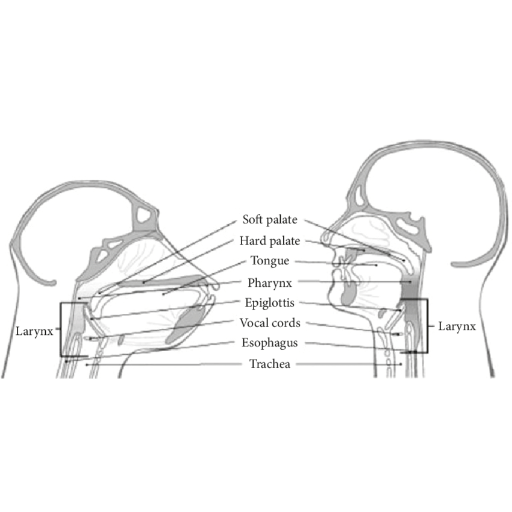
Respiration
Apes are very similar to humans when it comes to gas exchange.
They breathe in through their nose or mouth and the oxygen gets absorbed into their blood.
Then once they take in the oxygen, carbon dioxide is moved from the blood to the lungs and then the carbon dioxide is exhaled out.
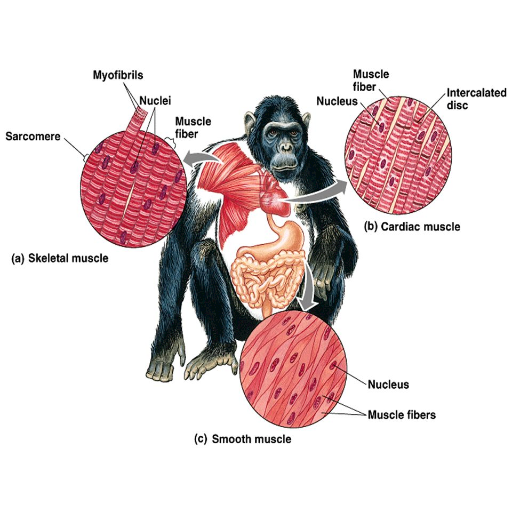
Circulation
Apes have a closed circulatory system allowing them to transport nutrients and oxygen throughout their body.
They have a four chambered hearts and their blood vessels and arteries carry blood to and from the heart and travel throughout the body.
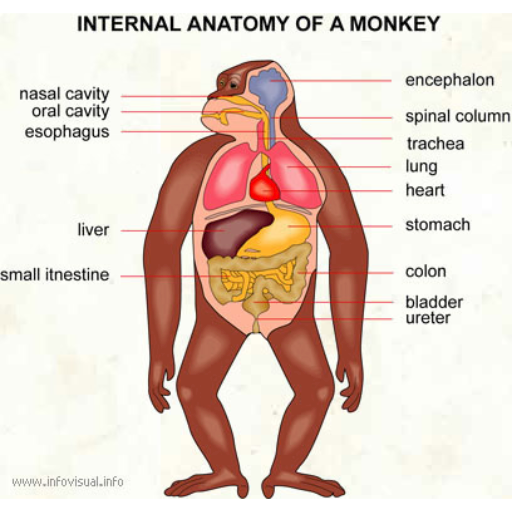
Digestion
As shown in the photo, apes digestive track is very similar to ours.
The food is taken in from the mouth, then is moved into the esophagus. Then, it is moved into the stomach where the process begins. The stomach breaks down the food and is moved into the small intestine and large intestine. Finally, it is moved into the colon and then transported out through the anus.
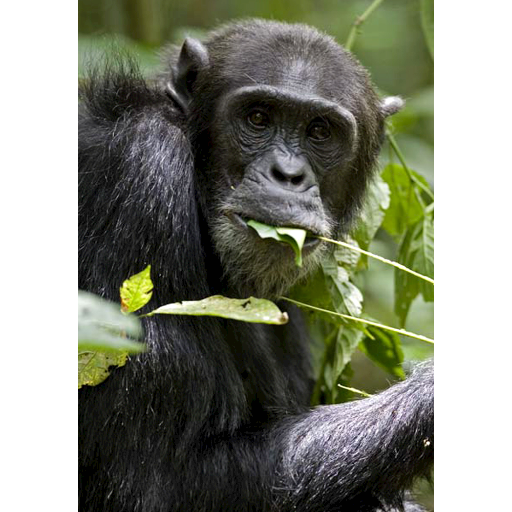
Nutrition
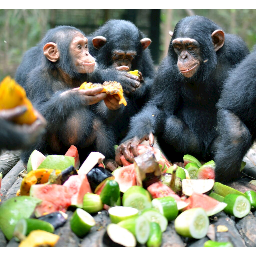
Usually, apes do not eat any meat. Apes have a diet of insects, fruit and some plants. They do eat meat occasionally, but it is not part of their every day diet.
Their everyday diet is mostly fruit, plants (leaves), and some kind of insects.
This diet allows them to stay healthy and consume all the nutrients their body needs.
Food Getting
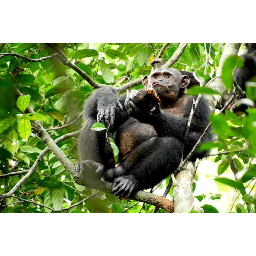
When getting food, apes tend to get their food from branches of a tree or scavenging along the ground.
Apes have a set of skills that allow them to swing through branches and climb up on trees which help them forage for food while being in a tree.
When apes are on the ground, they usually search around for insects to then consume.
Support Standards
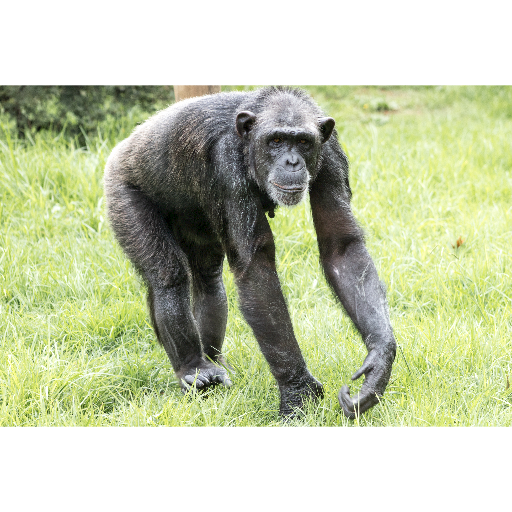
Apes are known for their short legs and long arms. This feature causes their posture to limit the stress on their bones allowing them to jump, land and move in ways other animals can't.
Their short legs help them with balance when running or swinging on branches.,
Protection Standards
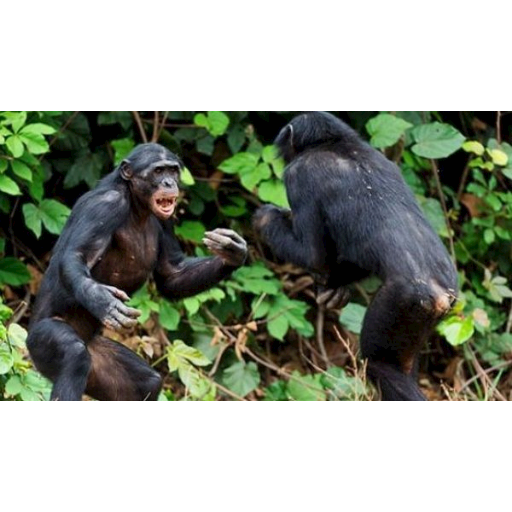
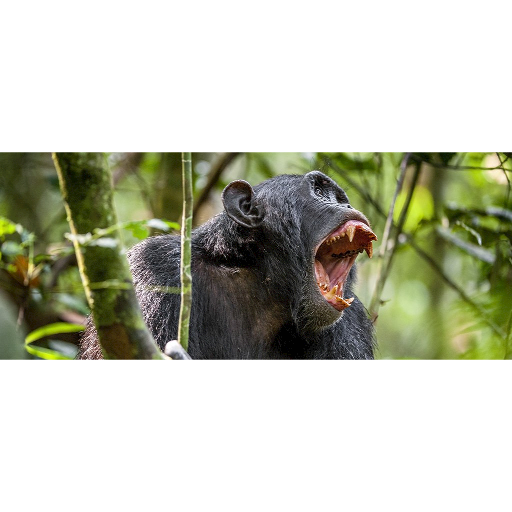
Apes have an incredible amount of strength. When an ape is being threatened and they can't run, they use their strength and long arms to beat and wrestle their opponents. They can also use their fangs to hurt/stun their opponent.
If they are overpowered, they use their agile and shifty bones in their body to move in certain ways that allow them to escape. They tend to climb up into trees and swing from branch to branch.
Movement Standard
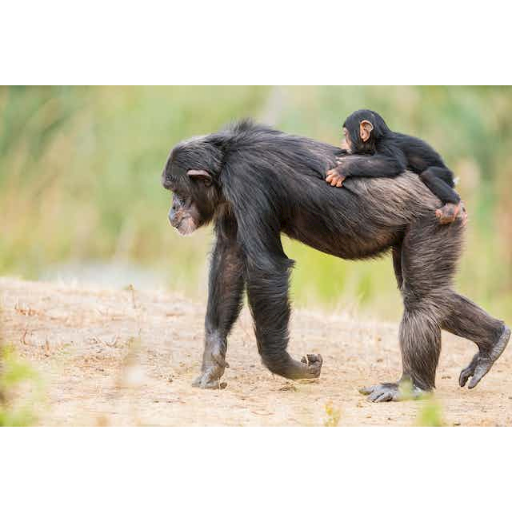
Apes usually walk with support from their knuckles as well. This is because using those long arms propel them much faster rather than just using the short legs they have.
Because of these long arms, their bones allow the ape to be agile and shifty. The adaptation apes have is their joints and bones are a lot more loose and moveable than other animals.


Osmotic Regulation and Excretion Standard
Apes are similar to us humans when it comes to disposing of waste and maintaining water balance.
Like us, apes have an anus which escorts out waste that our body produces. When food is digested, the remaining food turns into waste that is disposed of through the anus.
Apes don't actually need a lot of water to survive. They usually get their water from food and it allows them to not drink water for quite a while.
Temperature Regulation Standard
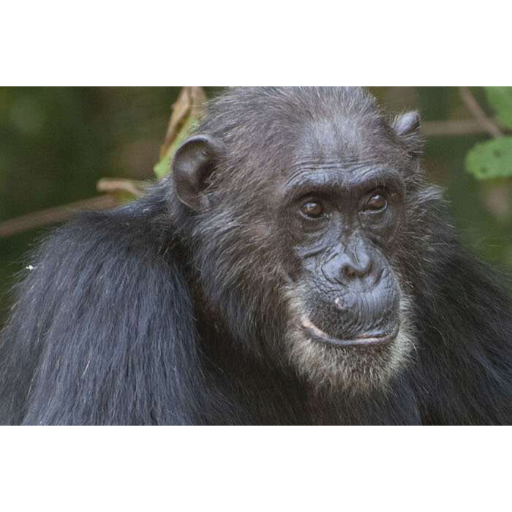
Apes are known to be the same as us, warm blooded, also known as endothermic.
Apes are homeothermic which means they regulate their own body temperatures.
During colder times of the year, the hair on apes grow which helps their body temperature maintain normal temperature.
Reproduction Standard
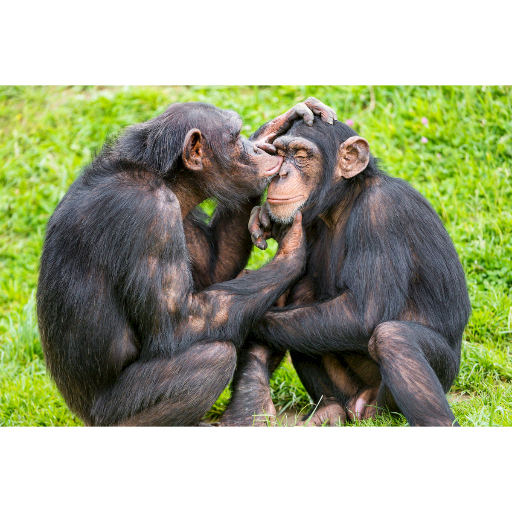
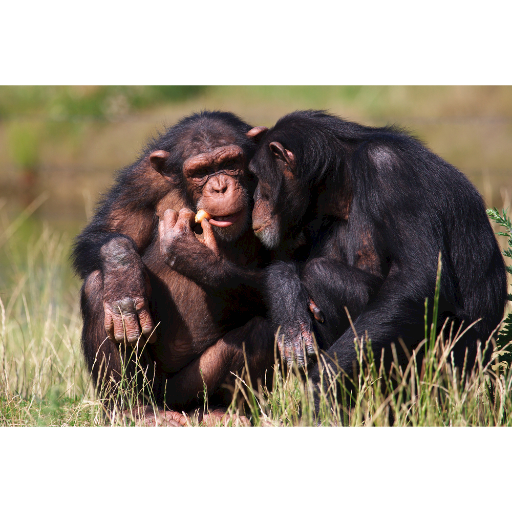
Apes are sexual, not asexual. They produce by mating with a female ape.
They mate the same way us humans do. An adaptation they have is that apes can mate up to 10 times a day. Apes tend to mate when there isn't any presence from any other kind of animal.
Development Standard
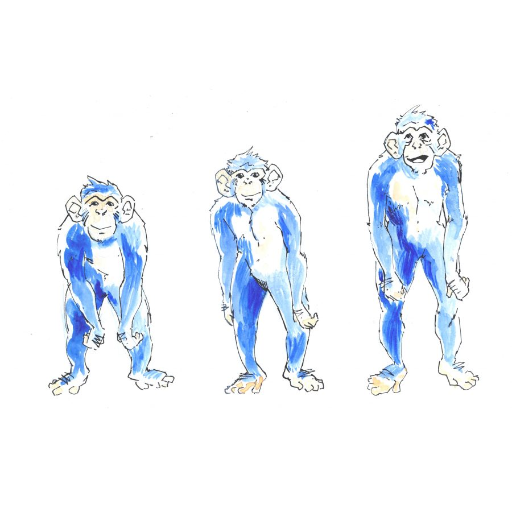
Apes have 5 parts of their life cycle. The 5 stages are neonate, infant, juvenile, adolescence, subadults, and adult..
Their life cycle is similar to humans. As babies, they don't do much but when they grow into juvenile and adolescence stage, they start to become more active and mature. Then, when adults, they reproduce, eat more, etc. Apes tend to live anywhere.
Mating Behaviors Standards
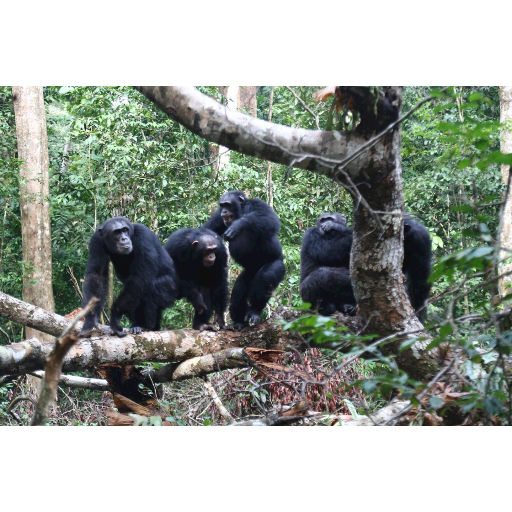
When apes are ready to mate, they tend to fight each other to show dominance to the females.
Females tend to mate with the most dominant ape, causing a fight with other apes.
- Full access to our public library
- Save favorite books
- Interact with authors
- < BEGINNING
- END >
-
DOWNLOAD
-
LIKE
-
COMMENT()
-
SHARE
-
SAVE
-
BUY THIS BOOK
(from $8.39+) -
BUY THIS BOOK
(from $8.39+) - DOWNLOAD
- LIKE
- COMMENT ()
- SHARE
- SAVE
- Report
-
BUY
-
LIKE
-
COMMENT()
-
SHARE
- Excessive Violence
- Harassment
- Offensive Pictures
- Spelling & Grammar Errors
- Unfinished
- Other Problem






COMMENTS
Click 'X' to report any negative comments. Thanks!