This is me!

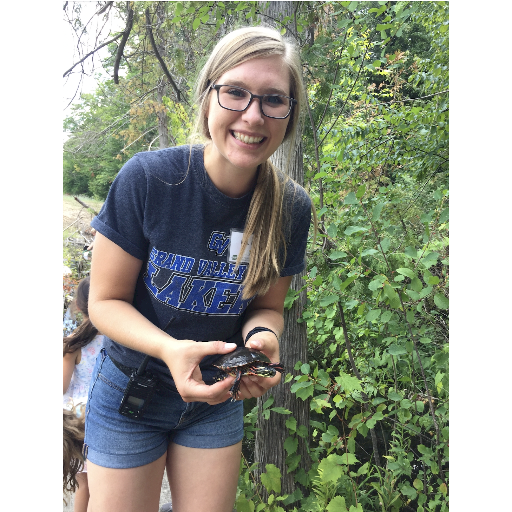
About the Author:
Paige MacKinnon, or "Miss Paige" as her students call her, is the current Education Specialist at the Boardman River Nature Center (2021). She gets to hike almost every day teaching kids about nature--from catching frogs and turtles to identifying trees and everything in between. She thinks she has the best job on the planet.

Hello! I am Miss Paige and I work here at the Boardman River Nature Center in Traverse City, Michigan. I work with friends called conservationists. Their job is to protect things found in nature—water, soil, plants, insects, wildlife, and forests to name a few!
I get to teach children all about nature so they can learn to love the outdoors as much as we do here at the Nature Center.
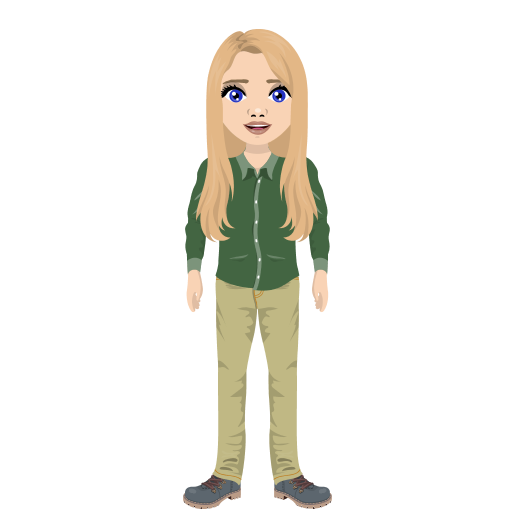
Come along with me as we explore things you can find here on our trails, like rolling rivers, tremendous trees, beautiful botany (that means plants!), furry and feathered friends, creepy crawlies and more!
A is for Animal Adaptations
One of my favorite lessons to teach is about animal adaptations! Adaptations are characteristics of a living thing's body or behavior that help it survive in its environment. All types of living things--animals, birds, fish, insects, even plants--look or act certain ways to keep them alive. For example, deer have strong legs that help them run fast and escape predators. Frogs' colors and patterns help them camouflage to hide from predators. Beavers have clear eyelids to help them see underwater.
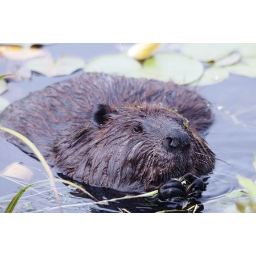
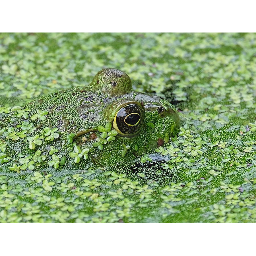
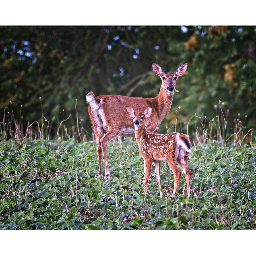
Can you think of another animal that has a special trait to help them survive? What about humans?
Have you ever seen the Boardman River?
B is for Boardman River
The Boardman River is right in our backyard here at the Nature Center! You can come walk our trails along the river to get a closer look, but be very careful! It moves fast and is not safe for swimming near our trails. We let wildlife enjoy it instead. The Boardman River is nearly 200 miles long and flows into Grand Traverse Bay here in Traverse City, Michigan. Its cold water and plenty of logs make it the perfect home to trout, salmon, and steelhead. You can find anglers fishing the river during spring, summer, fall, and winter!
C is for Composting
What do you do with your egg shells after breakfast or your orange peel after eating a snack? Do you put it in the garbage, throw it outside, or do you compost it? Composting is a way to recycle our food scraps to use in our gardens! When you place your food scraps in a special bin, they break down, or decompose, into super healthy soil that we call compost. This soil can be spread in our gardens to help more food grow! Compost bins can look different, but they all do the same thing. Some even use worms to help break down the food! This is called vermicomposting. How cool is that?!
Things you CAN compost:
Things you CANNOT compost:
Meat, Bones, Fat, Cheese, Oils, Milk,
Pet waste
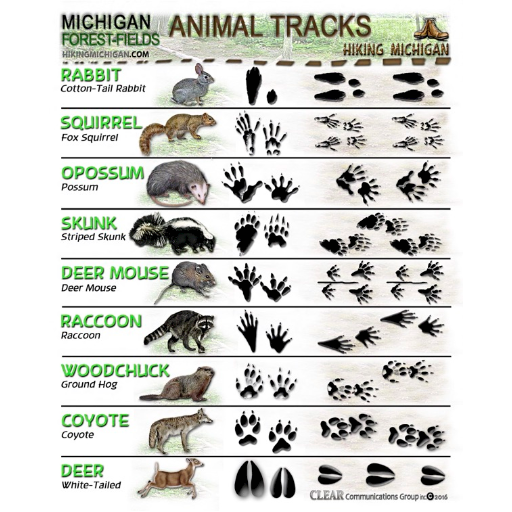
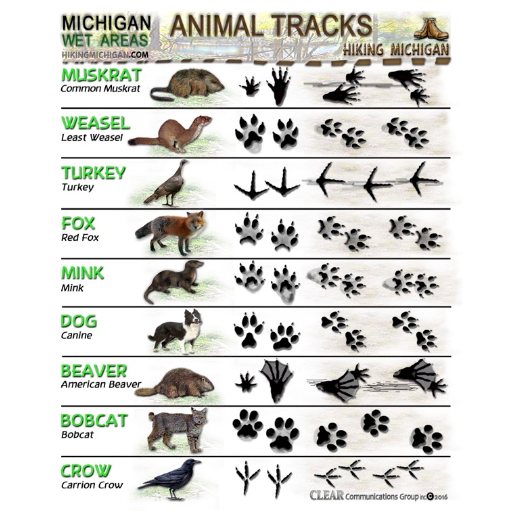
D is for Deer (and other animal)Tracks
Animals can be stealthy (like ninjas!) and sometimes the only way we know they are around is to look for their tracks. I like to tell people to be nature detectives to figure out which furry and feathered friends might be sharing our favorite places. Having these handy track identification charts help us determine who we might be crossing paths with on our trails here at the Nature Center. The best time to look for tracks is after it rains or in the winter. You can find them in sand and mud, too! Just remember that they are not going to look perfect and are sometimes hard to identify.
Michigan is home to ten different species of turtles. Eastern Box Turtles are uncommon to find in Michigan and their numbers are declining, making them a species of Special Concern. This means that if the turtles are not protected, they could become endangered (they could become extinct and not come back). It is important to keep these turtles in the wild, even if they are cute enough to be pets! They often have to cross roads to find a spot to lay their eggs. If you ever see one in the road, ask an adult to safely move it across. They like to live in forests with sandy soils that are near water sources.
E is for Eastern Box Turtle
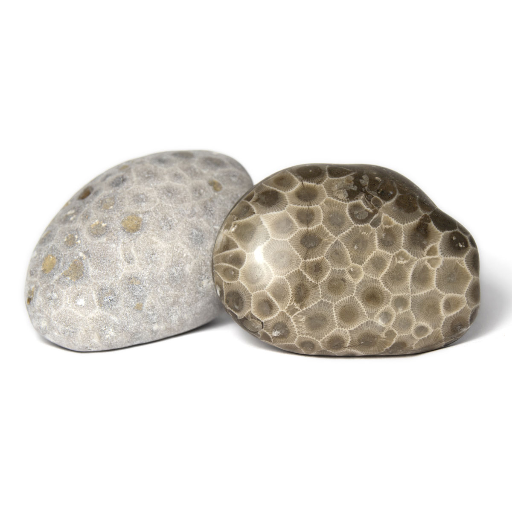
Have you ever found a rock with a really cool pattern? Chances are, you found a fossil! A fossil can form when an animal dies and leaves behind its skeleton. Small pieces of rock, called sediment, layer on top of the bones. Over time, these layers of sediment harden and turn to rock. Minerals from water get into tiny holes and replace the bones and BOOM! a fossil is made. Plants can leave behind stems and leaves that form fossils, too.
Petoskey stones are Michigan’s state rock. They are fossilized coral from millions and millions of years ago! During the Devonian Period, Michigan was under water—did you know that?! You can find Petoskey stones by the Boardman River here on our trails.
F is for Fossils
G is for Garden
If you take a walk around the Nature Center, you will see beautiful flowers in our gardens that are native to Michigan. Native means that these plants originally grew in Michigan and no one had to go to Florida or California or anywhere else to plant them! These plants are important to provide food for Michigan butterflies, insects, birds, and animals. In the summer, part of our garden grows plants that are taller than I am! Some native plants in Michigan include: Sand coreopsis, Pale purple coneflower, Bee balm, Sweet black-eye Susan, Hairy goldenrod, and Skyblue aster!
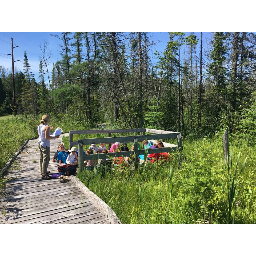
Wetland
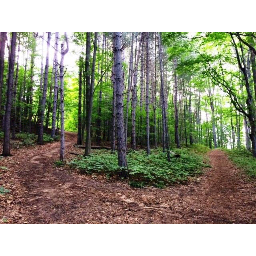
Hardwood forest
Meadow
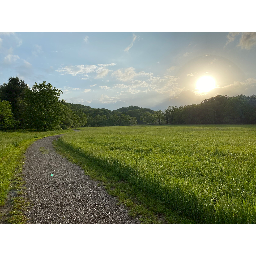
Do you live in a city or in a forest? On a farm or by a lake? Or maybe even a big field with no one around? Where do our furry and feathered friends live? They live in habitats! These are places that give them the food, water, and shelter they need to survive. Here at the Nature Center, we have wetland, hardwood forest, and meadow habitats. Wetlands have wet soil, so not all plants can survive. This soil helps filter out pollutants in the water, which makes them very important! You might find ducks, beavers, and muskrat in wetlands. Hardwood forests have deciduous trees that lose their leaves in the fall and coniferous trees that have needles and cones. You can find squirrels, raccoons, and rabbits in our hardwood forests. Meadows have lots of grasses, flowers, and shrubs. You can find mice, owls, and deer in our meadows.
H is for Habitats
I is for Invasive Plants
I have friends here at the Nature Center who help people find and remove what we call invasive plants. Remember when I mentioned native plants in our gardens? Invasive means a plant (animals, fish, and insects can be invasive, too) is not normally found here in Michigan. These plants came from somewhere else and are now growing in our beautiful areas. These plants often have no enemies, so they survive really well. So well, in fact, that they can outcompete (or take over) our native plants!
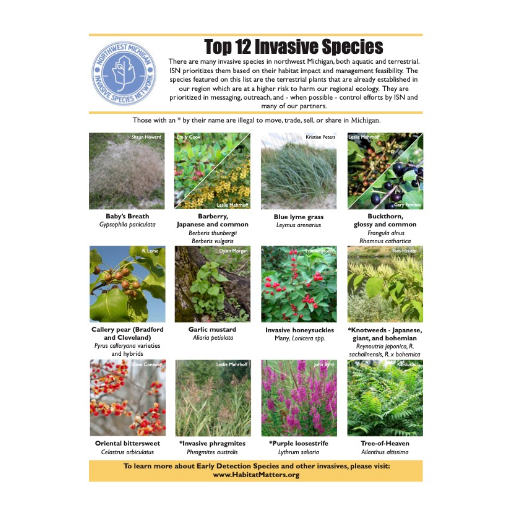
I would love if you could go check your backyard to see what you have growing there. If you see one of these species, let me or one of my friends here at the Nature Center know!
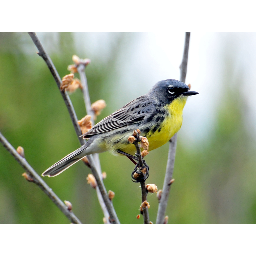
Kirtland's Warbler
J is for Jack Pine
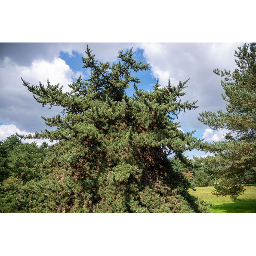
Remember when I talked about animal adaptations way back in the beginning? Jack Pine is a Michigan tree that has a really unique adaptation. It does not need a lot of water to survive, so it is adapted to live in really dry and sandy places. Jack Pines need heat from wildfires for their cones to release their seeds to grow more trees. They are also kind of silly and are known to grow sideways sometimes, not straight like other pine trees! Jack Pines are special because a rare bird, the Kirtland’s Warbler, will only make their nests in Jack Pines.
Northern Michigan’s state soil is Kalkaska sand. It is different than the golden sandy beaches you might find along our Great Lakes. Kalkaska sand can have many different colors—dark near the surface and lighter as you dig deeper. How did the top layer get so dark? From glaciers! When the glaciers retreated 12,000 years ago, they left behind bits of rock, plants, and trees that decomposed and mixed into the lighter sand that is found below. This soil is perfect for our trees growing here around the Nature Center!
K is for Kalkaska Sand
Fun fact: If your family cuts down a Christmas tree every year, chances are they are grown in Kalkaska soil!
L is for Leopard Frog
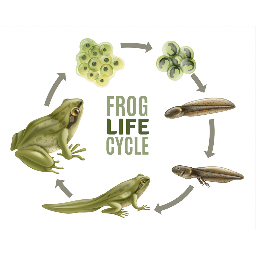
Michigan is home to thirteen different species of frogs. Like the Eastern Box Turtle, Leopard Frogs are uncommon to find in Michigan and their numbers are declining; however, it is your lucky day! I catch Leopard Frogs with my students here on our trails all summer long. We even catch baby frogs, called tadpoles. These babies do not look like their parents, do they? No. They are born with no legs and a tail! They have to go through a metamorphosis, or a really big change, to grow legs and look like an adult frog.
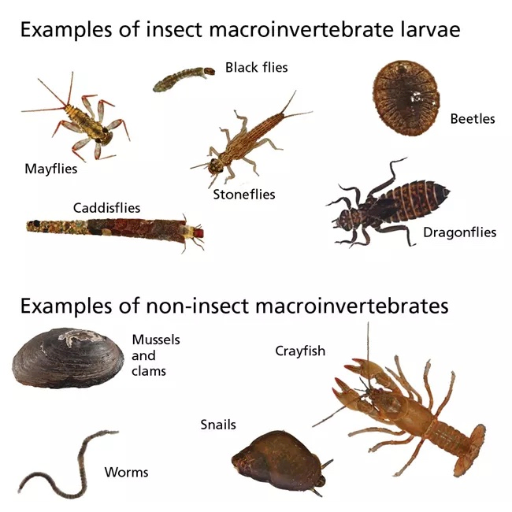
Macro-what? Macroinvertebrates! Macro- means something big enough to see with your eye (without needing a magnifying glass or microscope). Invertebrate means a living thing without a backbone. Many macroinvertebrates live in the water and you can find them here in the Boardman River and Jack’s Creek on our Fox Den Trail! All you need is a net, some sort of plastic tub, ice cube trays to sort your findings, and tools like pipettes and tweezers to move your specimens around.
Some macroinvertebrates can live in polluted water and others cannot. Depending on which kind of macros you find, you can determine the health of the water. Macroinvertebrates are also a food source for small fish! Some examples of macros are crayfish, snails, clams, flatworms, and insects, like dragonfly larvae.
M is for Macroinvertebrates
What are humans?
N is for Nocturnal
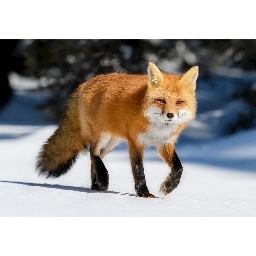
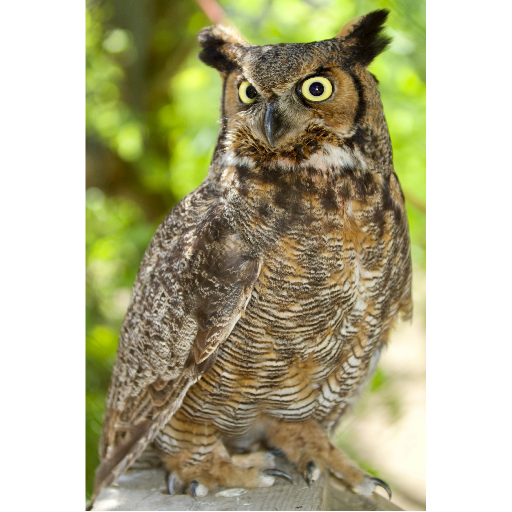
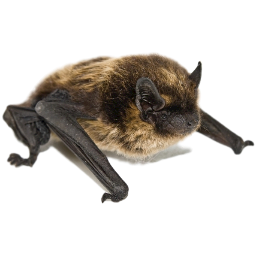
Do you have a bedtime? Did you know that when you are sleeping, some animals are out to play? It is true! These animals are called nocturnal, which means they are active at night and sleep during the day. Some of these animals include bats, coyotes, opossums, owls, raccoons, red foxes, and skunks.
Animals who are awake during the day are called diurnal. Many raptors (hawks, eagles, falcons, etc.) are diurnal and so are squirrels and butterflies. Animals who are active around sunrise and sunset are called crepuscular. Say that five times fast! Examples of crepuscular animals are deer, rabbits, mosquitoes, hummingbirds, and beavers.
One of our most popular displays in our Nature Center is our River Otter, Ollie (lovingly named by some of my students)! Otters are known to swim up and down the Boardman River. Have you ever seen one? They are fun to watch. They are very playful, just like children! They slide around on their bellies and even wrestle and chase each other.
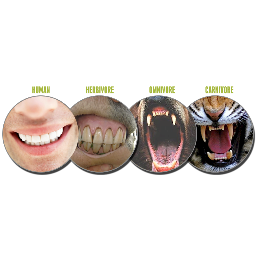
Otters are carnivores, which means they eat meat, especially fish! Animals that only eat plants are called herbivores. Can you think of Michigan animals that are herbivores? I will give you a hint. They have strong legs to escape their predators and leave tracks on our trails. You guessed it—deer! Animals that eat both plants and meat are called omnivores. Bears, skunks, raccoons, robins, and woodpeckers are omnivores.
O is for Otter
P is for Pollinators
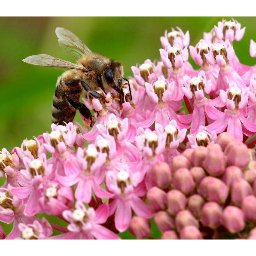
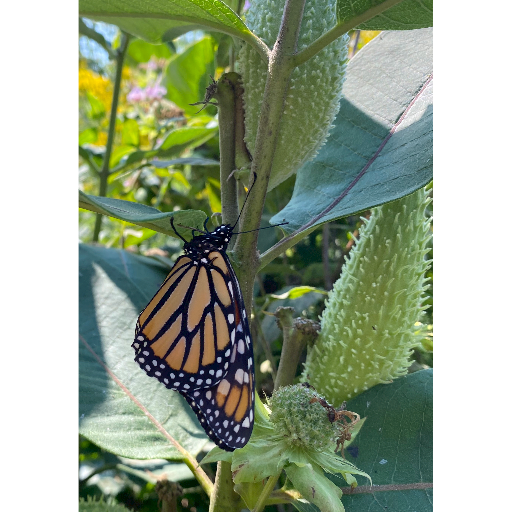
A pollinator is an animal that causes plants to make fruit or seeds by carrying pollen from one plant to another. Bees, butterflies, and hummingbirds are pollinators that we see often in the Nature Center gardens!
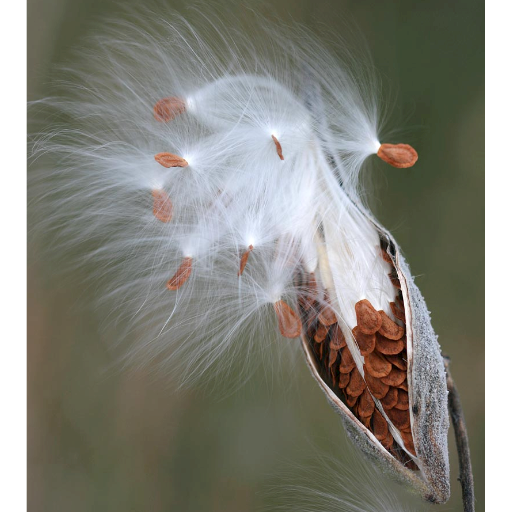
We have a garden filled with milkweed plants to attract Monarch butterflies. Their habitats are being destroyed in Michigan to build new buildings and parking lots. Take a look around your backyard. I bet you have milkweed plants nearby! Bees and butterflies pollinate the pink and purple flowers. The prickly green things are the seed pods. In the fall, they burst open and release their fuzzy seeds. They almost look like little feathers!
Another animal adaptation is protection! Porcupines are slow and do not need speed to escape their predators. Instead, they use their quills to protect themselves. Some people might tell you that they shoot their quills when they feel threatened, but that is not true! An animal must touch a porcupine to get stuck with quills. We have a mom and baby porcupine that live on our Sabin Trail!
What other animals have protection on their bodies? Turtles and fish! Turtles have shells that act like armor. The top part, the carapace, is covered in scutes (like scales) that are made of keratin, just like our fingernails. Scales on fish help protect them from predators, too.
Q is for Quills
- Full access to our public library
- Save favorite books
- Interact with authors
- < BEGINNING
- END >
-
DOWNLOAD
-
LIKE
-
COMMENT()
-
SHARE
-
SAVE
-
BUY THIS BOOK
(from $11.19+) -
BUY THIS BOOK
(from $11.19+) - DOWNLOAD
- LIKE
- COMMENT ()
- SHARE
- SAVE
- Report
-
BUY
-
LIKE
-
COMMENT()
-
SHARE
- Excessive Violence
- Harassment
- Offensive Pictures
- Spelling & Grammar Errors
- Unfinished
- Other Problem






COMMENTS
Click 'X' to report any negative comments. Thanks!