This book shows some of the work around the story of Frankenstein.
It is shared by partner pupils and teachers of four countries
six schools and
eight different subjects: English as L2, Geography, Chemistry, Art, History, Citizenship, ICT and Portuguese.
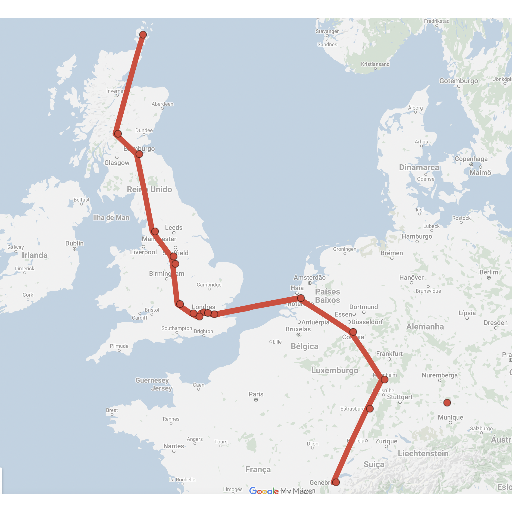
Map designed by pupils 9F in Google Maps session

1. Mary Shelley
2. Plot Summary
3. Physics in Frankenstein
4. Reviews
5. Sketches
6. Quotes Retold
7. Medieval Chivalry
8. Geography
9. ICT
10. Conclusion
Google Map created by 9th graders recreating the journey
Alice - Fontainebleau

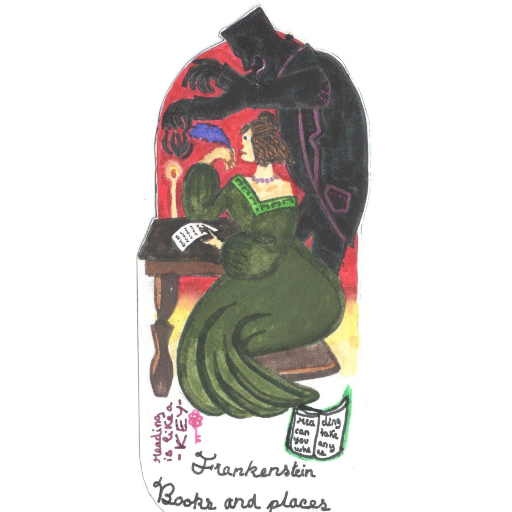
1 . Mary Shelley
Agathe Fontainebleau France
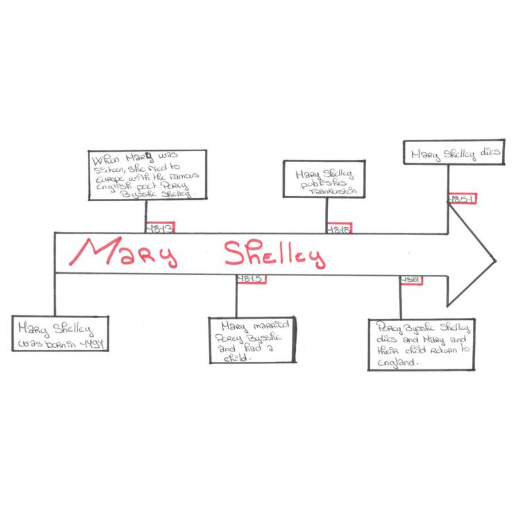
Juliette, Fontainebleau, France
Biography text by Pedro 8I
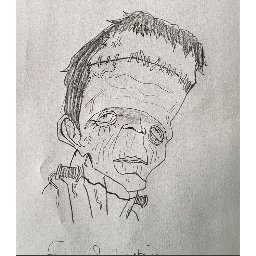
Noah , France
Frankenstein was written by Mary Shelley, the wife of the famous romantic poet, Percy Shelley, in 1818.
It is a horror tale which is considered as the first science fiction novel
Maria Pedrosa, 8F - AEGN , Portugal
2. Plot Summary
Maps about places in the story - 7E - AEGN, Portugal
The story is narrated through the letters of an English explorer, called Robert Walton.
He tells us about Victor Frankenstein, a genius student from a good Swiss family, interested in science
During his stay at university, in Ingolstadt, Germany, Dr Frankenstein discovers the secret of life.
He collects bones and parts of dead bodies from graveyards and makes a giant man who is more monster than man.
Catarina, 7H - AEGN - Portugal
Lara Azevedo 7H
AEGN - Portugal
Everybody is afraid of him because it is so huge and ugly, and Frankenstein himself refuses him.
Cristiana -8F - AEGN - Portugal
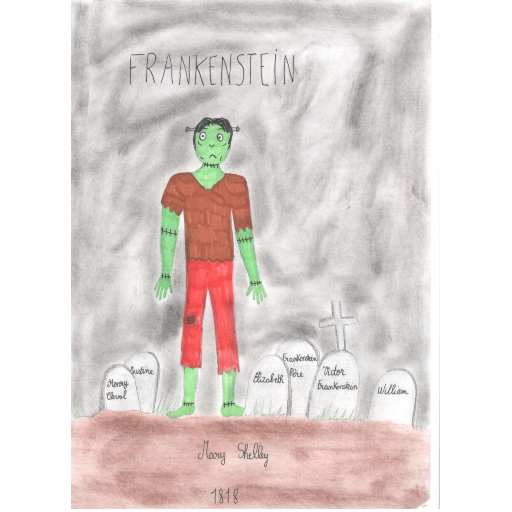
The poor monster is good but because of his physical appearance he has no friends and feels terribly lonely and miserable, so he asks Victor to make him a wife.
Horthense, Fontainebleau, France
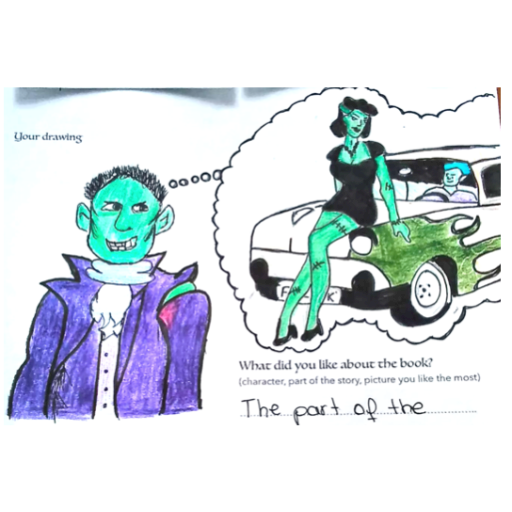
At first Frankenstein accepts but then he realises that two monsters could be too dangerous for mankind and destroys her.
Leonor, 8F , AEGN, Portugal
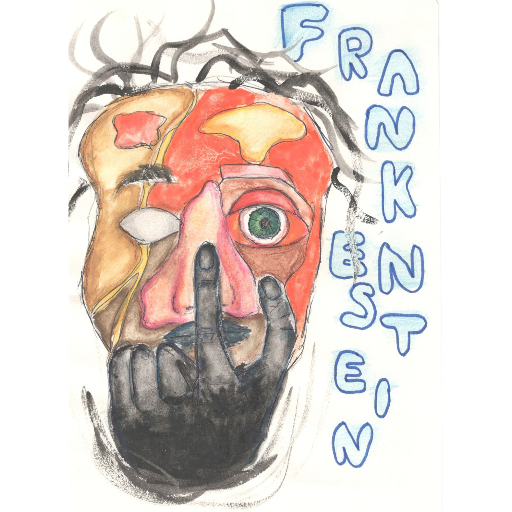
...The monster gets very angry and aggressive.
He attacks and kills Frankenstein’s brother, his friend Clerval and his bride Elizabeth.
Fontainebleau, France
Frankenstein is heart-broken and decides his revenge against the monster: he wants to kill him.
He begins a long journey but He can’t survive the cold and dies.
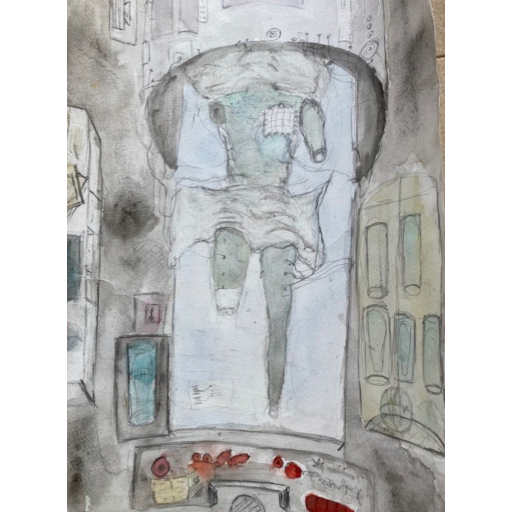
The monster finds Frankenstein’s lifeless body and he is desperate because he has lost his creator without asking him forgiveness for his terrible acts, so he decides to kill himself.
Frankenstein has been a huge success because of the main characters, particularly the creature, which is both fascinating and frightening.
The origins of Galvanism lay in the late 17th century. It's a branch of science that is still studied today. So, what was it that influenced Mary Shelley as she created Frankenstein and his monster?
First discovered in the 1780’s by Luigi Galvani, from whom the name is derived, during his experimentation in the application of an electrical current to dissected animals. Luigi quickly noticed that by using a certain combination of metals (iron and copper in this case) that the legs of frogs would twitch and move about.
It is said that he first stumbled across the idea of applying an electrical stimulus when he touched a scalpel to an exposed nerve ending during a routine dissection. In this case we’re pretty sure that stored static from the removal of the skin would have been his electrical current.
He dubbed his discovery ‘Animal Electricity’ although now debunked some of his ideas about animal electricity are being examined in the science of bio electricity. His discovery improved our understand of how muscles and nerve endings work. Luigi was however wrong in his understanding of what was happening. Galvani thought that he was activating the animals own intrinsic electrical energy, which he thought was stored in muscles near the pelvis.
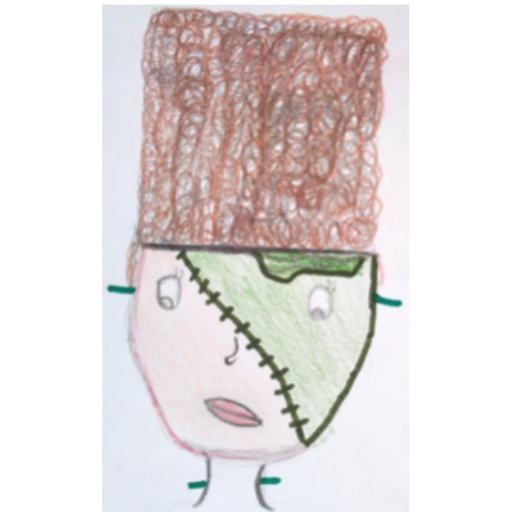
Mary Shelley was only five years old at the time, It was clear that later in life she was aware of Galvanism. She directly referenced the works of Luigi Galvani as part of the summer reading list. Her 1831 introduction to the third edition of Frankenstein specifically mentions Galvanism as the topic of conversation on the night of her ‘waking-dream’ of the monster’s creation
Lara Dias, 7H
AEGN, Portugal
Although heavily implied and alluded to in the introduction Shelley never specifically mentions Galvanism or the use of electricity in the reanimation of Frankenstein’s monster. We instead see Victor transporting and setting up his ‘chemical equipment’. The method would not have been important to Shelley and needed little explanation. It was a means to an end of getting the monster created.
Hernâni, 7H
AEGN, Portugal
Galvanism however does form the basis of the modern Frankenstein.
Conductive bolts in the neck and electro-chemical equipment, normally generators, and stormy nights replete with lightning bolts culminate in bringing the monster to life.
4. Reviews

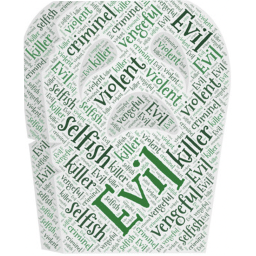
Fontainebleau

Fontainebleau
Escola Gomes Teixeira
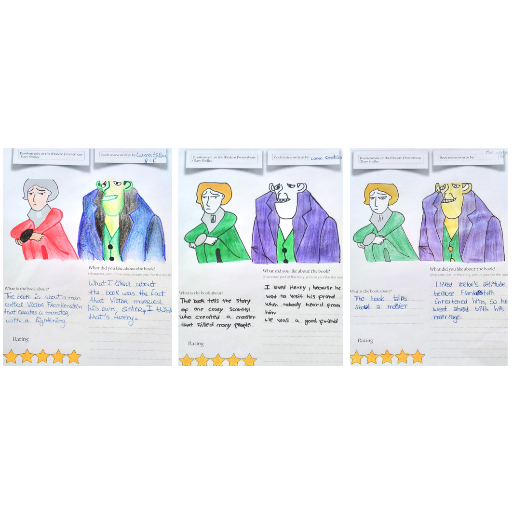
Fontainebleau
Escola Adriano Correia de Oliveira
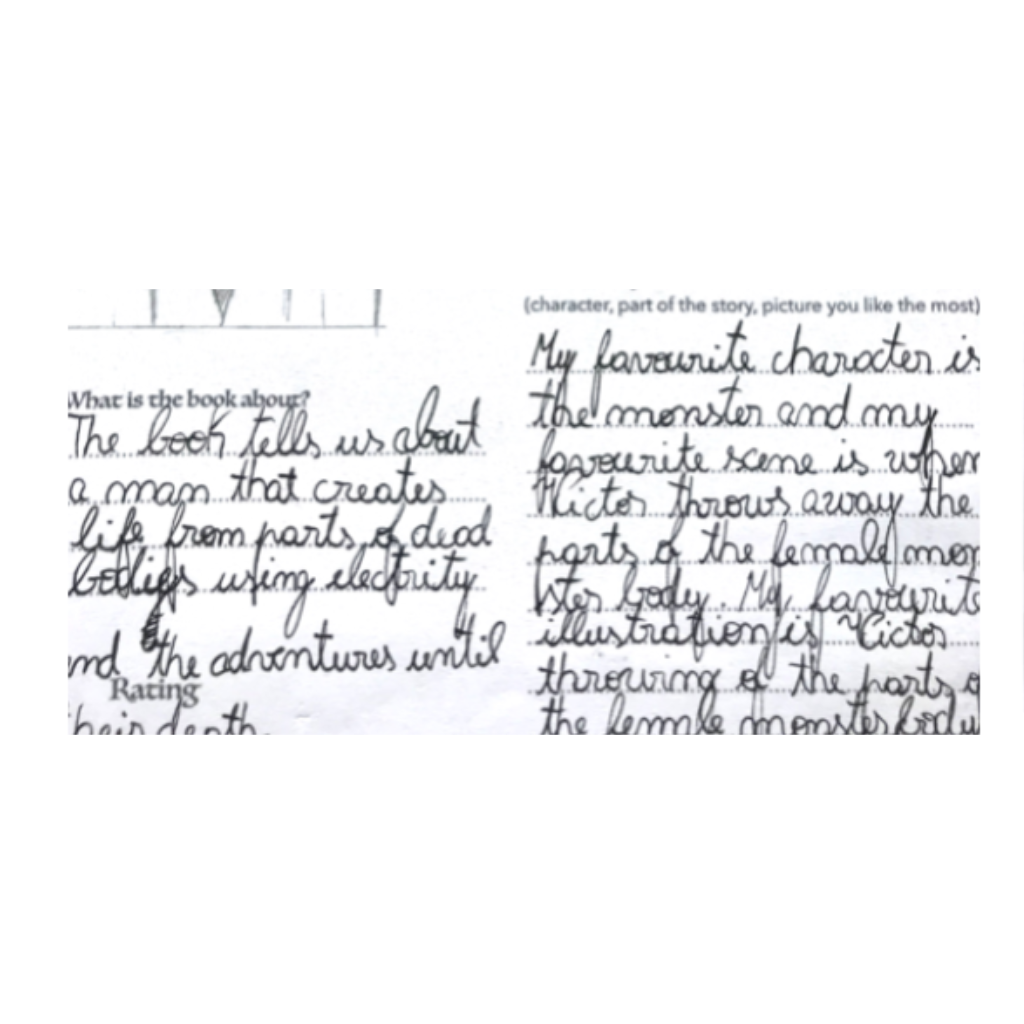
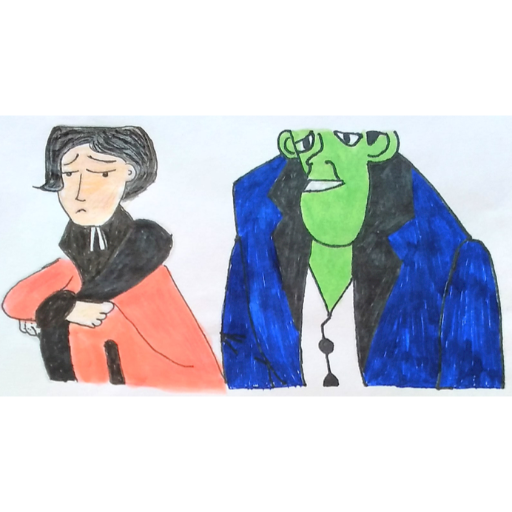
5 -
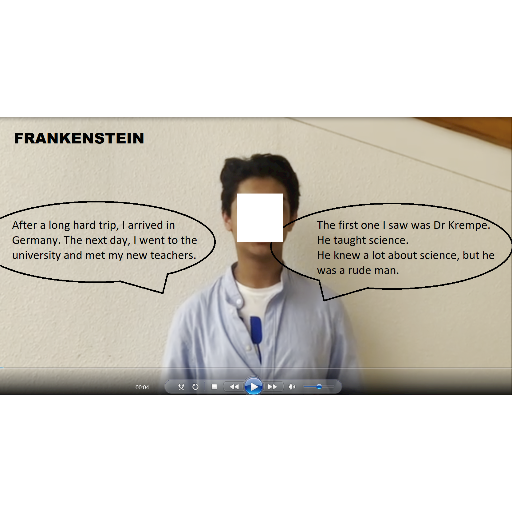
Scene 1
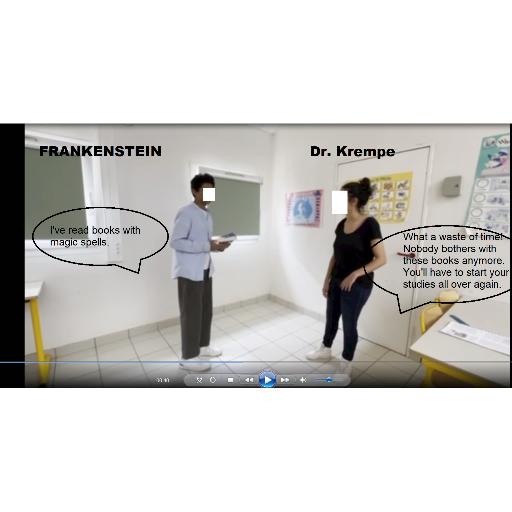
Scene 2
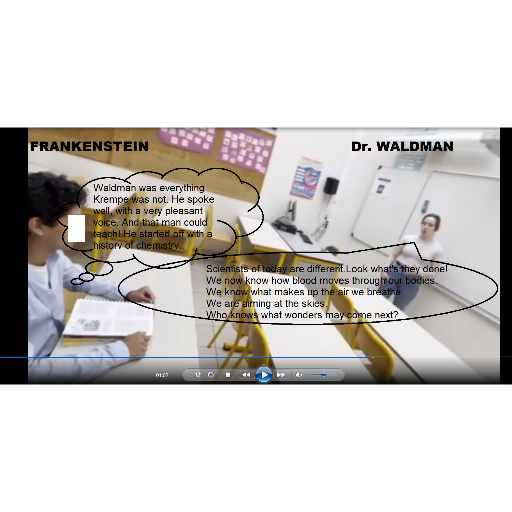
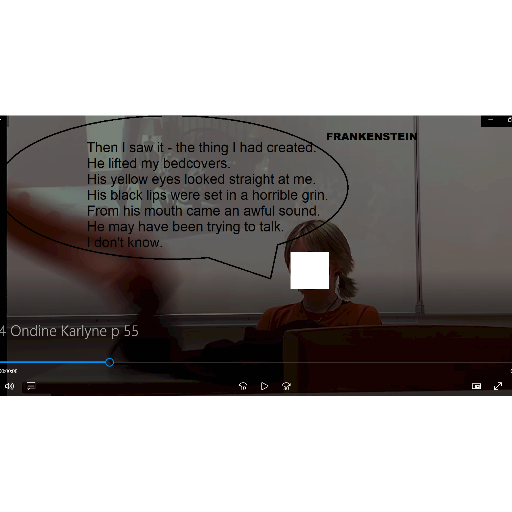
Scene 3
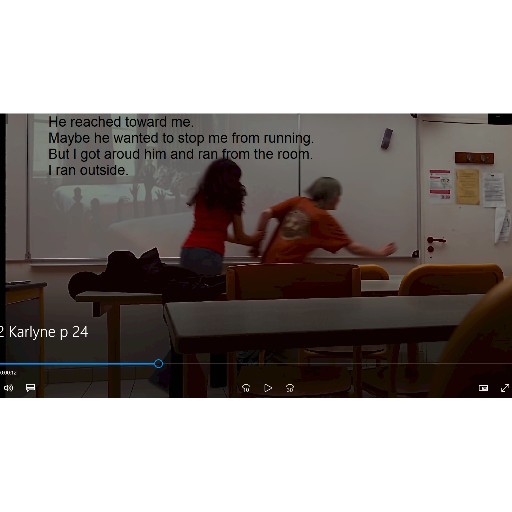
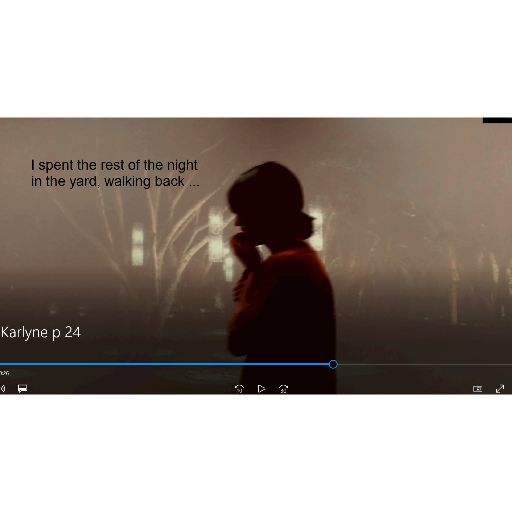
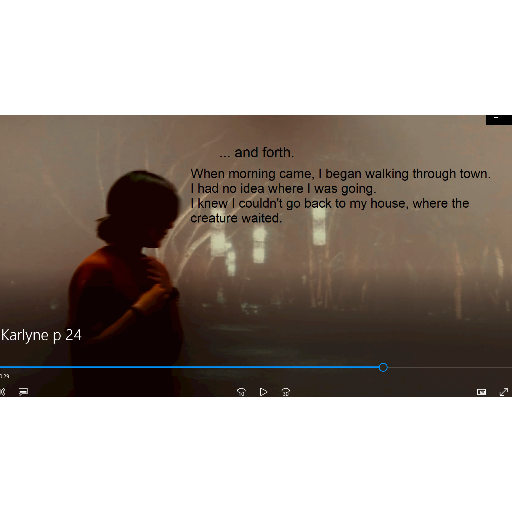
- Full access to our public library
- Save favorite books
- Interact with authors
- < BEGINNING
- END >
-
DOWNLOAD
-
LIKE
-
COMMENT()
-
SHARE
-
SAVE
-
BUY THIS BOOK
(from $11.99+) -
BUY THIS BOOK
(from $11.99+) - DOWNLOAD
- LIKE
- COMMENT ()
- SHARE
- SAVE
- Report
-
BUY
-
LIKE
-
COMMENT()
-
SHARE
- Excessive Violence
- Harassment
- Offensive Pictures
- Spelling & Grammar Errors
- Unfinished
- Other Problem
"Books and Places is Back"
English, Geography, Physics and Chemistry, Classics, Natural Sciences, History, Art, Maths and Portuguese teachers of 4 different countries, 6 schools and 8 different groups are collaborating. This book will gather it all. Keep up with the news !!





COMMENTS
Click 'X' to report any negative comments. Thanks!