
COMPUTER NETWORKING
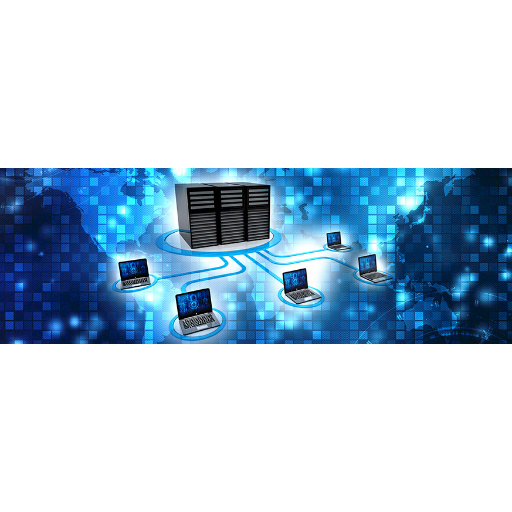
A computer network is a set of computers sharing resources located on or provided by network nodes. The computers use common communication protocols over digital interconnections to communicate with each other.
Packet
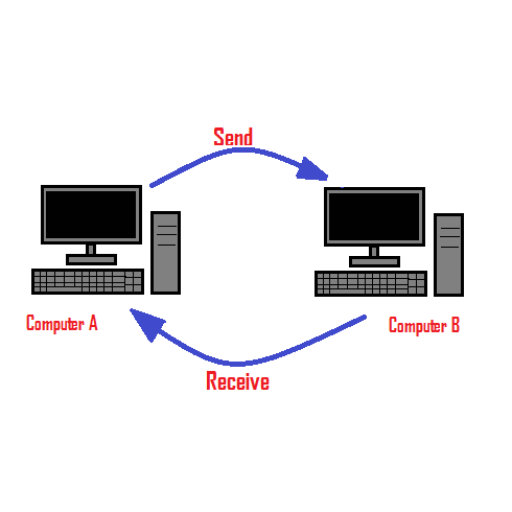
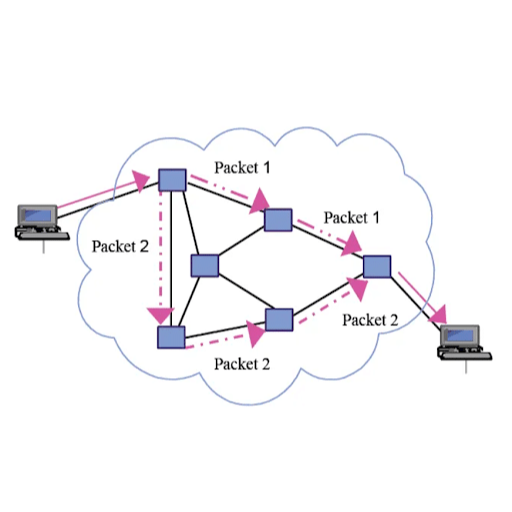
In networking, a packet is a small segment of a larger message. Data sent over computer networks*, such as the Internet, is divided into packets. These packets are then recombined by the computer or device that receives them.
Local area Network
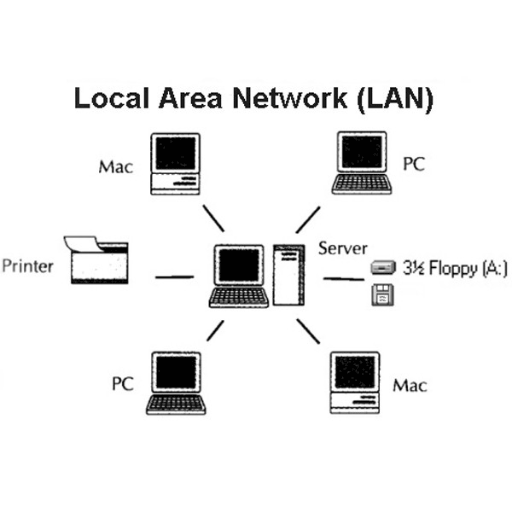
A local area network is a computer network that interconnects computers within a limited area such as a residence, school, laboratory, university campus or office building. By contrast, a wide area network not only covers a larger geographic distance, but also generally involves leased telecommunication circuits.
Wide area network
A wide area network is a telecommunications network that extends over a large geographic area. Wide area networks are often established with leased telecommunication circuits.
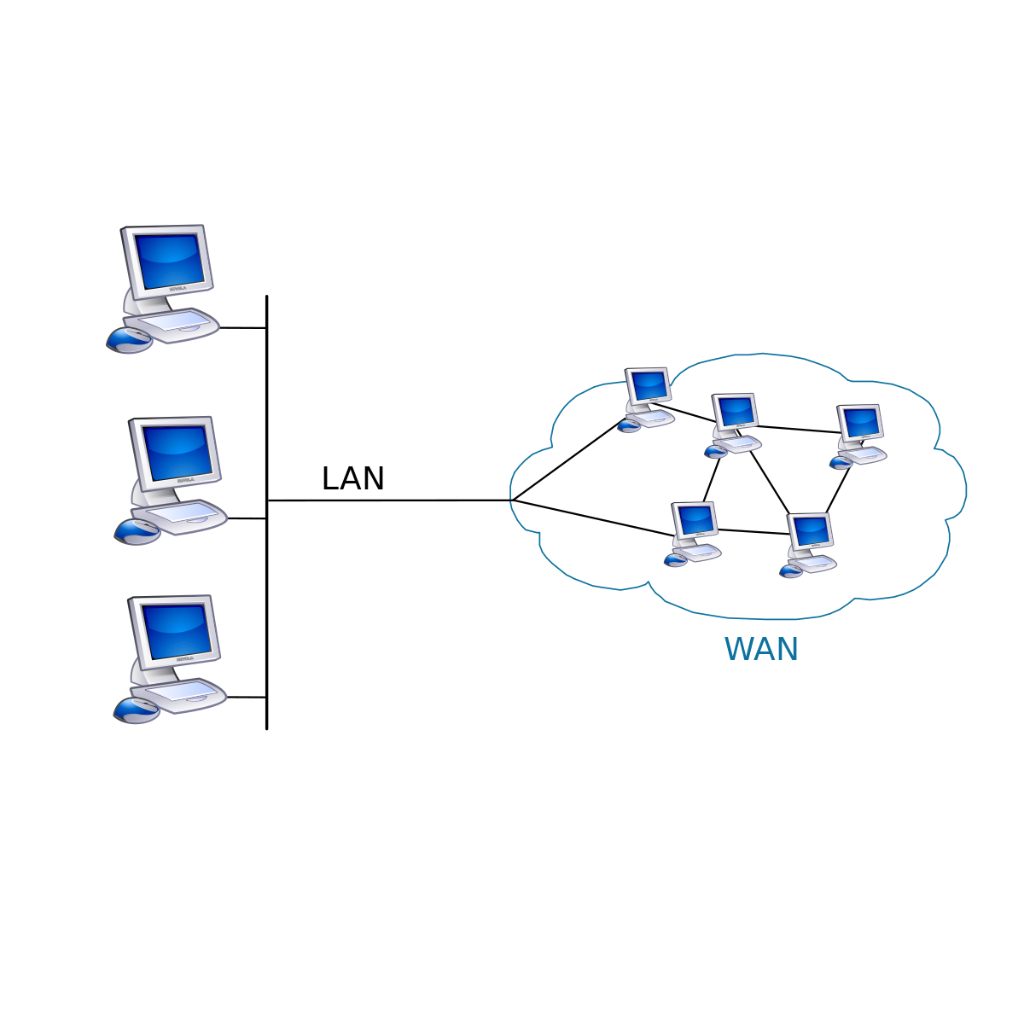
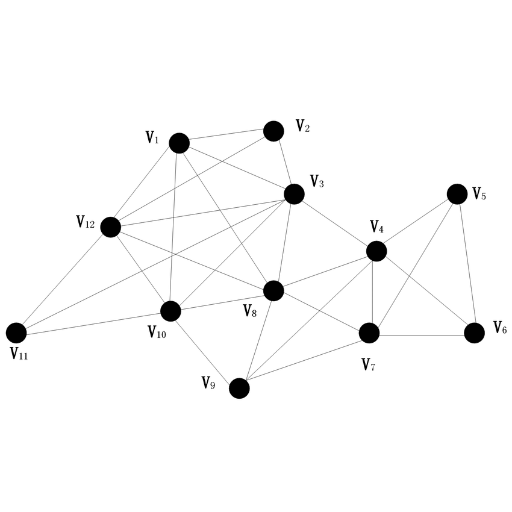
Node
In telecommunications networks, a node is either a redistribution point or a communication endpoint. The definition of a node depends on the network and protocol layer referred to.
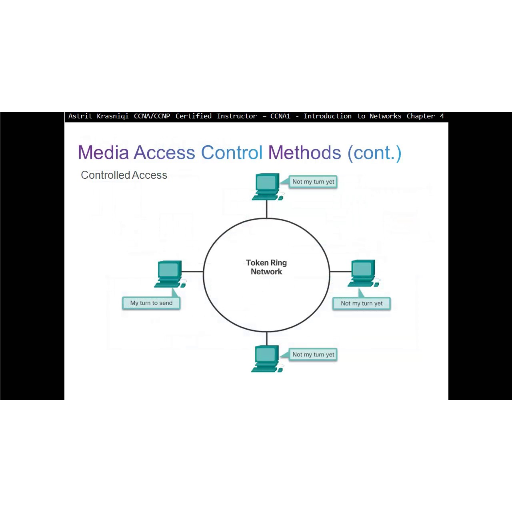
Media Access Control
the medium access control sublayer is the layer that controls the hardware responsible for interaction with the wired, optical or wireless transmission medium. The MAC sublayer and the logical link control sublayer together make up the data link layer.
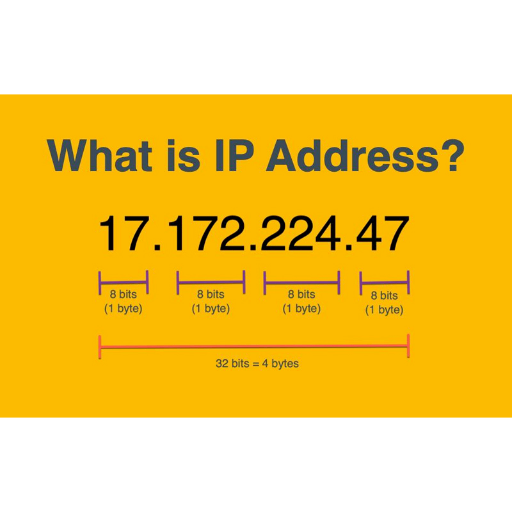
IP address
An Internet Protocol address is a numerical label such as 192.0.2.1 that is connected to a computer network that uses the Internet Protocol for communication. An IP address serves two main functions: network interface identification and location addressing.
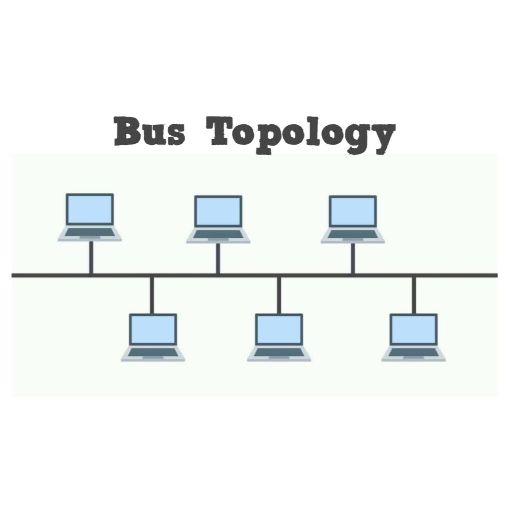
Bus Topology
A bus network is a network topology in which nodes are directly connected to a common half-duplex link called a bus. A host on a bus network is called a station. In a bus network, every station will receive all network traffic, and the traffic generated by each station has equal transmission priority.
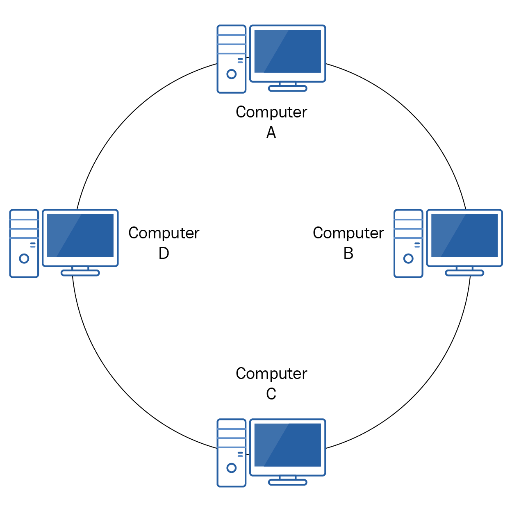
Ring Topology
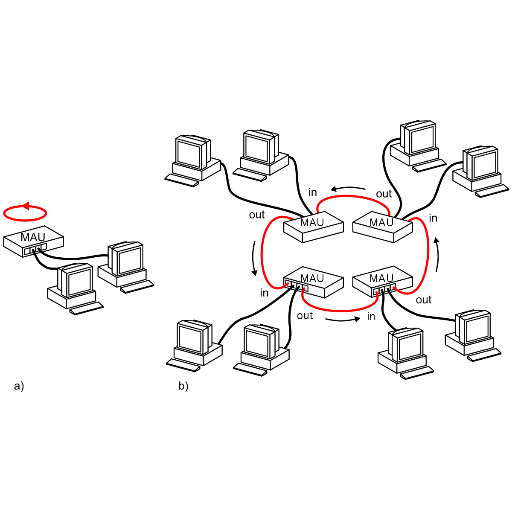
A ring network is a network topology in which each node connects to exactly two other nodes, forming a single continuous pathway for signals through each node – a ring. Data travels from node to node, with each node along the way handling every packet.
Network Token
A network token is 16-digit Primary Account Number (PAN) alternative, which is unique for each shopper-merchant pairing. Here are the benefits of making payments with network tokens: Reduced shopper friction and declines because network tokens are maintained and automatically updated by card networks.
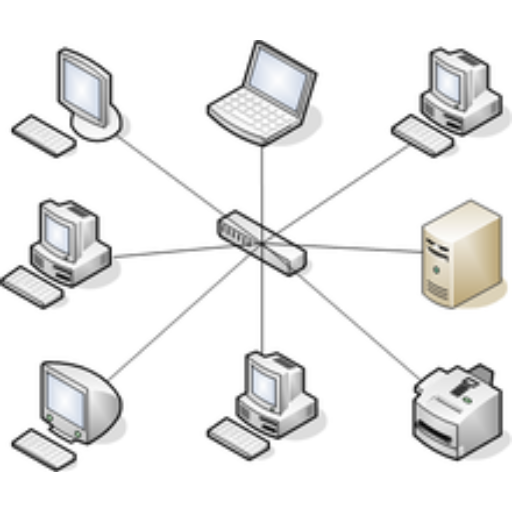
Star Topology
A star network is an implementation of a spoke–hub distribution paradigm in computer networks. In a star network, every host is connected to a central hub. In its simplest form, one central hub acts as a conduit to transmit messages. The star network is one of the most common computer network topologies.
Tree Topology
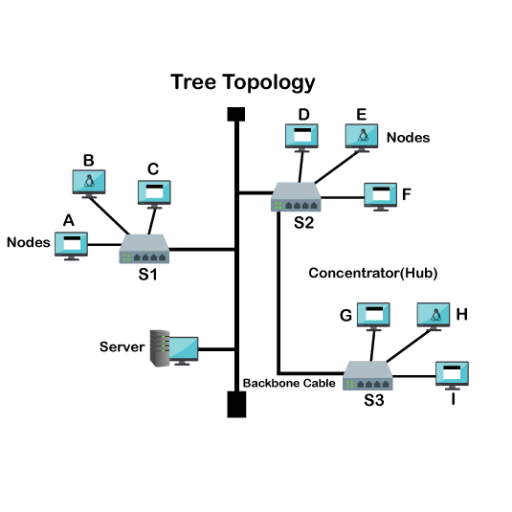
A tree topology, or star-bus topology, is a hybrid network topology in which star networks are interconnected via bus networks. Tree networks are hierarchical, and each node can have an arbitrary number of child nodes.
Protocol
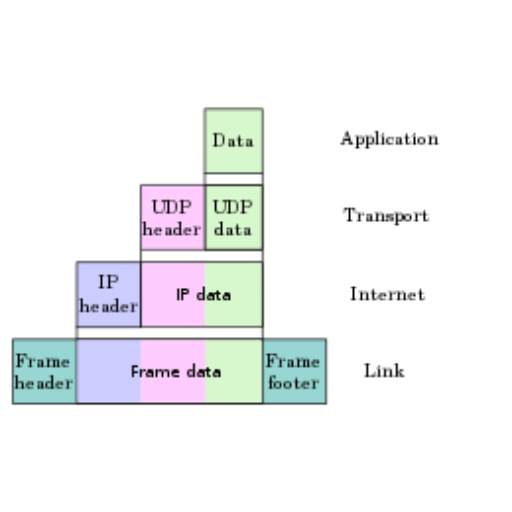
The Internet Protocol is the network layer communications protocol in the Internet protocol suite for relaying datagrams across network boundaries. Its routing function enables internetworking, and essentially establishes the Internet.
Peer-Peer Architecture
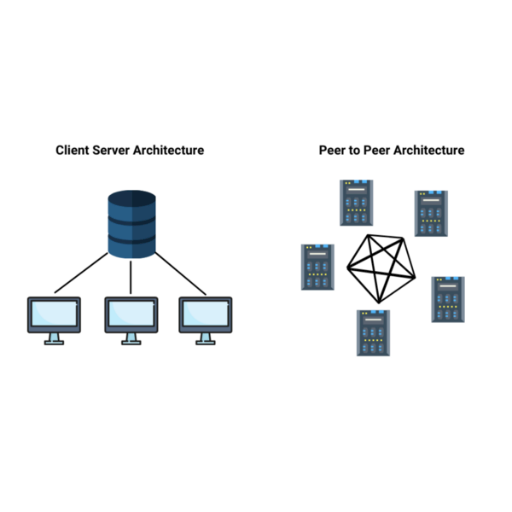
Peer-to-peer architecture (P2P architecture) is a commonly used computer networking architecture in which each workstation, or node, has the same capabilities and responsibilities. It is often compared and contrasted to the classic client/server architecture, in which some computers are dedicated to serving others.
Client/Server Architecture
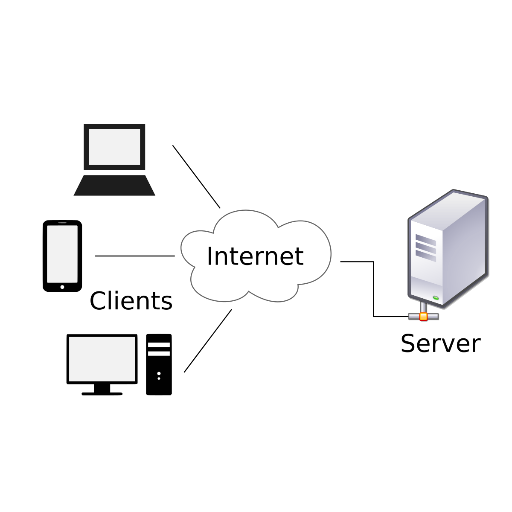
Client-server model is a distributed application structure that partitions tasks or workloads between the providers of a resource or service, called servers, and service requesters, called clients.
Hubs
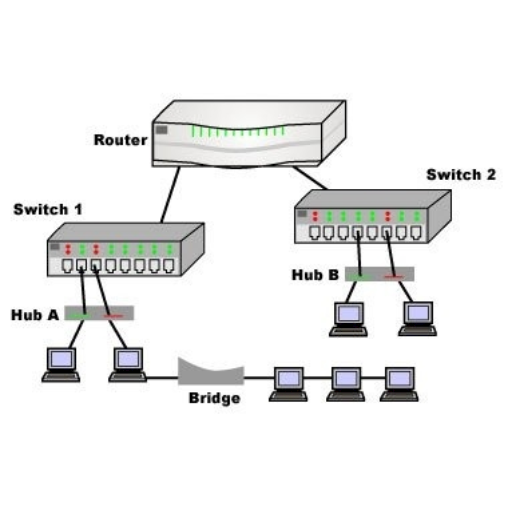
An Ethernet hub, active hub, network hub, repeater hub, multiport repeater, or simply hub is a network hardware device for connecting multiple Ethernet devices together and making them act as a single network segment.
- Full access to our public library
- Save favorite books
- Interact with authors
- < BEGINNING
- END >
-
DOWNLOAD
-
LIKE
-
COMMENT()
-
SHARE
-
SAVE
-
BUY THIS BOOK
(from $9.99+) -
BUY THIS BOOK
(from $9.99+) - DOWNLOAD
- LIKE
- COMMENT ()
- SHARE
- SAVE
- Report
-
BUY
-
LIKE
-
COMMENT()
-
SHARE
- Excessive Violence
- Harassment
- Offensive Pictures
- Spelling & Grammar Errors
- Unfinished
- Other Problem






COMMENTS
Click 'X' to report any negative comments. Thanks!