


1- Computer Network
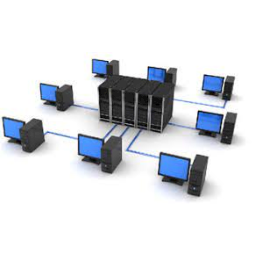
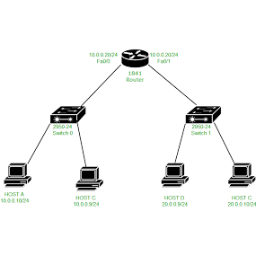
Interconnected computing equipment that may exchange data and share resources are referred to as computer networking.


2- Packet


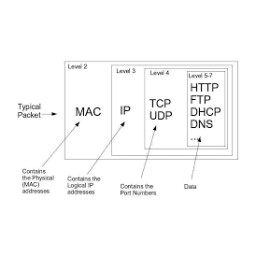
A packet is a small portion of a bigger communication in networking. Data is broken into packets and transferred across computer networks* such as the Internet.
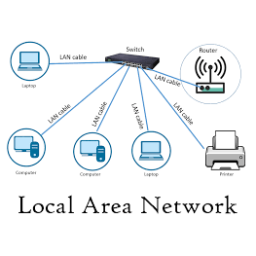
3- Local Area Network
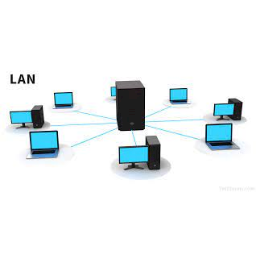
A computer network that connects equipment within a single building or a group of buildings.


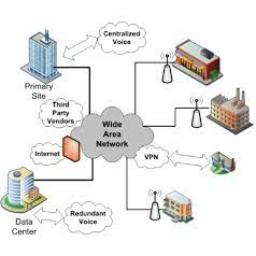
A computer network in which the computers connected are spread out across a large distance, usually half a mile or more.
4- Wide Area Network


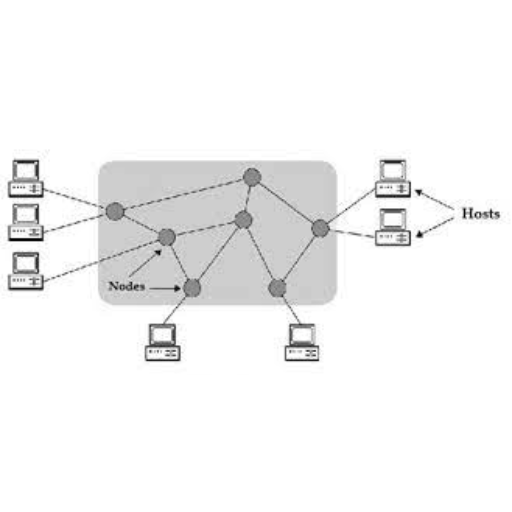
5- Node

Any device that is connected to the network is referred to as a node. While a computer is the most common type of node, it can also be a printer or a CD-ROM tower.
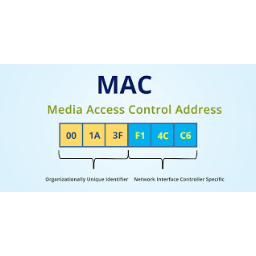
6- Media Access Control -
This is the physical address of any network device, such as a computer's network interface card (NIC). The MAC address is 6 bytes long and is made up of two equal pieces. The first three bytes specify the manufacturer of the NIC. The NIC's serial number is represented by the next three bytes.

7- IP Address
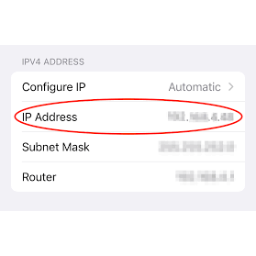
An IP Address is a numeric designation given to computers and other devices that connect to a network via the internet protocol.


8- Bus Topology
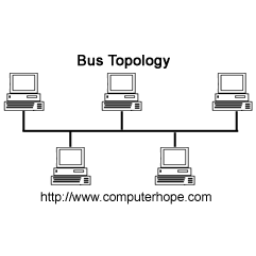
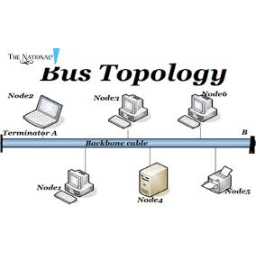
A bus topology, also known as a line topology, is a network topology in which all network devices are connected by a single RJ-45 network cable or coaxial cable. Like Christmas lights, each node is daisy-chained along the same backbone.


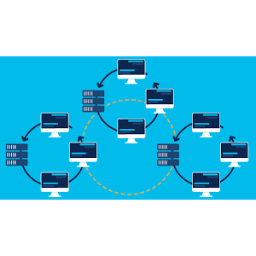
9- Ring Topology
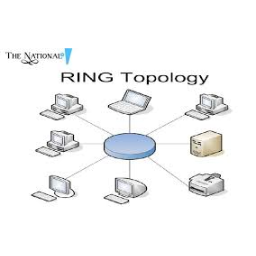
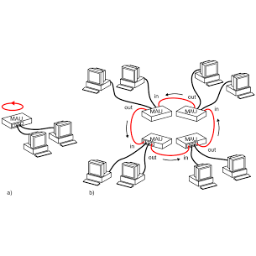
Rings have daisy-chained nodes, similar to a bus network. The distinction is that the network's end connects back to the initial node, completing the circuit. Ring topology is a type of network configuration in which devices are connected in a ring and pass data to or from one another based on their proximity in the ring structure.

10- Network Token
A token is a particular series of bits that moves around a token-ring network in networking. Computers connected to the network can grab the token as it circulates. The token works in the same way as a ticket, allowing its owner to transmit a message across the network.

11- Star Topology
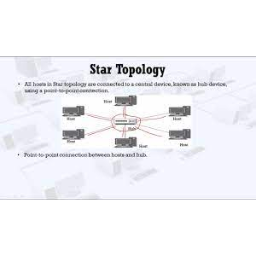
A network topology in which each network component is physically connected to a central node, such as a router, hub, or switch, is known as a star topology.

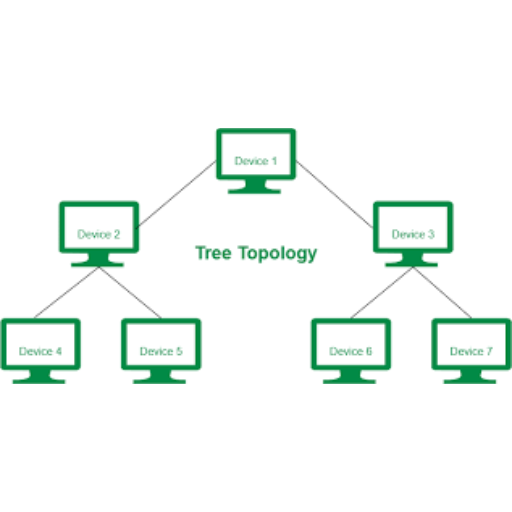
12- Tree Topology
A tree topology is a form of structure in which several interconnected pieces are grouped in the shape of a tree's branches.

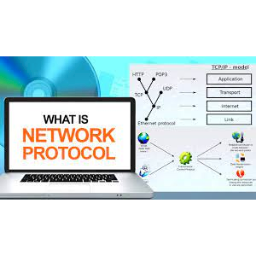
13- Protocol
The formal procedure or set of norms that governs state or diplomatic activities.

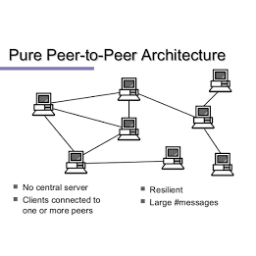
14- Peer-Peer Architecture
Peer-to-peer networking, or P2P for short, is a sort of network in which each workstation has the same powers and obligations.

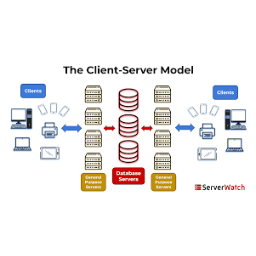
15- Client/Server Architecture
Each computer or process on the network is either a client or a server in a client-server architecture (client/server).


- Full access to our public library
- Save favorite books
- Interact with authors

- < BEGINNING
- END >
-
DOWNLOAD
-
LIKE
-
COMMENT()
-
SHARE
-
SAVE
-
BUY THIS BOOK
(from $4.99+) -
BUY THIS BOOK
(from $4.99+) - DOWNLOAD
- LIKE
- COMMENT ()
- SHARE
- SAVE
- Report
-
BUY
-
LIKE
-
COMMENT()
-
SHARE
- Excessive Violence
- Harassment
- Offensive Pictures
- Spelling & Grammar Errors
- Unfinished
- Other Problem

COMMENTS
Click 'X' to report any negative comments. Thanks!