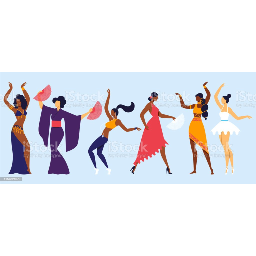
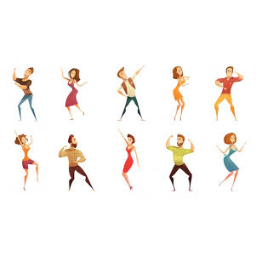
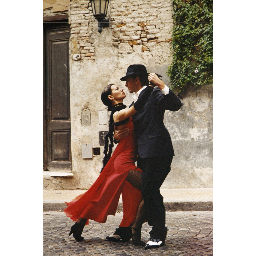
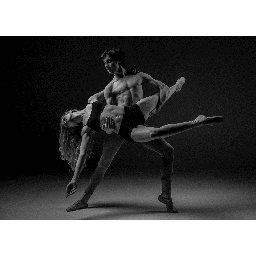
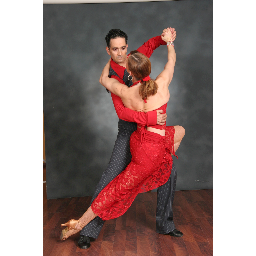
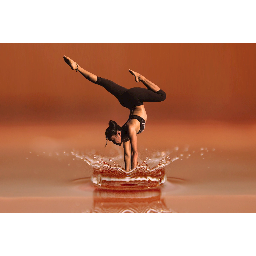
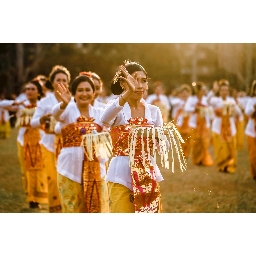
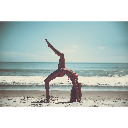

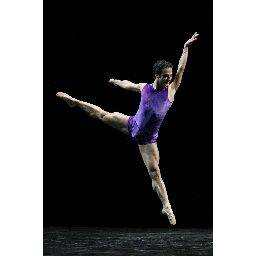
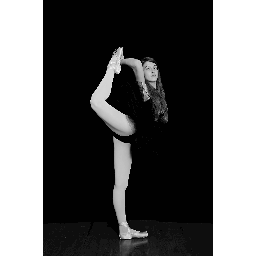
This book is dedicated to my dance class and Coach K. In this book I will talk about the six elements of dance, Body, Time, Space, Energy, Action and Relationship. I will talk about how important these elements are and how they help communicate the dancers message to the Audience.

Body
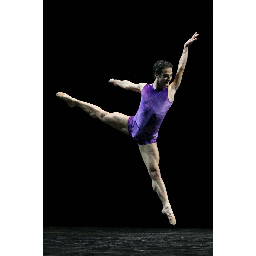
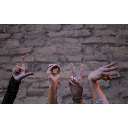
Body: Dancer materials are their hands, arms, legs, feet, head and torsos.
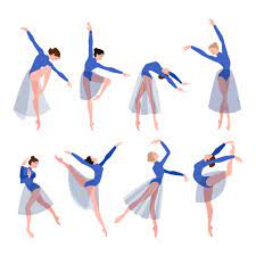
The body is one of the important body elements. Body is a important element when dancing because the body is an art form of and by the human body. Dancers isolate specific body parts or manipulate their entire body to create lines, shapes, or forms and send the message or vibe that they're trying to communicate with the audience.


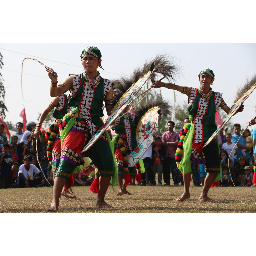
Energy is a very important element of dance because it gives the audience the story and vibe the dancers are trying to tell. The energy let's the audience know if the dancers are moving forcefully or gracefully. Energy also helps identify emotion and intention attached to a dancer's action.


Action.
Action is Any movement of the body while dancing. There are two different categories of action, Non Locomotor and Locomotor movements.


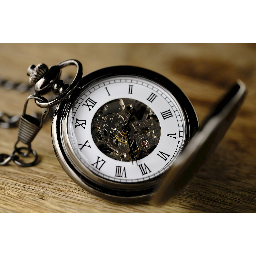
Time is the fourth dance element.
Timing is a very important part of dance.
Every action that is performed through space has a beginning and end. Like music, dance can have structure, rhythm, and pulse. It can also be free flowing and unpredictable. Dance, like word sentences and number sentences, has a sequence of steps that can be repeated or the sequence can be continuous with change. Movements are timed.


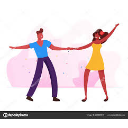
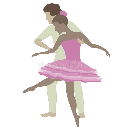
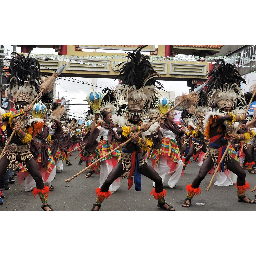
Relationship is the last dance element. Relationship is important because it is important to have a relationship with your classmates, partners and the theme of the dance so you can understand what you are trying to show the audience.
Relationship


What are a dancers materials and What can a dancer create with their bodies and can dancers create these things with other dancers?

A dancers materials are their body parts such as hands, feet, legs, torso etc. Which they can use to make different shapes, lines and movements.


Locomotor and Nonlocomotor
Nonlocomotor movements are when you aren't traveling within your space such as facial expressions and hand movements. hand gestures, facial expressions, pauses and rests are non locomoter.
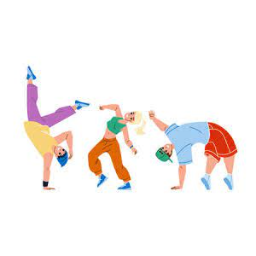
Locomotor movements are when you are moving within your space for example walking, running, jumping, hopping, crawling, marching, climbing, galloping, sliding, leaping, hopping, and skipping.


- Full access to our public library
- Save favorite books
- Interact with authors

- < BEGINNING
- END >
-
DOWNLOAD
-
LIKE
-
COMMENT()
-
SHARE
-
SAVE
-
BUY THIS BOOK
(from $2.99+) -
BUY THIS BOOK
(from $2.99+) - DOWNLOAD
- LIKE
- COMMENT ()
- SHARE
- SAVE
- Report
-
BUY
-
LIKE
-
COMMENT()
-
SHARE
- Excessive Violence
- Harassment
- Offensive Pictures
- Spelling & Grammar Errors
- Unfinished
- Other Problem
"The Elements of dance."

COMMENTS