
Vitiman A is for
It functions in the body to help form and maintain healthy teeth, skeletal and soft tissue, mucus membranes, and skin. Among its many functions, vitamin A is responsible for vision, growth, cell division, reproduction, and immunity. Insufficient Vitamin A can lead to blindness and vision loss. A large amount can also cause complications with your skin, heart, lungs, tissues, and immune system. Serious headaches, blurred vision, nausea, dizziness, muscle aches, and coordination problems can affect you as well.
RDA: The Recommended Dietary Allowance for adults 19 years and older is 900 mcg RAE for men (equivalent to 3,000 IU) and 700 mcg RAE for women (equivalent to 2,333 IU)

Beta carotene is for C Carotene
In the body, beta-carotene functions as converting into vitamin A (retinol). In addition to acting as an antioxidant to help reduce the dangers of free radicals that attack the body's cells, it performs its functions once it is eaten and converted into vitamin A. although when you have a deficiency in beta-carotene it can create early indicators for cardiovascular diseases and cancer high doses over a long time can lead to yellow/orange skin. As well, with too many doses of Beta carotene it can put you at risk of cancer. The RDA is 6 to 15 milligrams (mg) of beta-carotene (the equivalent of 10,000 to 25,000 Units of vitamin A activity) per day.

Niacin is for
Niacin is a B vitamin that's made and used by your body to turn food into energy.Niacin performs its function in the nervous system by carbohydrates being converted into glucose, fats and proteins being metabolized. WHen you have a deficiency in Niacin you get pellagra, a deficiency of iacin (vitamin B3) results in a condition that involves. While if you take to much niacin it can cause diarrhea, easy bruising, and can increase bleeding from wounds. The RDA is 16 mg NE for men, 14 mg NE for women, 18 mg NE for pregnant women


Vitamin B6 is for
Vitamin B functions in the body for normal brain development and for keeping the nervous system and immune system healthy. It performs its functions from being involved in gluconeogenesis and glycogenolysis, which are immune functions. There can be many symptoms associated with a Vitamin B deficiency, such as rashes on the skin, cracked lip corners, mood changes, impaired immune function, fatigue, nerve pain, and elevated levels of homocysteine. While taking too much vitamin B-6 from supplements can cause lack of muscle control or coordination of voluntary movements. The RDA is 1.5 milligrams for women and 1.7 milligrams for men.
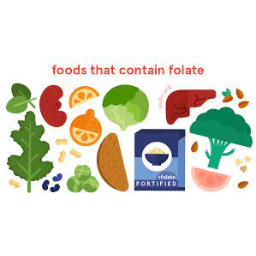
Folate is for
Folate functions to help form DNA and RNA and it performs its function by being involved in protein metabolism. If you don't have enough folate it can cause a lack of red blood cells, which can lead to anemia. While if you have excess folic acid is excreted in urine. Men and women ages 19 years and older should aim for 400 mcg DFE.
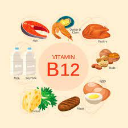
Vitamin B12 is for
Vitamin B12 functions to form red blood cells and DNA, It also performs its function by working with the development of brain and nerve cells. If you have a Vitamin B12 deficiency you might see yourself having constipation, diarrhea, loss of appetite, or gas. Having too much can lead to nausea or vomiting. The recommended daily amount of vitamin B-12 for adults is 2.4 micrograms.
Biotin is for
Biotin functions in Your body to metabolize carbohydrates, fats, and amino acids, the building blocks of protein. As a cofactor in various carboxylases, biotin plays a role in cellular energy homeostasis. The signs and symptoms of biotin deficiency typically appear gradually and can include thinning hair with progression to loss of all hair on the body or red rash around eyes, nose, and mouth. While too much can cause difficulty sleeping or being very thirsty. The RDA for adults is 30 to 100 micrograms (mcg) per day.

Vitimin C is for
Vitamin C functions as an antioxidant, it performs its function by helping protect your cells against the molecules produced when your body breaks down food. When you have a deficiency here it can cause fatigue, inflammation of the gums, small red or purple spots on the skin, joint pain while having too much can lead to diarrhea or vomiting. The RDA for adults 19 years and older is 90 mg daily for men and 75 mg for women.

- Full access to our public library
- Save favorite books
- Interact with authors
- < BEGINNING
- END >
-
DOWNLOAD
-
LIKE
-
COMMENT()
-
SHARE
-
SAVE
-
BUY THIS BOOK
(from $2.99+) -
BUY THIS BOOK
(from $2.99+) - DOWNLOAD
- LIKE
- COMMENT ()
- SHARE
- SAVE
- Report
-
BUY
-
LIKE
-
COMMENT()
-
SHARE
- Excessive Violence
- Harassment
- Offensive Pictures
- Spelling & Grammar Errors
- Unfinished
- Other Problem






COMMENTS
Click 'X' to report any negative comments. Thanks!