
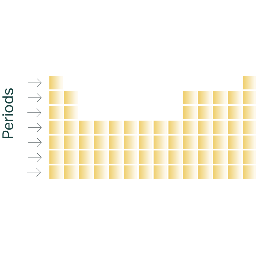
Periods
When we organize elements horizontally, we do it through periods. There are 7 periods on the periodic table, with period 1 at the top and period 7 at the bottom. Each element in a period has the same number of energy shells (rings of electrons).
Groups
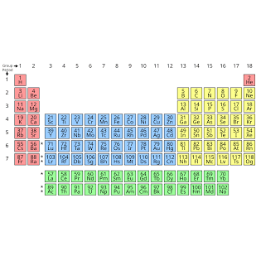
Groups are used to organize elements vertically. There are 18 groups in the periodic table, some with their own distinct names (which we'll get to later). The groups go in order from left to right. Each element in a group has the same number of valence electrons.
The Importance of Protons
Protons are subatomic particles that determine the identity of an element. If you add or take away a proton, the element will change. Elements are organized in the periodic table by the amount of protons they have.
O
The first element, Hydrogen, has one proton. As we go from left to right, the number of protons increase, until we get to the next period, but the process repeats.
Elemental Properties
Elements are classified into three groups based on their properties. These three groups are Metals, Non-Metals, and Metalloids. Metals make up most of the periodic table, and are known for being lustrous, malleable, ductile, and good conductors. Non-Metals are mostly located on the right side of the periodic table. Being opposites of metals, they are dull, not malleable or ductile, and good insulators. Metalloids bridge a
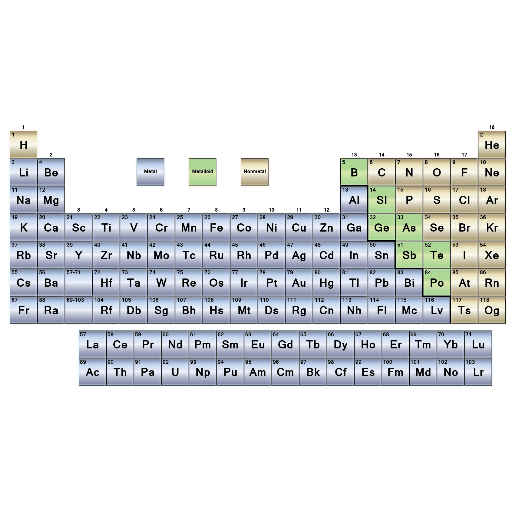
gap between the Metals and Non-Metals, while sharing properties of both.
Valence Electrons
Valence electrons are the electrons on the outermost energy shell of an element. They are very important for placing elements into families on the periodic table. For example, Oxygen and Sulfur are in the same family because they both have 6 valence electrons. They also help with chemical bonding and reactivity. Every element wants to have 8 valence electrons, and are willing to bond together to do so. That means elements with 1 or 7 valence electrons are very reactive because they are so close to 8, but elements with 4 valence electrons are not very reactive because they are far away from 8.
Families in the Periodic Table
Alkali Metals Nitrogen Family
Alkaline Earth Metals Oxygen Family
Transition Metals Halogens
Boron Family Noble Gases
Carbon Family
Alkali Metals
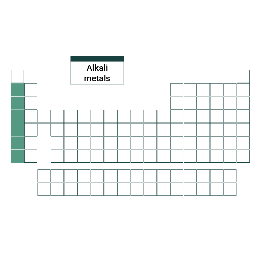
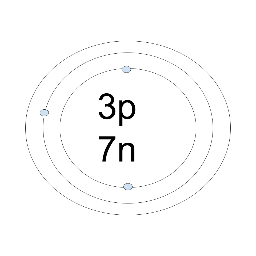
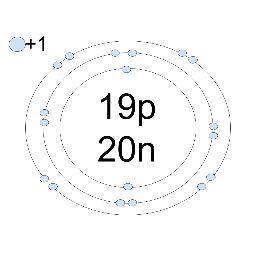
The Alkali Metals are a group of soft metals on the left side of the periodic table, they include elements like Lithium, Sodium, and Potassium. The Alkali Metals are
very good conductors,
lustrous, ductile,
malleable, and highly
reactive, as they only
have one valence electron.
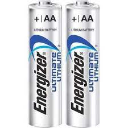
Lithium is used for batteries
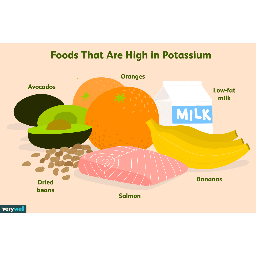
Potassium is a vital nutrient to help us function
Alkaline Earth Metals
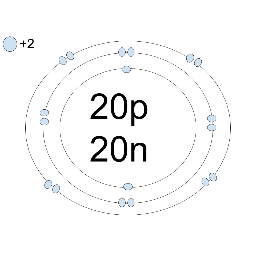
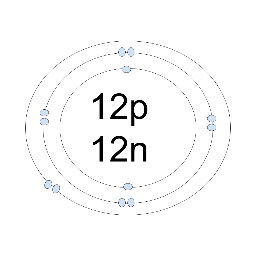
The Alkaline Earth Metals are a group of metals located to the right of the Alkali Metals. They include Beryllium, Magnesium, and Calcium. The Alkaline Earth Metals
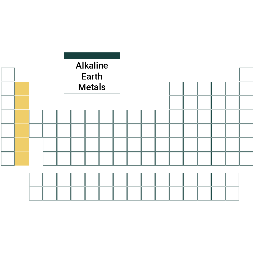
share similar properties to the Alkali Metals (such as conductivity and lustre), but are less reactive, because they have 2 valence electrons.
Calcium phosphate is used in fertilizers
Magnesium helps manage your blood sugar


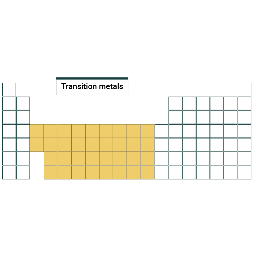
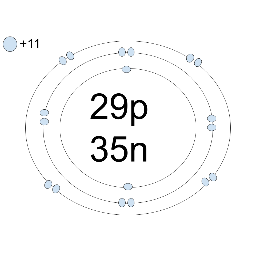
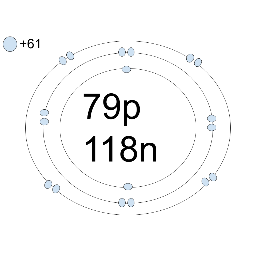
The Transition Metals are located in the middle of the periodic table and include elements like Iron, Gold, Copper, and Nickel. These metals also have similar properties to the other families of metals (think conductivity, luster, malleability, etc.) but with two key differences. The first is that some are not reactive, because these metals don't have a stable electron configuration, the second is that unlike the other metals, these are dense, hard and tough.
Transition Metals
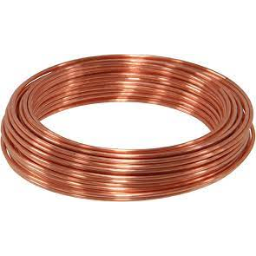
Copper is used for wires that transports electricity
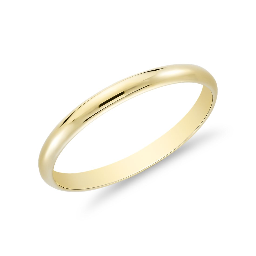
Gold is used for jewelry

Boron Family
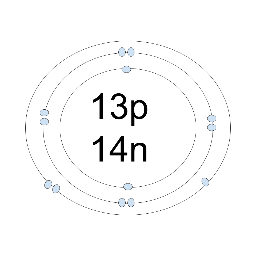
The Boron family consists of metalloids and metals located on the right side of the periodic table. It includes elements like Aluminium, Indium, and of course, Boron. Most of the elements in this family are metals and share the properties
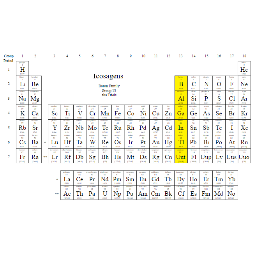
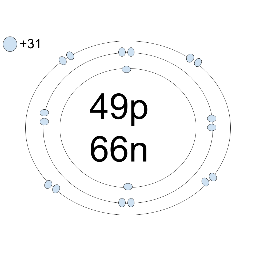
of the other metals, but Boron is a metalloid, and it has properties of metals AND non-metals, so it is a semi-conductor, semi-malleable, partly ductile, and semi- lustrous. This family is also slightly reactive, having 3 valance electrons..
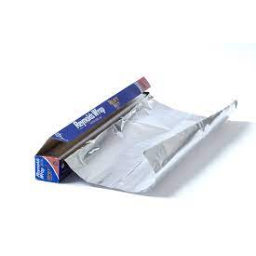
Aluminum foil is used to wrap up food to keep it warm
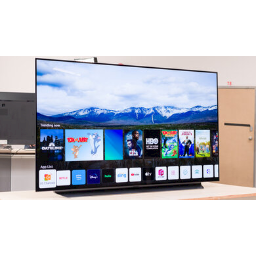
Indium is a component in flat screen TVs
- Full access to our public library
- Save favorite books
- Interact with authors
- < BEGINNING
- END >
-
DOWNLOAD
-
LIKE
-
COMMENT()
-
SHARE
-
SAVE
-
BUY THIS BOOK
(from $4.79+) -
BUY THIS BOOK
(from $4.79+) - DOWNLOAD
- LIKE
- COMMENT ()
- SHARE
- SAVE
- Report
-
BUY
-
LIKE
-
COMMENT()
-
SHARE
- Excessive Violence
- Harassment
- Offensive Pictures
- Spelling & Grammar Errors
- Unfinished
- Other Problem






COMMENTS
Click 'X' to report any negative comments. Thanks!