


For all the Top G's and legendary leaders out there in the world.

Families and Periods
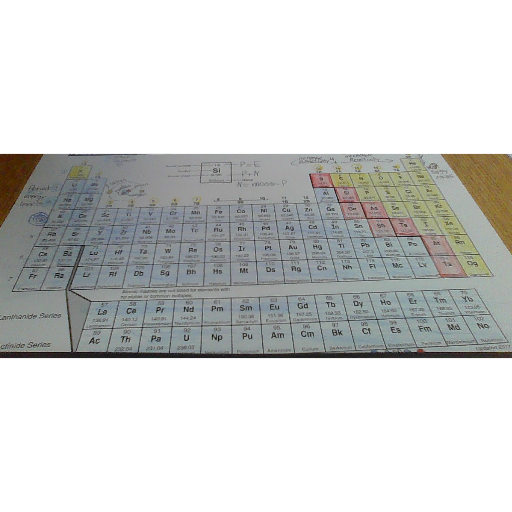
Families: The vertical columns on the periodic table are called families or groups because they chemically react similarly. They both share similar physical and chemical features. They share the same amount of valence electrons.
Periods: The horizontal rows on the periodic table that have an equal number of energy shells/levels. Identifying the period can be used to find the amount of energy shells an element has.
Protons
Protons are subatomic particle that helps bind the nucleus together.
Located in the nucleus and determines the atomic number.
Elemental Properties
Metals: Consist of the most on the periodic table. They're made up of alkali metals, alkaline earth metals, transition metals, lanthanides, and actinides. Metals are good conductors of heat and electricity, and are malleable (they can be hammered into sheets) and ductile (they can be drawn into wire). These vary from Families 1-16.

Metalloids: They consist of properties of both metals and nonmetals. On the periodic table, they can be on a stairway diagonal on the right side of the periodic. They can be dull or shiny and can conduct heat and electricity, just not as good as metals.
Nonmetals: They have properties opposite of metals. They are brittle, not malieble, not ductile, poor conductors of heat and electricity. All elements of non metals except for hydrogen are located on the right side of the periodic table.
These electrons are located on the outermost shell of the atom. They determine the reactivity of an element, for example the closer an electron is to 1 or 7 electrons it will become more reactive. Each family is sorted by the amount of valence electrons an they have.
Valence Electrons
Family Names
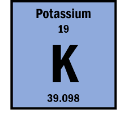
Family names include: Alkali Metals, Alkaline Earth Metals, Transition Metals, Boron Family, Carbon Family, Nitrogen Family, Oxygen Family, Halogens, and Noble Gases.
Alkali Metals:
- Shiny, Soft, Silvery
- Have low density because of their large atomic size
- Highly reactive at standard temperature and pressures


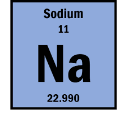
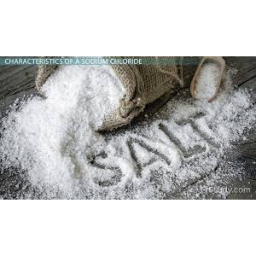
Sodium is used to make salt and flavor many foods that humans eat.
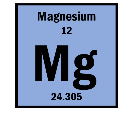
Alkaline Earth Metals:
- Shiny, Silvery, Soft
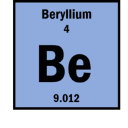
- Somewhat reactive metals at standard temperatures and pressure.


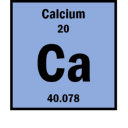
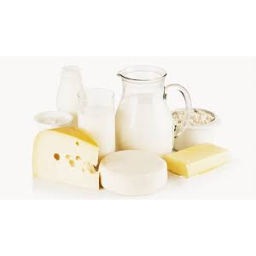
Calcium is a huge supplier of dairy which we consume through items like milk, cheese, and other dairy products.
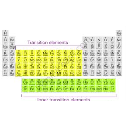
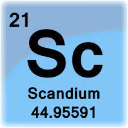
Transition Metals:
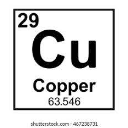
- They are good conducters of heat an electricity
- They can be bent or hammered into shape easily.
- Usually hard and tough.


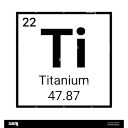
We use titanium to make things that need a strong structural material, but not be maliable which allows us to make things like planes and vehicles.
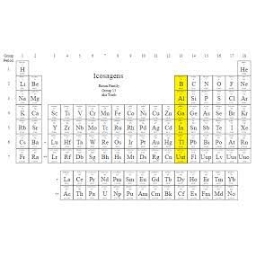
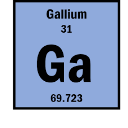
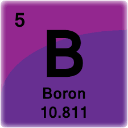
Boron Family:
- Usually soft
- Have three valence electrons
- Good conductors of electricity
- High density


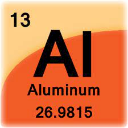
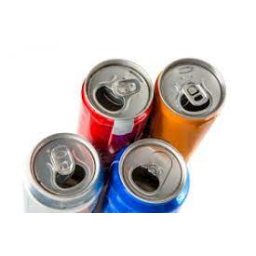
Aluminum is a good easy to bend and shape, its a material that we use for little things that don't need as strong as a structure like soda cans.
- Full access to our public library
- Save favorite books
- Interact with authors

- < BEGINNING
- END >
-
DOWNLOAD
-
LIKE
-
COMMENT()
-
SHARE
-
SAVE
-
BUY THIS BOOK
(from $3.39+) -
BUY THIS BOOK
(from $3.39+) - DOWNLOAD
- LIKE
- COMMENT ()
- SHARE
- SAVE
- Report
-
BUY
-
LIKE
-
COMMENT()
-
SHARE
- Excessive Violence
- Harassment
- Offensive Pictures
- Spelling & Grammar Errors
- Unfinished
- Other Problem

COMMENTS
Click 'X' to report any negative comments. Thanks!