

What is a periodic table?
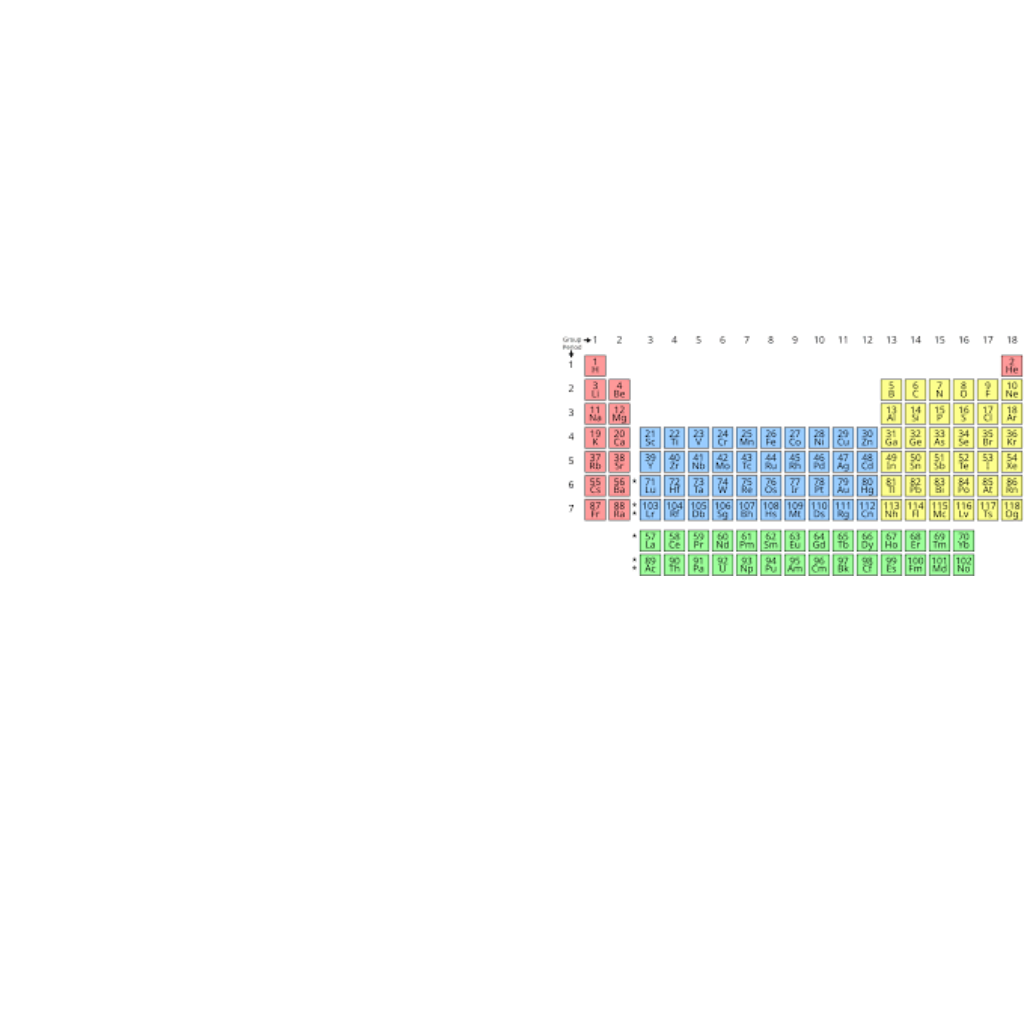
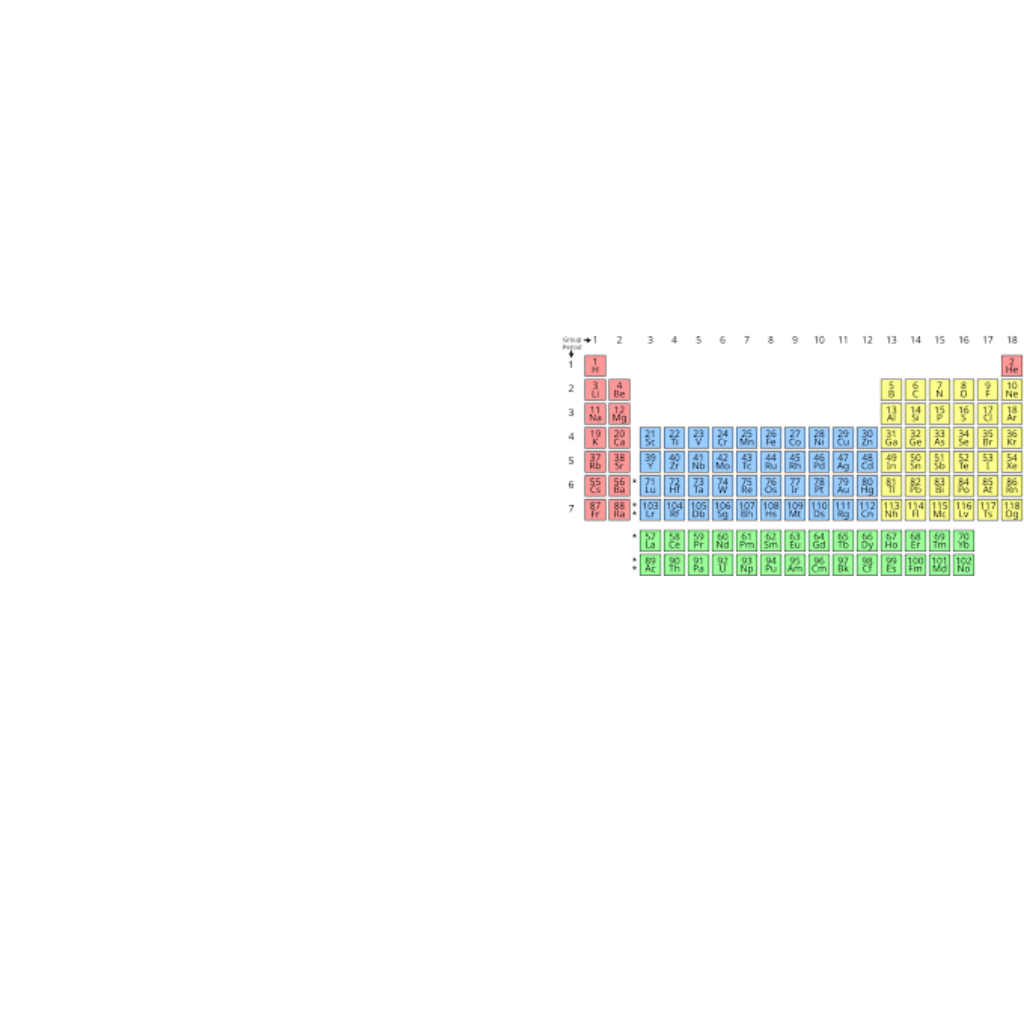
A periodic table is a table of all the chemical elements.
What is the purpose of the periodic table?
The periodic table helps us quickly refer to information about an element, like atomic mass and chemical symbol
How many elements are on the periodic table?
There are 118 elements on the periodic table

Families and Periods
Families are groups of elements with similar properties. There are eighteen on the periodic table. Elements in the same family have the same number of valence electrons and similar chemical properties. They also have similar reactivity.
Periods are the horizontal rows on the periodic table. There are seven periods on the periodic table. Elements in the same period have the same amount of energy shells. Elements in the same period do not have similar properties.

Families
Periods
What is a proton?
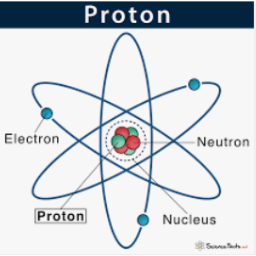
Protons determine the name of the element and are also the atomic number. They dictate where the element is placed on the periodic table because it determines the atomic number and element which will decide its placement.

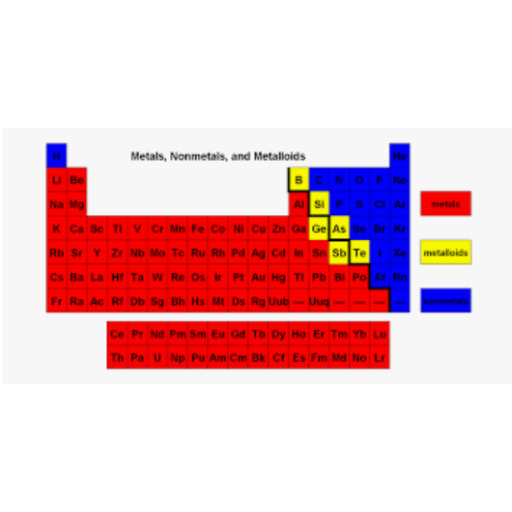
Elemental properties of metals, non-metals, and metalloids:
Metals are usually malleable and shiny. They are good conductors of electricity and are on the periodic table's right side. Non-metals are usually dull and brittle. They are insulators and do not conduct electricity well. Non-metals are found on the left side of the periodic table. Metalloids (Semi-metals) have characteristics of both metals and non-metals. Metalloids are typically semiconductors, which means that they both insulate and conduct electricity. They start at Boron and create a stairway down the table.

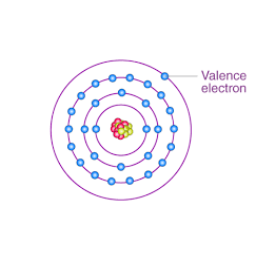
What are valence electrons?
Valence electrons are the electrons on the outermost shell of an atom that is responsible for the chemical properties of the atom. The elements all want to become stable and in order to do that they will try to make bonds with other elements that have the number of valence electrons that will help them become stable.

Families of the periodic table
Periodic table groups and families:
Alkali Metals
Alkaline Earth Metals
Transition Metals
Boron Family
Carbon Family
Nitrogen Family
Oxygen Family
Halogens
Noble Gases
Alkali metals:
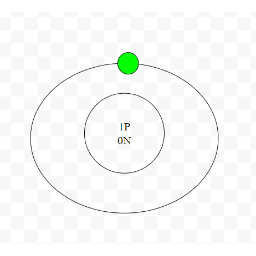
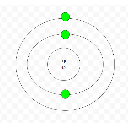
Alkali metals are group one on the periodic table. They have high thermal and electrical conductivity, luster, ductility, and malleability which are characteristics of metals. They are HIGHLY reactive because they have one valence electron and they want to lose it to become stable. A few elements in this group are Hydrogen, Lithium, and Sodium. Some real-life examples of Alkali metals are table salt which comes from sodium and lithium is in rechargeable batteries for mobile phones and laptops.


(I made my Bohr models on google drawings)
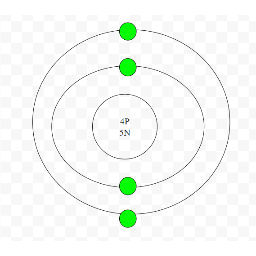
Hydrogen Lithium

Alkaline Earth Metals:
Alkaline Earth Metals are group two on the periodic table. They are metallic and are good conductors of electricity. They are also very reactive since they only need to lose two valence electrons to become stable. Some elements in this group are Beryllium, Magnesium, and Calcium. Some real-life examples are that magnesium is used in a variety of metals and alloys strontium is used in television tubes.


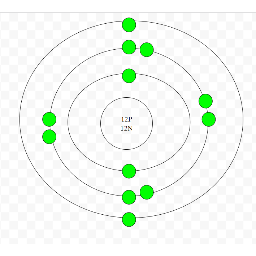
Beryllium Magnesium

- Full access to our public library
- Save favorite books
- Interact with authors

- < BEGINNING
- END >
-
DOWNLOAD
-
LIKE
-
COMMENT()
-
SHARE
-
SAVE
-
BUY THIS BOOK
(from $3.19+) -
BUY THIS BOOK
(from $3.19+) - DOWNLOAD
- LIKE
- COMMENT ()
- SHARE
- SAVE
- Report
-
BUY
-
LIKE
-
COMMENT()
-
SHARE
- Excessive Violence
- Harassment
- Offensive Pictures
- Spelling & Grammar Errors
- Unfinished
- Other Problem

COMMENTS
Click 'X' to report any negative comments. Thanks!