
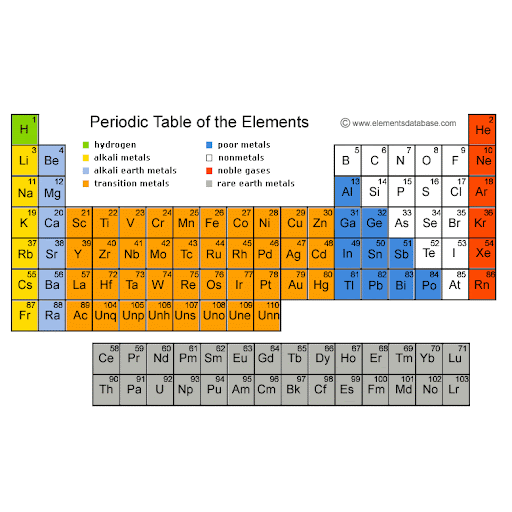
Periods are the horizontal rows on the periodic table. You can remember this by knowing that when you write a sentence it is left to right and you end it with a period. Each period has the same number of outer shells. For example, period #4 would have 4 electron shells in it.
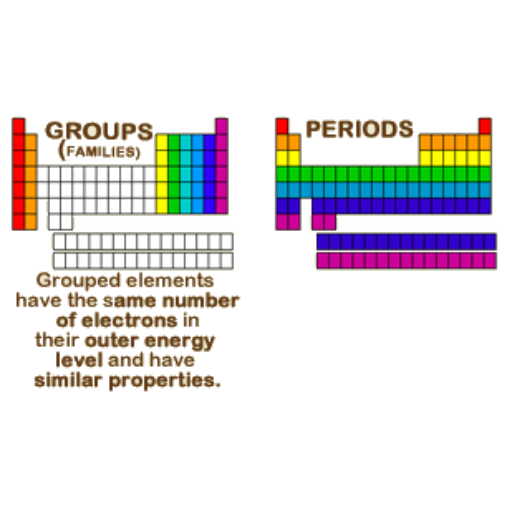
Periods in the Periodic Table:
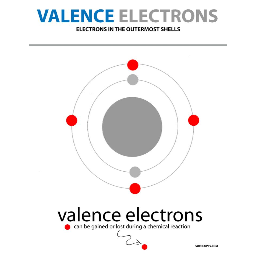
Families are the vertical groups on the periodic table. Each family has the same number of valence electrons. For example, an element in group 5 has 5 valence electrons. An element in group 15 has 5 valence electrons , not 15.
Families in the Periodic Table:
Role of Protons
Protons are what make the substance what it is, and determine where the element is placed in the periodic table. For example, if an unknown element has 8 protons, we can identify it as oxygen. Oxygen has 8 protons and has 8 as the atomic number. The atomic number is always the number of protons. We can then place it where the 8th element should be, the periodic table is in order of the atomic numbers. (1, 2 , 3, etc). The 8th element is in family 16 and period 2.
Elemental Properties:
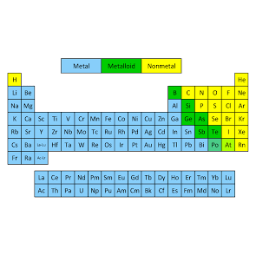
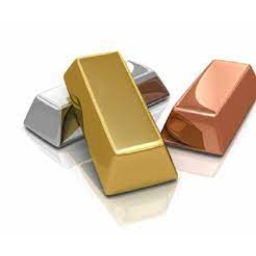
Metals are on the right side of the periodic table. These are good conductors of heat and electricity, malleable, ductile, and lustrous. Examples of metals include gold, silver, and copper. Metalloids start from the element Boron and then go down the left in a zig-zag path. Metalloids have both the properties of a metal, and a non-metal. They also can be semi-conductive of electricity. They can have a metallic appearance, but they act mostly like non-metals chemically. Examples include boron and arsenic. Nonmetals are to the left of the periodic table. They can be gas, liquid or solid. Non-metals aren't lustrous and don't conduct heat or electricity well. Examples of non-metals include neon, and argon.
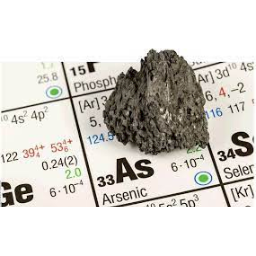
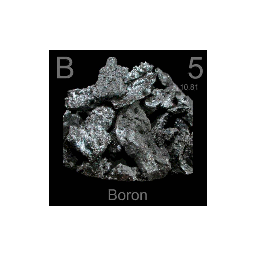

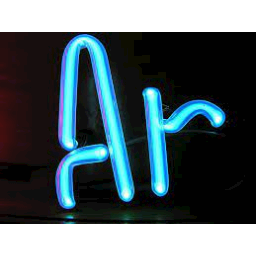
The role of valence electrons is to determine the reactivity of an atom. If the outer shell of an atom is full (2 electrons for the first shell, 8 electrons for the second shell, and up to 18 for the 3rd shell) that means that the element is not reactive. On the other hand, if the outer shell is not full, then the element is reactive. This is because there is still room in the electron shell for more electrons. On the periodic table, it goes from most reactive to least reactive for metals (left to right) and least reactive to most reactive (excluding the 18th family) for the non-metals and metalloids. The 18th family is nonreactive because their outer shells are full. For example, Hydrogen is a reactive element because its outer shell is not full while Neon is non reactive because its outer shell is full.
Valance Electrons: Role & Reactivity
-Alkali Metals
-Alkaline Earth Metals
-Transition Metals
-Boron Family
-Carbon Family
-Nitrogen Family
-Oxygen Family
-Halogens
-Noble Gases
Family Names:
Family Descriptions:
Alkali Metals:
1. Sodium-When chemically bonded with chlorine, it forms table salt
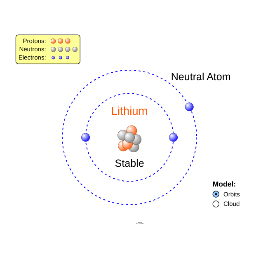
2. Lithium
3. Potassium-A electrolyte that is found in many foods that is important to the human body.
1. shiny
2. soft
3. Ductile
4. Malleable
5. High reactivity
6. High thermal conductivity
7. All have one valance electron
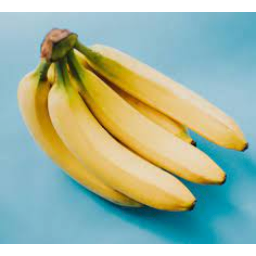
There is potassium in bananas
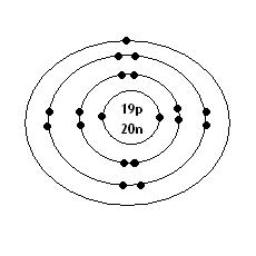
Potassium
Alkaline Earth Metals
1. Calcium-A mineral that we use in our everyday lives. Found in foods like milk and yogurt.
2. Beryllium
3. Magnesium-Helps out the body to function
8. All have 2 valance electrons

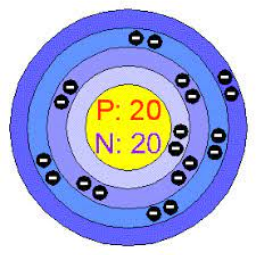
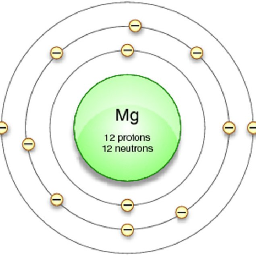
Calcium
Transition Metals (Metaloid)
1. Iron-Important for blood production
2. Titanium-A metal used to create applications
3. Zinc
1. Malleable
2. Ductile
3. Lustrous
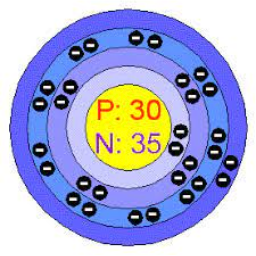
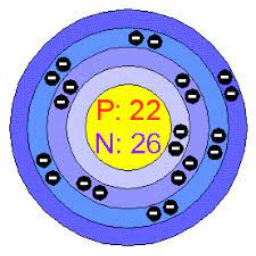
Titanium
Iron

Boron Family:
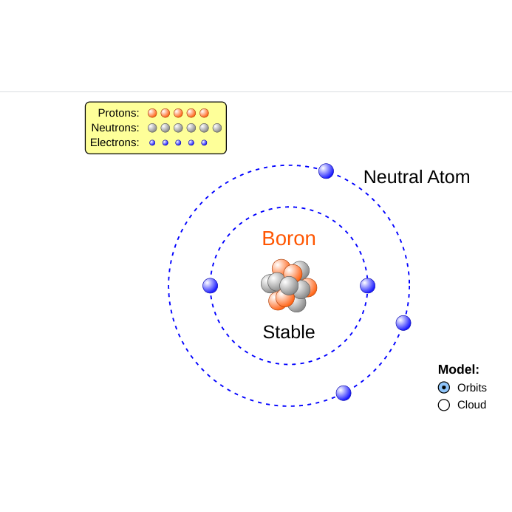
1. Boron-Good for the human body to build strong bones
2. Aluminum-Used in a variety of everyday products
3. Gallium
1. Most of the group is post-transition metals
2. Has reactivity
3. Has 3 valance electrons
4. All except 1 has shine and moderate boiling points
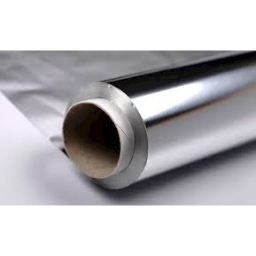
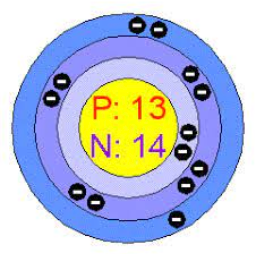
Aluminum
- Full access to our public library
- Save favorite books
- Interact with authors
- < BEGINNING
- END >
-
DOWNLOAD
-
LIKE
-
COMMENT()
-
SHARE
-
SAVE
-
BUY THIS BOOK
(from $5.19+) -
BUY THIS BOOK
(from $5.19+) - DOWNLOAD
- LIKE
- COMMENT ()
- SHARE
- SAVE
- Report
-
BUY
-
LIKE
-
COMMENT()
-
SHARE
- Excessive Violence
- Harassment
- Offensive Pictures
- Spelling & Grammar Errors
- Unfinished
- Other Problem






COMMENTS
Click 'X' to report any negative comments. Thanks!