





This book is dedicated to the people who don't know anything about science, much like myself.

Families & Periods
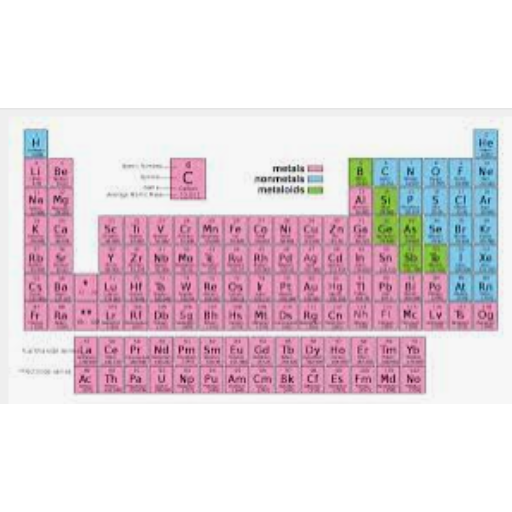
Families, also known as groups, go vertically in the periodic table. There are seventeen of them and elements in the same family have the same number of valence electrons. Periods go horizontally in the periodic table. There are seven of them, and elements in the same period have the same number of orbitals.
Role of Protons
Protons determine the identity of an element. The number of protons in an element shows where the element is placed on the periodic table, because the number of protons is the atomic number of an element.

Elemental Properties
Metals(Pink)- Metals are shiny, not brittle, malleable, and conductors.
Metalloids(Green)- Metalloids are shiny, brittle, and have semi-conductivity.
Nonmetals(Blue)- Nonmetals are brittle, dull, non-malleable, and insulators.
Valence Electrons
Valence electrons are the electrons in the outermost shell. If there are eight valence electrons the element is non-reactive. Anything less is reactive, the only exception to the element, Helium. The amount of valence electrons determines the element's place by the families.
Physical Properties- High conductivity, lustre, malleable, ductile
Chemical Properties- One valence electron, Highly reactive
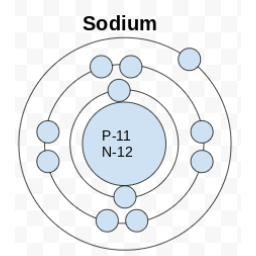
Examples of Elements- Lithium, Sodium, Potassium
Alkali Metals


Rubidium is used to make ceramics.


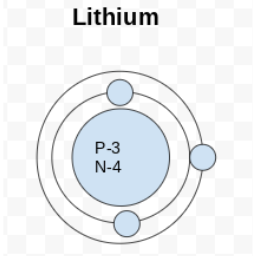
Lithium is used in glass.
Physical Properties- High conductivity, lustre, malleable, ductile
Chemical Properties- Two valence electrons, High reactivity but less than alkali metals
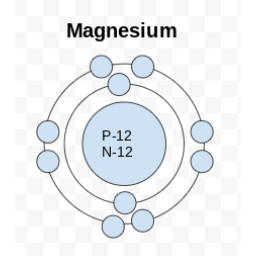
Examples of Elements- Beryllium, Magnesium, Calcium
Alkaline Earth Metals

Strontium is used to make fireworks.
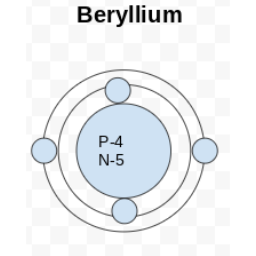
Beryllium is used to make gears and cogs.


Physical Properties- Good conductors, malleable, hard
Chemical Properties- The reactivity of transition metals vary.
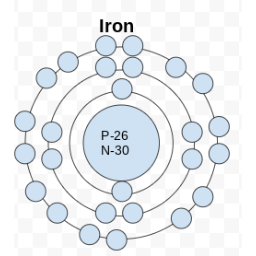
Examples of Elements- Iron, Copper, Zinc
Transition Metal


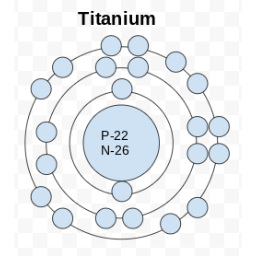
Titanium is used in mobile phones.
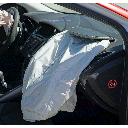
Cobalt is used to make airbags.


Physical Properties- Varied properties, consists of metalloids and metals
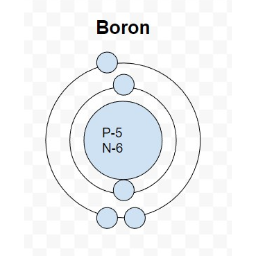
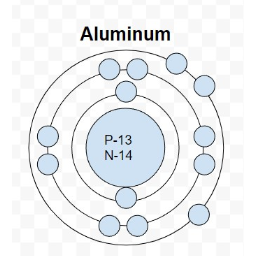
Chemical Properties- Three valence electrons, High reactivity but less than alkaline earth metals, consists of metals and metalloids
Examples of Elements- Boron, Aluminum, Indium
Boron Family
Boron is used to make laundry detergents.
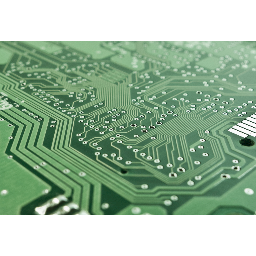
Gallium is used in electric circuits.


Physical Properties- Varied properties, consists of nonmetals, metalloids, and metals
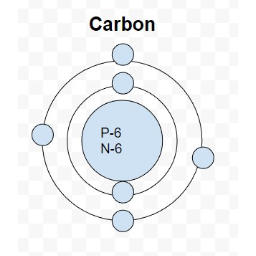
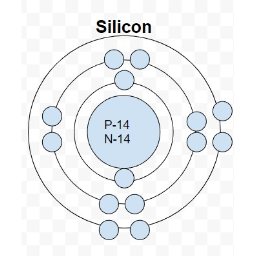
Chemical Properties- Four valence electrons, reactive but less than Boron Family
Examples of Elements- Carbon, Silicon, Tin
Carbon Family


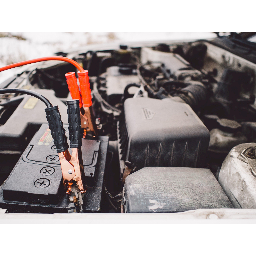
Lead is used for car batteries.


Carbon is used to make graphite.
- Full access to our public library
- Save favorite books
- Interact with authors

- < BEGINNING
- END >
-
DOWNLOAD
-
LIKE
-
COMMENT()
-
SHARE
-
SAVE
-
BUY THIS BOOK
(from $4.59+) -
BUY THIS BOOK
(from $4.59+) - DOWNLOAD
- LIKE
- COMMENT ()
- SHARE
- SAVE
- Report
-
BUY
-
LIKE
-
COMMENT()
-
SHARE
- Excessive Violence
- Harassment
- Offensive Pictures
- Spelling & Grammar Errors
- Unfinished
- Other Problem

COMMENTS
Click 'X' to report any negative comments. Thanks!