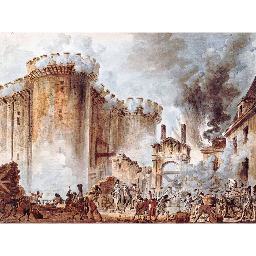



On July 14, 1789, Parisian citizens stormed the city’s largest prison, the Bastille, in pursuit of gunpowder. The storming would influence something called the Great Fear. These events caused the issuing of the August Decrees which freed peasants from oppressive contracts.
The Storming of the Bastille

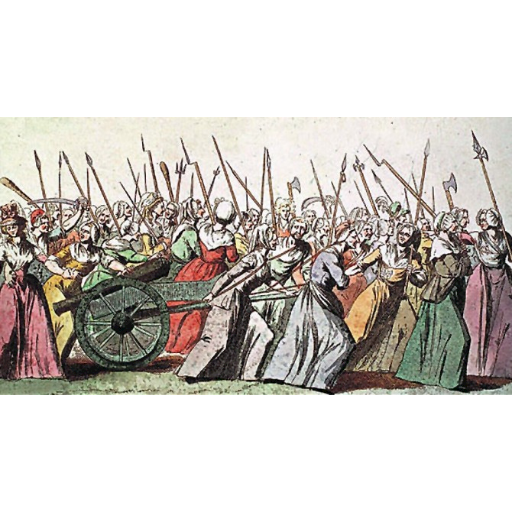
By October 15, 1789 Paris was at a boiling point, this caused working class women to fiercely protest over the high price and scarcity of bread. They also ransacked the city’s weaponry to get weapons. Once successfully acquiring weapons they stormed the Palace of Versailles and nearly killed the Queen. In result, they successfully pressed their demands and King Louis XVI agreed to sign the Declaration of the Right of man.
The Women's March
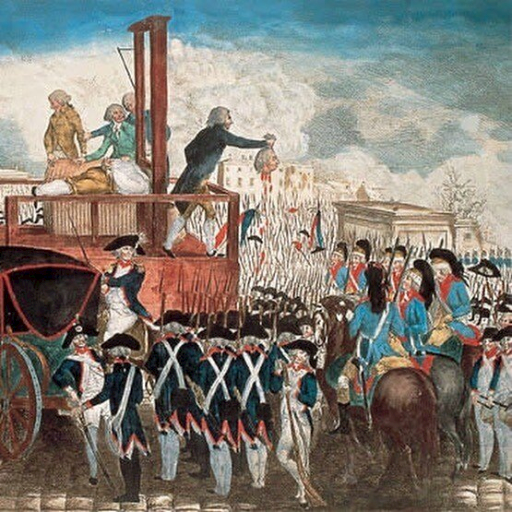
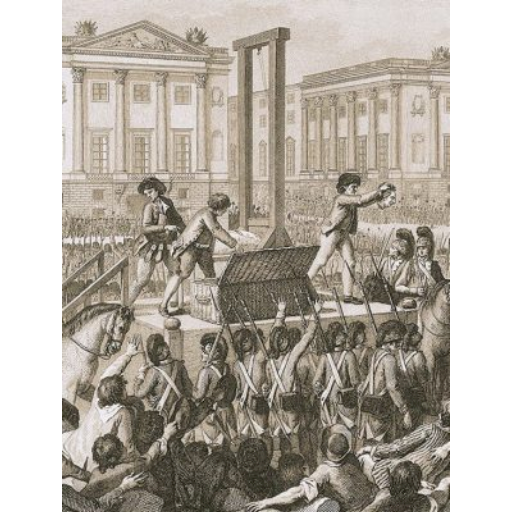
In January 1973 the National Convention put King Louis XVI on trial and executed him for treason. As for his wife Marie Antionette was also jailed and executed 9 months later in October 1973 for depleting the treasury and abusing her son. This allowed a new constitution to be approved in 1793 which led to the Reign of Terror in that same year.

The Execution of King Louis XVI and Marie Antoinette
Due to Robespierre growing paranoid about counter-revolutionary influences he embarked upon a Reign of Terror which lasted from 1793 to 1794. During this Reign of Terror Robespierre had 15,000 people executred by the national razor because he considered them “enemies of the people.” Not only did this result in the death of 15,000 people it also led to Robespierre’s arrest and execution in July of 1794.

Robespierre and The Reign of Terror

Following his success in leading some of the French armies in their battles against Austria and Persia, Napoleon returned to Paris. After his return to Paris he led a successful coup d’état against the Directory in 1799, naming himself “first consul”, which is essentially the ultimate leader of France. During his rule some of his big accomplishments included stopping the French Revolution and creating the Napoleon code. In 1814 he was exiled to Elba because of his defeat at Waterloo, he ended up escaping Elba to return to France. His loss in 1814 led to a peace plan being created for Europe. Not too long after his return to France, he is exiled again, this time to Saint Helena, Napoleon dies there from stomach cancer on May 5, 1821, at age 51.
The Rise and Fall of Napoleon Bonaparte

The End
- Full access to our public library
- Save favorite books
- Interact with authors

- < BEGINNING
- END >
-
DOWNLOAD
-
LIKE
-
COMMENT()
-
SHARE
-
SAVE
-
BUY THIS BOOK
(from $3.19+) -
BUY THIS BOOK
(from $3.19+) - DOWNLOAD
- LIKE
- COMMENT ()
- SHARE
- SAVE
- Report
-
BUY
-
LIKE
-
COMMENT()
-
SHARE
- Excessive Violence
- Harassment
- Offensive Pictures
- Spelling & Grammar Errors
- Unfinished
- Other Problem

COMMENTS
Click 'X' to report any negative comments. Thanks!