
Direct Instruction (DI)
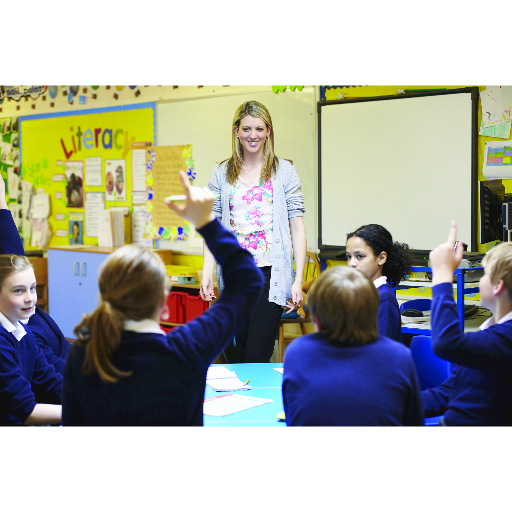
Direct instruction is a teacher-directed way of teaching. A teacher will usually stand at the front of a class with a strict lesson plan and little room for variation. While this a how most everyone learns, it does not allow for any student led teachings like discussions.
Direct Instruction in Physical Education
Direct Instruction can be used in many ways throughout Physical Education. One way it can be used is to teach students about their body and what makes it move. Another way direct instruction can be used in Physical Education is in football games. The teacher will have to go over the plays with the students. Usually, this does not involve a lot of student interaction with the teacher nor other students.
Modeling
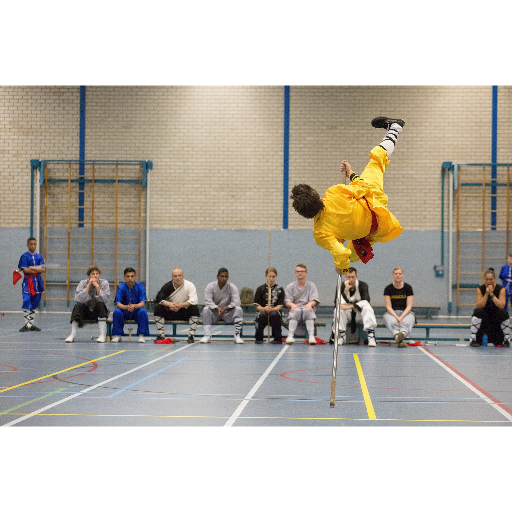
Modeling is showing the students how to do something through demonstrations and narrations. This helps the students to interact in class more than in the usual classroom set up. It also allows the students who learn better visually to get a chance to excel in the classroom by seeing how to execute a task.
Modeling is one of the most beneficial instructional strategies in Physical Education. Most Physical Education is based on the demonstration of how to do various activities. An example of this is a teacher showing their younger classes how to dribble a basketball. The students will see how it is done and begin to practice the correct dribbling form.
Modeling in Physical Education
Analysis of student work

Analysis of student work is making sure all students are following the curriculum. It helps the teachers see if the students are comprehending the class content and skills. It helps teachers make decisions about how to more be more efficient with their instruction as well as develop better strategies to teach students to help their learning experience.
Analysis of student work in Physical Education is another huge help. Physical Education teachers must analyze student work in real time to be able to correct and guide students through their Physical Education Journey. They must be able to recognize if students are not meeting the expectations in class and be able to fix the problem efficiently. For example, a student is not able to correctly spike a volleyball. The teacher must then be able to recognize this and teach how to correctly execute a spike.
Analyzing Student work in Physical Education
Music and Songs
Music and songs are a way of teaching that allows students to learn in a fun way through patterns and rhythms. There are many songs like the ABC's and the state song that help students learn the content of the lessons as well as remember it for life. It can also help transitions from task to task in the classroom which provides for efficient and organized learning.
Music and Songs in Physical Education
Music and songs are an amazing tool in Physical Education. Not only can it make the activities more enticing, it can also help the students grasp the movement of their body. A great way to use music in Physical Education is as a warm-up activity. The students can either stretch or dance to get their bodies warmed up for class. Another way it can be used is in basketball to dribble on the beat. This would teach the students to control their ball and maintain it.
Cooperative Learning
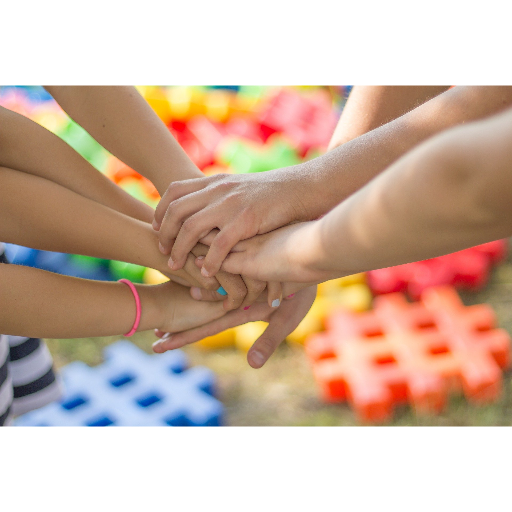
Cooperative learning is when students work together in groups to accomplish a learning goal set in class. This helps students learn from each other and work on their social skills. When students work together it also builds accountability and trust in other students and in themselves which creates a better learning environment for everyone.
- Full access to our public library
- Save favorite books
- Interact with authors
- < BEGINNING
- END >
-
DOWNLOAD
-
LIKE
-
COMMENT()
-
SHARE
-
SAVE
-
BUY THIS BOOK
(from $4.79+) -
BUY THIS BOOK
(from $4.79+) - DOWNLOAD
- LIKE
- COMMENT ()
- SHARE
- SAVE
- Report
-
BUY
-
LIKE
-
COMMENT()
-
SHARE
- Excessive Violence
- Harassment
- Offensive Pictures
- Spelling & Grammar Errors
- Unfinished
- Other Problem





COMMENTS
Click 'X' to report any negative comments. Thanks!