By Avery Godsey, Bella Piland, Kat Smith, and Lexi Thomas

from the 1300s through the end of the 1600s, Europe experiences a "witchcraft craze". Thousands of suspected witches were executed, the majority of them being women.
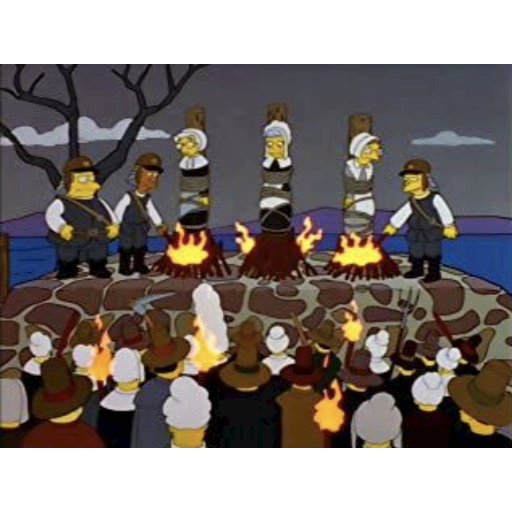
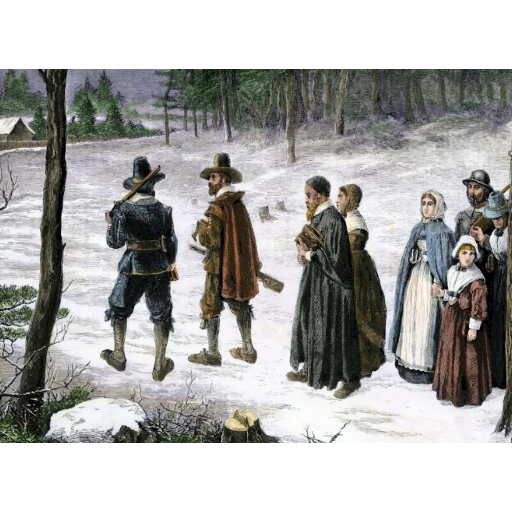
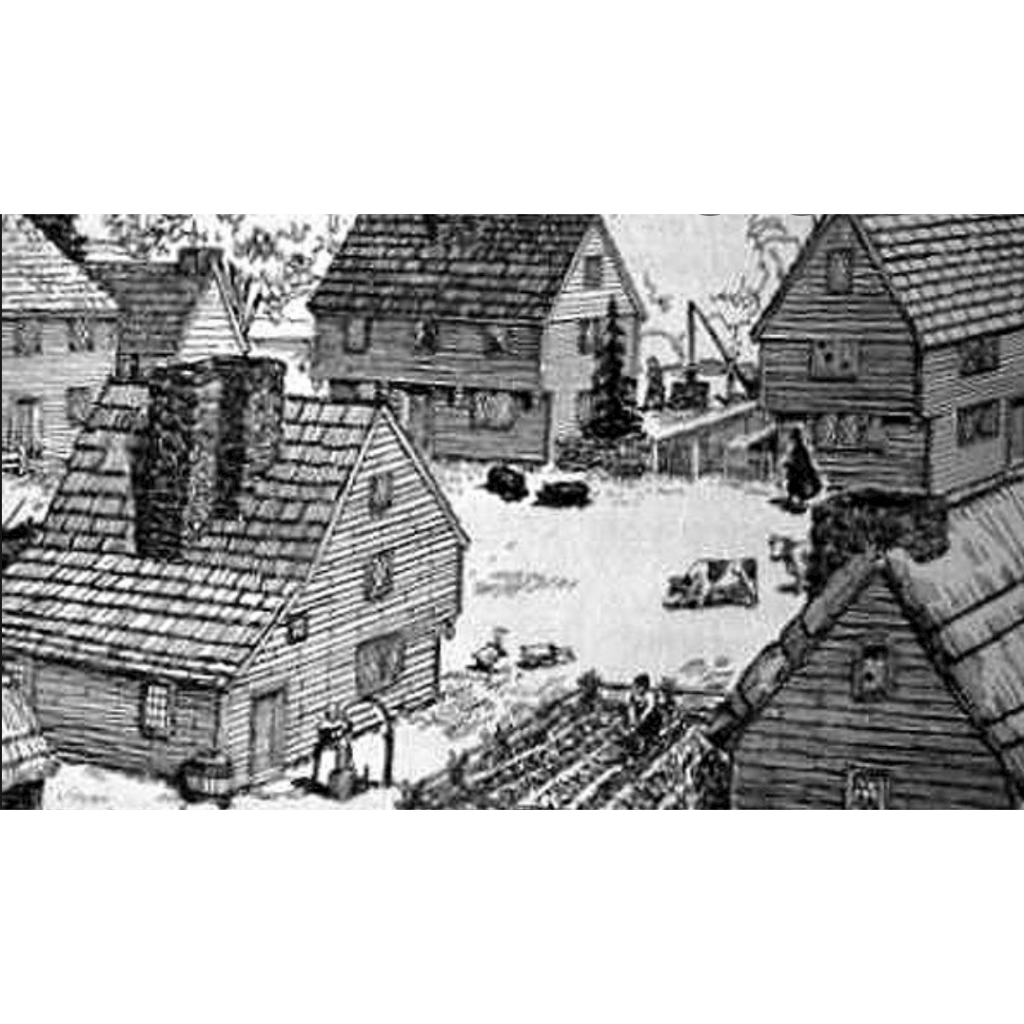
There were various societies and religions in Salem town, along with a merchant economy. Additionally, it had a thriving port village. On the other hand, the village of Salem had unskilled and poor farmers and was generally under the devil's influence. Reverend Samuel Paris served as the village's strict prime minister.
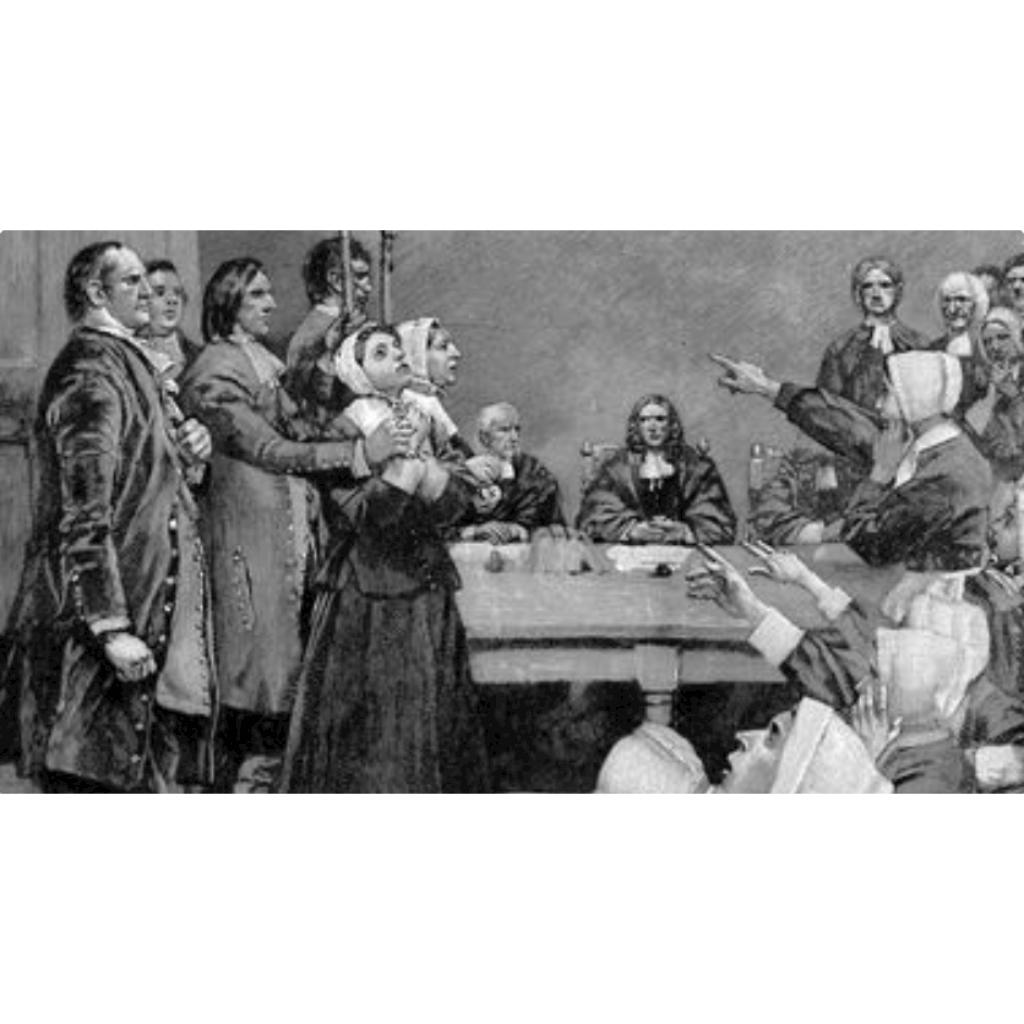
During the witch trials, there was some tension between the town and the village due to intellectual divides, economic background, and the great physical distance between the two. These factors could have influenced the outcomes of some of the proceedings, such as the fluency of the trials.

Many practicing Christians and followers of other religions held the firm conviction that the Devil could grant particular individuals known as witches the ability to harm others in return for their loyalty.
There were numerous theories about the validity of the witch trials and alternate explanations. Linnda Caporael presented the first piece of evidence in 1976, claiming that the witch trials resulted from a potential rye ergot outbreak. Ergot is a fungus blight that transforms bread into psychoactive medications, which could cause its victims to appear bewitched when they are, in reality, stoned.

This resulted in an initial inquiry and debunking of the Salem Witch Trials as a whole, leading many to conclude that the people were influenced by rye bread rather than witchcraft. The possibility of an explanation led to many more theories, diminishing the authenticity of the Salem Witch Trials for some.




These accusations against the girls led to more allegations against other village residents. The situation became worse as the blame game got started around the citizens. The only option left was to hang several people charged with witchcraft but refused to admit it.
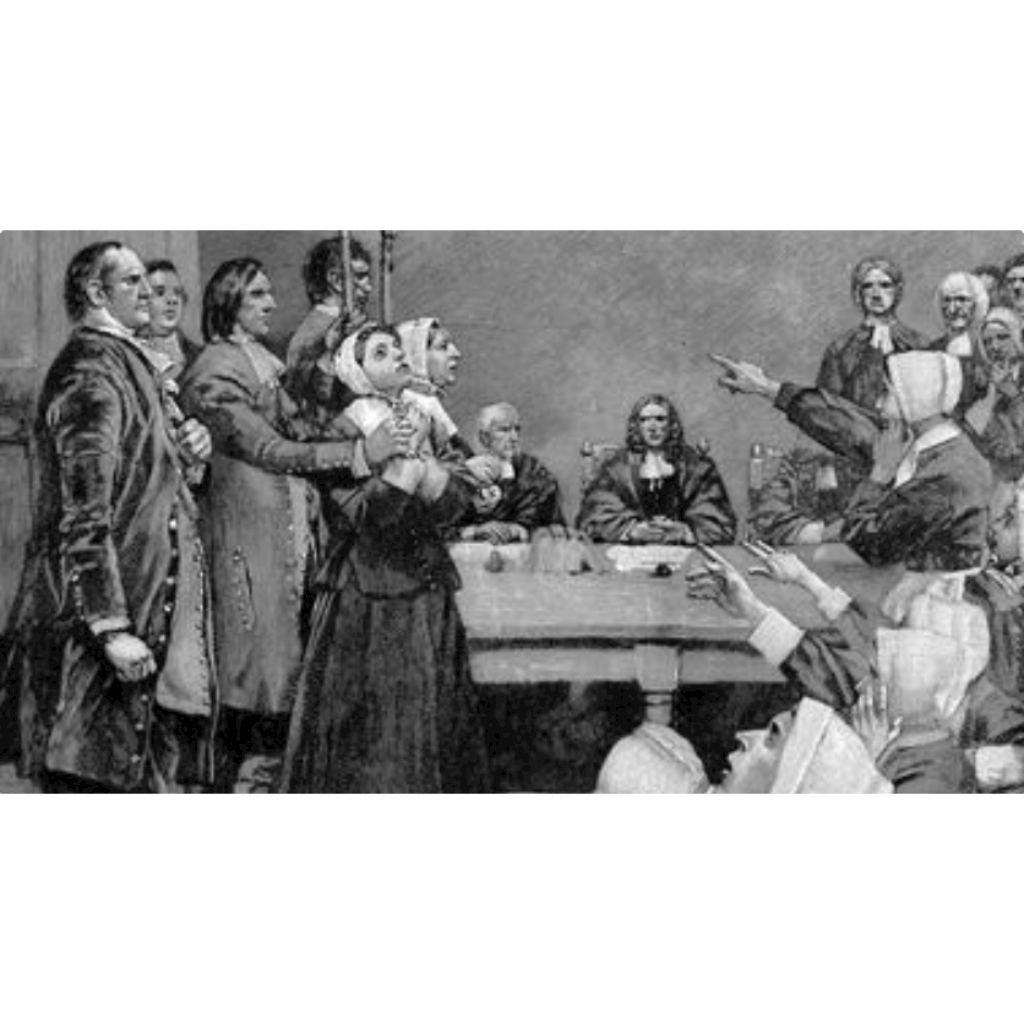
One of the girls, from this group was Mercy Lewis. She was the Putnams' housekeeper and Abigail's closest friend. Mercy stays at Abigail's side throughout the court procedures, and when things start to go south for them, the two of them flee the village together.

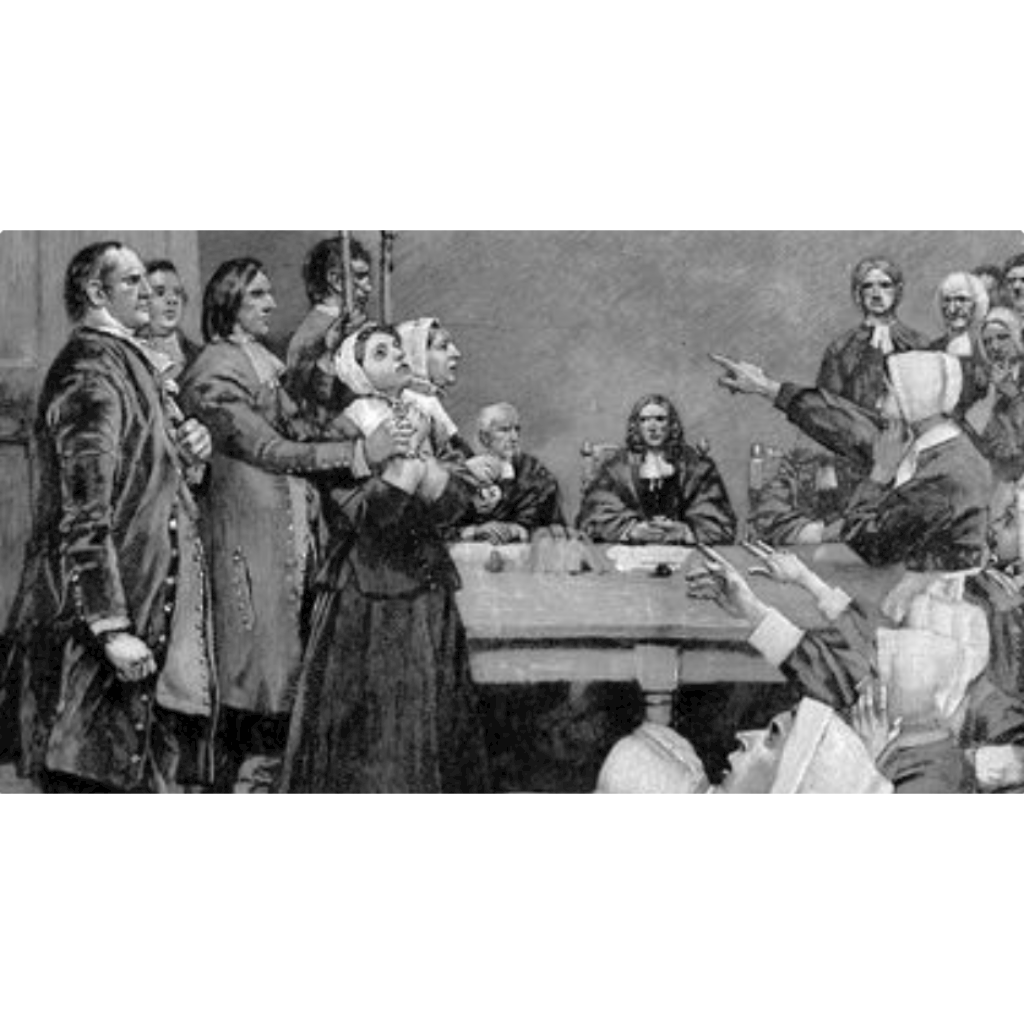
Mercy lewis accused the Corey's of witchcraft. Farmer Giles Corey had a poor reputation despite his achievements. Corey turned away from his wife Martha after she was arrested on a witchcraft-related charge because he accepted the accusations. He was in the same situation when he discovered he was mistaken about his wife. Corey was killed by heavy boulders being placed onto him. Shortly after he died, his wife Martha was executed.


- Full access to our public library
- Save favorite books
- Interact with authors
- < BEGINNING
- END >
-
DOWNLOAD
-
LIKE
-
COMMENT()
-
SHARE
-
SAVE
-
BUY THIS BOOK
(from $5.19+) -
BUY THIS BOOK
(from $5.19+) - DOWNLOAD
- LIKE
- COMMENT ()
- SHARE
- SAVE
- Report
-
BUY
-
LIKE
-
COMMENT()
-
SHARE
- Excessive Violence
- Harassment
- Offensive Pictures
- Spelling & Grammar Errors
- Unfinished
- Other Problem





COMMENTS
Click 'X' to report any negative comments. Thanks!