Thrown off the train
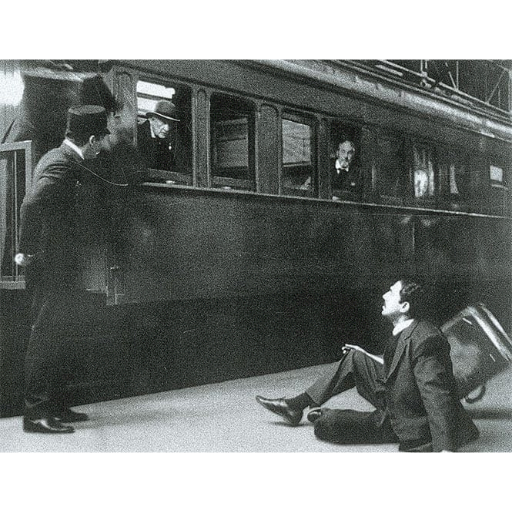
He had a first class's ticket for seat.
The seat he sat in was "white only" compartment.
And conductor let him throw off the train for refusing to give up his seat.

https://www.hindustantimes.com/brunch/where-mahatma-gandhi-s-satyagraha-movement-was-born/story-ig1KQ93xhg6vvdTtluZrCM.html
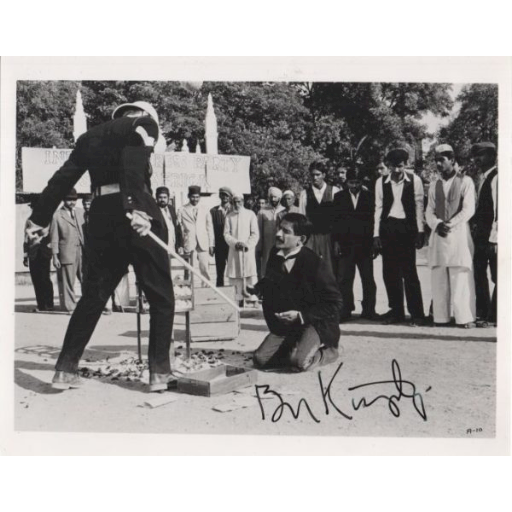
Burning the passes
The government made it clear that Asiatics could not recall their reg, the decision was made to burn all registration cards. He wanted to proclaim their right to be treated as equal citizens.

https://www.regisautographs.com/product/ben-kingsley-gandhi-1982/
Living in an Ashram
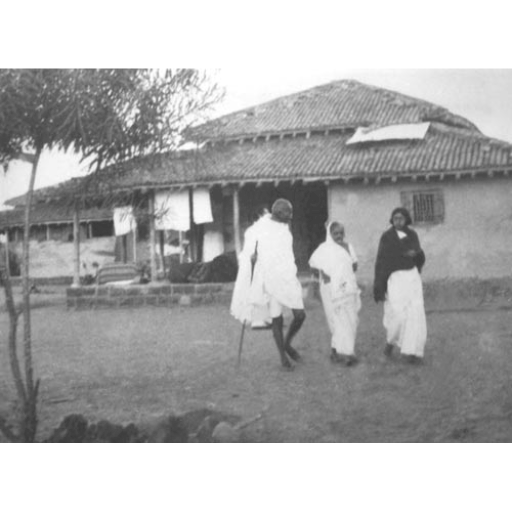
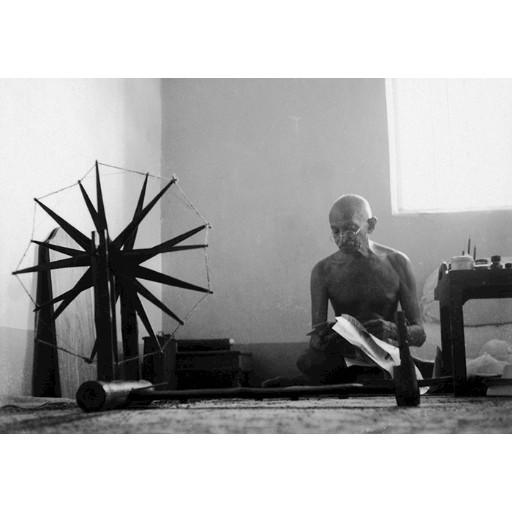
He returned to his home India in 1915. He established four major living communities called ashrams. His idea of an ashram lifestyle aimed to crate a new society where all men have a greater purpose in life.
And he was taken care by a couple of women in here

http://www.gandhimemorialcenter.org/ashram-living
Amritsar Massacre
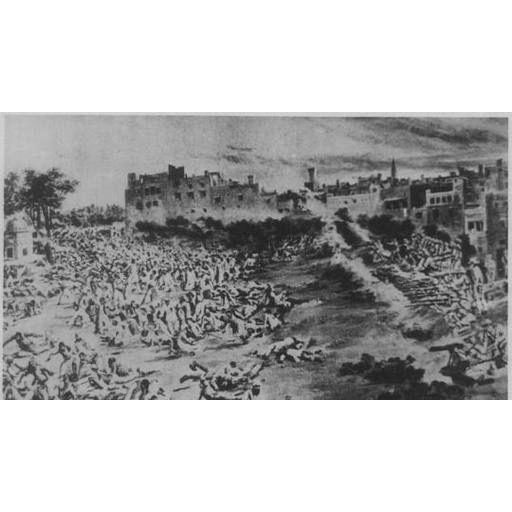
In Amritsar, British and Gurkha troops massacre at least 1500 unnamed demostrators meeting at the Jallianwala Bagh, a city park. Demonstrators were Indian nationalists meeting to protest the British government's forced conscripition of indian soldiers and the heavy war tax imposed against the Indian people. Children and women conclude in these people killed by troops.
A leader of this troop said that what they did was correct after this event.

https://www.discoversikhism.com/sikh_genocide/1919_jallianwalla_bagh_massacre.html
Gandhi's Fast
He fasted for different causes. To go against violent protest actions of radical factions of the independence movement, to support "untouchables", to oppose the British constitutional proposal based on the separation
of castes etc. His longest fasts lasted 21 days. People around him continued to say to him that he should eat because he looked almost dying but he didn't stop to do it until stop fighting and their madness between Hindu and Muslims. This Gandhi's fast influenced people doing civil war to stop fighting.

https://www.khanacademy.org/humanities/whp-origins/era-7-the-great-convergence-and-divergence-1880-ce-to-the-future/74-end-of-empires-betaa/a/read-and-then-gandhi-came-nationalism-revolution-and-sovereignty-beta
March to the sea, Salt tax
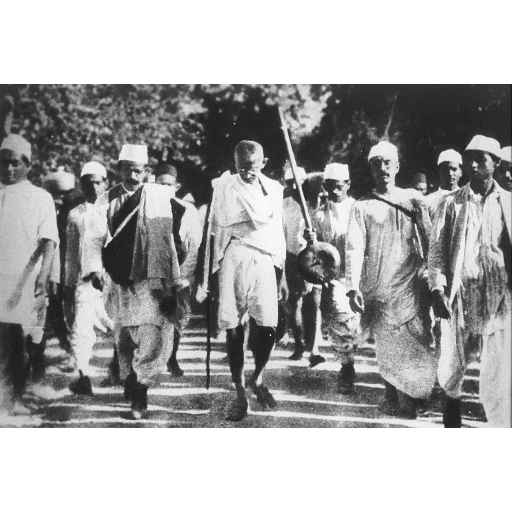
The salt march was an act of civil disobedience led by Gandhi to protest British rule in India. During the march, thousands of Indians followed him from near Ahmedabad to the Arabian sea coast, a distance of some 240 miles. This nonviolent march resulted in the arrest of many people. The cause of this march is salt tax. Indian citizens were forced to ban collecting or selling salt and charged a heavy salt tax by the British. Although Indian's poor suffered most under the tax, all Indians required salt because, salt was their staple food.

https://en.wikipedia.org/wiki/Salt_March
- Full access to our public library
- Save favorite books
- Interact with authors

- < BEGINNING
- END >
-
DOWNLOAD
-
LIKE(1)
-
COMMENT()
-
SHARE
-
SAVE
-
BUY THIS BOOK
(from $3.99+) -
BUY THIS BOOK
(from $3.99+) - DOWNLOAD
- LIKE (1)
- COMMENT ()
- SHARE
- SAVE
- Report
-
BUY
-
LIKE(1)
-
COMMENT()
-
SHARE
- Excessive Violence
- Harassment
- Offensive Pictures
- Spelling & Grammar Errors
- Unfinished
- Other Problem

COMMENTS
Click 'X' to report any negative comments. Thanks!