Period 3
Week 15
front cover picture: https://www.historicpictoric.com/products/map-north-america-1810-vintage-art

The Lifestyle of Tribal Groups on the Plains
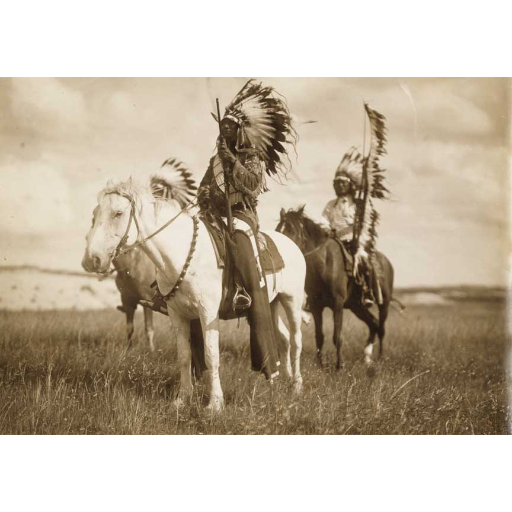
On the plains, Native American men hunted for mostly buffalo (it was the largest type of food on the plains) while women cooked, made clothing and tools while tending to the chidren, and worked in the fields. The chief(s) made the decisions for the tribe, but some had systems of government to advise them.

https://www.historycentral.com/Indians/GreatPlains.html
Battle of Wounded Knee
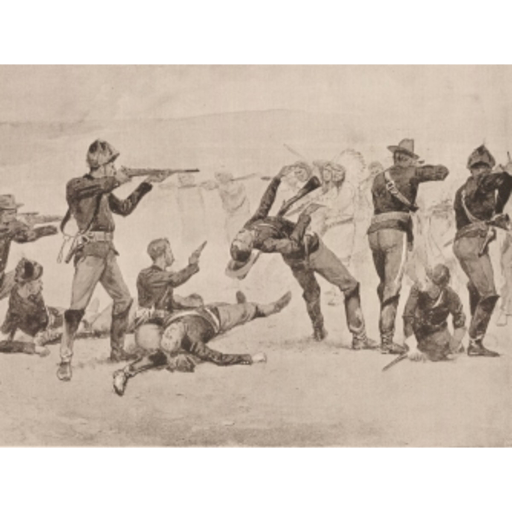
Although 371 treaties were signed to succesfully seperate Native Americans and Whites, Whites still invaded Native's land with the "Iron Horse" (the train) they were building across America. This led to the Massacre that was started with an accidential gun firing and sadly ended with 300 Native men and women killed by American troops.

https://www.history.com/news/remembering-the-wounded-knee-massacre
Sitting Bull
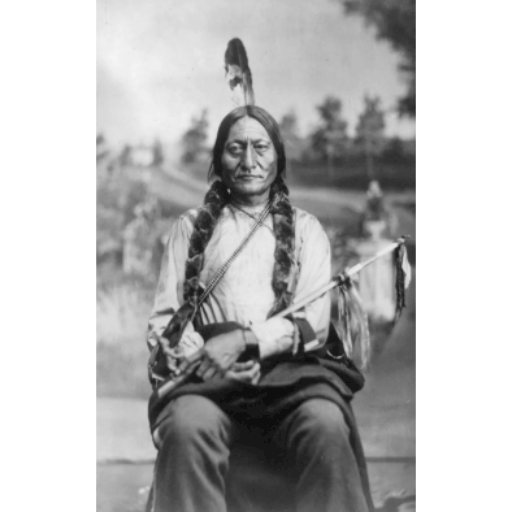
Sitting Bull was an Indian Chief that led the tribes through survival on the North American Great Plains. When he was 14, he joined his first war party and fought against a rival clan. Sitting Bull was not always seen as a powerful person due to his lack of talent in warfare, but as he gained experience he learned to defend his land and led in successful battles against American forces.
https://www.britannica.com/biography/Sitting-Bull

Lifestyle of American Settlers/ Cowboy and Vanqueros
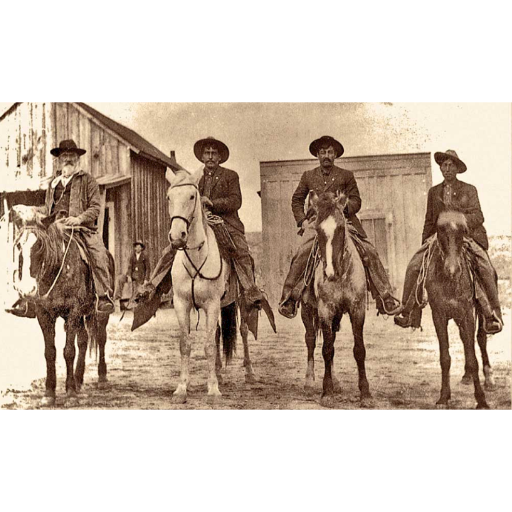
In the plains, trees were scarce so settlers lived in soddy's (a dugout). Men worked in the fields while women raised animals, mined grain, baked bread, etc. Cowboys were heavily influenced by vaqueros. They had the same clothes, food, and vocabulary. They also both used horses and spurs.
https://www.okhistory.org/learn/cowhands2

Problems with the Railroad/Abuses
Although the railroad was being built fast and efficiently, there were many problems that surfaced in the process. Irish and Chinese immigrants were hired to do the hard labor of building the railroad and were overworked and underpaid while doing so. Another problem was after the railroad was finished, it was so expensive to ship grain that farmers were paying more than they were receiving when selling it.
- Full access to our public library
- Save favorite books
- Interact with authors

- < BEGINNING
- END >
-
DOWNLOAD
-
LIKE
-
COMMENT()
-
SHARE
-
SAVE
-
BUY THIS BOOK
(from $3.19+) -
BUY THIS BOOK
(from $3.19+) - DOWNLOAD
- LIKE
- COMMENT ()
- SHARE
- SAVE
- Report
-
BUY
-
LIKE
-
COMMENT()
-
SHARE
- Excessive Violence
- Harassment
- Offensive Pictures
- Spelling & Grammar Errors
- Unfinished
- Other Problem

COMMENTS
Click 'X' to report any negative comments. Thanks!