The students and the teachers have 2 pages to write some information and add some visual about innovative studies regarding English.


CONTENTS OF THE E-BOOK:
p.6-7 Rana - Meliksah High School
p.8-9 Short history of teaching English in Romania - teacher Roxana M., "Lucian Blaga" Secondary School, Bistrița
p.10-11 Student Ana - teacher Codruta R., "Lucian Blaga" Secondary School, Bistrița, Romania
p.12-13 Students Denisa / Alexia/Carla/Alex "Innovations on learning English", "Lucian Blaga" Secondary School, Bistrița, Romania
p.14-15 Insights and views from Romanian Students' side - 8th A graders - teacher Simona & teacher Cristina,"Lucian Blaga" Secondary School, Bistrița
p.16-17 - English learning journey - YAMAN.AKDAGMTAL & DEMET AKSOY
p.18-19 - Karapınar Meke Anatolian High School/Student Dönüş - Teacher Latife- Turkey
p.20-21 - BEYŞEHİR CAHİT ZARİFOĞLU ANADOLU LİSESİ - ÖZLEM KULCU and ÖZLEM AKKAYA
p.22-23 - Salih-Esma-Dudu-Nazlıcan/ Menşure Teacher, Ankara/TURKEY/Mamak Yunus Emre Vocational and Technical Anatolian High School
p.24-25 - Karapınar Meke Anatolian High School-Merve Teacher's Group
Nelson Mandela says “Education is the most powerful weapon which you can use to change the world”.
Therefore, developing a program in education is something that should be focused on in a great detail.
There are several curriculums developed for teaching English in Turkey. Before the 1997 reform, the students were introduced to English courses at the 6th grade (at the age of 11) in the public schools, which was the start of secondary school.
This was too late to start learning a second language. Later, in 2001 English courses were introduced to the primary schools starting at the 4th grade. The classes were two hours per week in the 4th and the 5th grades. Still this was late, finally we start learning English at the second grade (at the age of 8). To me, it is still late. We should start learning a second language at Kindergarten.
Rana, Reyyan, İlayda
Melikşah High School
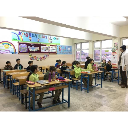
Short history of English teaching in Romania:
* English has been taught in Romanian primary schools since the collapse of communism, so most young people can communicate quite well in English;
* What percent of Romania speaks English?
English (50%) German (30%) Portuguese (7%)
Teacher Roxana, "Lucian Blaga" Secondary School, Bistrița, Romania
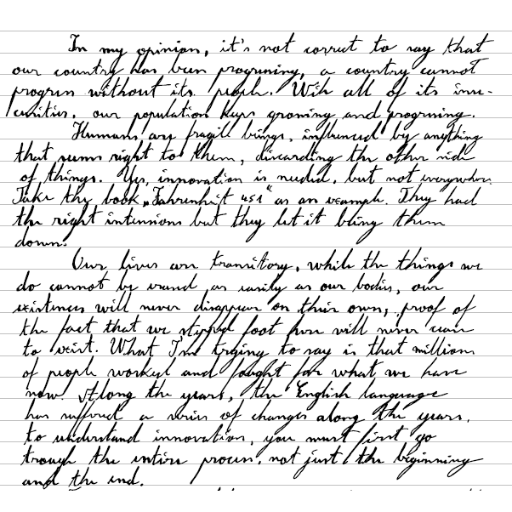
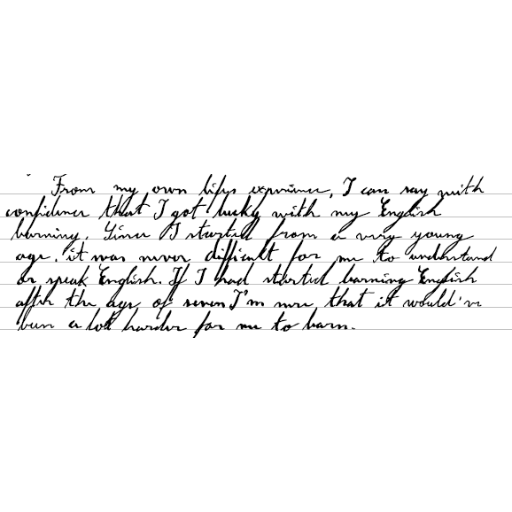

student Ann, 8th grade - teacher Codruța - Romania, "Lucian Blaga" Secondary School, Bistrița
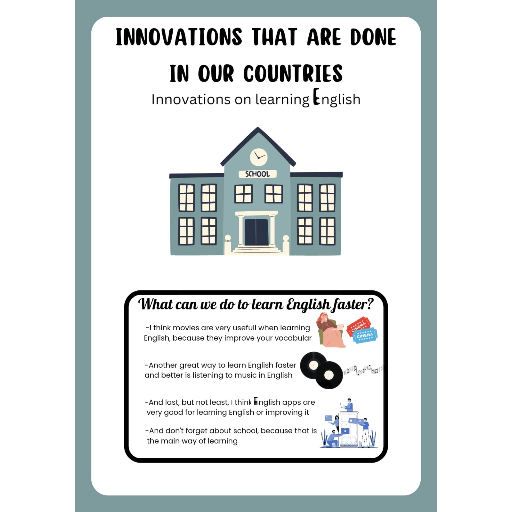
Students:
Denisa / Alexia / Carla/ Alex -> 8th graders-> Romania (teacher Roxana)
"Lucian Blaga" Secondary School, Bistrița
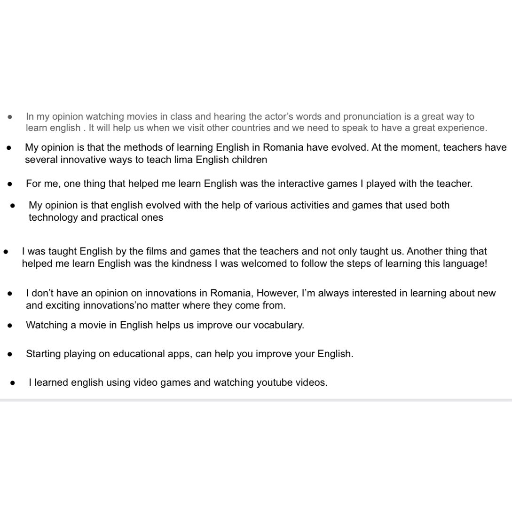
Insights from Romanian students:
Gamification
Innovation
Digitality

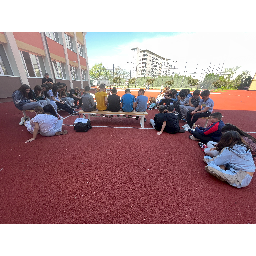
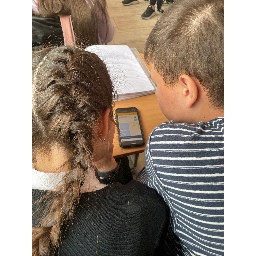
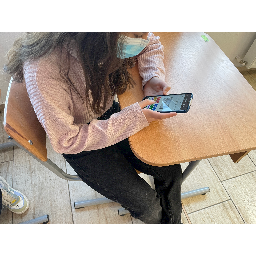
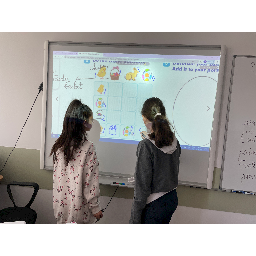
8th A graders - teacher Simona & teacher Cristina
"Lucian Blaga" Secondary School, Bistrița
English learning is a journey of growth and opportunity. As one delves into the intricacies of the language, a world of possibilities opens up. From enhancing communication skills to broadening cultural horizons, learning English equips individuals with a valuable tool for personal, academic, and professional development. The innovations in teaching English demonstrate the transformative power of technology and pedagogical advancements in language education.

- Full access to our public library
- Save favorite books
- Interact with authors
- < BEGINNING
- END >
-
DOWNLOAD
-
LIKE(3)
-
COMMENT()
-
SHARE
-
SAVE
-
BUY THIS BOOK
(from $4.99+) -
BUY THIS BOOK
(from $4.99+) - DOWNLOAD
- LIKE (3)
- COMMENT ()
- SHARE
- SAVE
- Report
-
BUY
-
LIKE(3)
-
COMMENT()
-
SHARE
- Excessive Violence
- Harassment
- Offensive Pictures
- Spelling & Grammar Errors
- Unfinished
- Other Problem





COMMENTS
Click 'X' to report any negative comments. Thanks!