
the Atomic number is how many protons are in a atom
Atomic Number
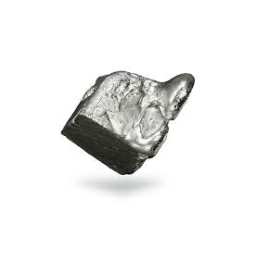
beryllium
Beryllium is a chemical element with the symbol Be and atomic number 4. It is a steel-gray, strong, lightweight and brittle alkaline earth metal
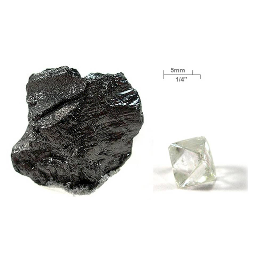
Carbon
Carbon is the 6th element on the periodic table, it is in the non metal group of elements and it makes up .025% of earth's crust.
Deep sea gigantism
Deep sea gigantism or abyssal gigantism is when invertebrates or other creatures of the deep sea are larger than their shallow water relatives there are many reasons for this some of them being lack of food, colder temps, and reduced predation pressure.
Earth is one of the only planets that can support life (that we know of). Earth is the 3rd planet from the sun. Earth and venus are considered twins. Earth is in the goldilocks zone of space which means its not too hot and not too cold which is one reason why we are able to live on earth.
Earth

gallium
Gallium is the 31st element on the periodic table. It was discovered in 1875 by Paul-Émile Lecoq de Boisbaudran. one of its main uses is a silicon substitute. it is an important component of many semiconductors
hadean Eon
During the hadean eon the moon formed and we got a magnetic field and earth got a heating source which is the sun
Interactions of life
the interactions of life are when many species of animals are together and interact with each other
Jupiter
Jupiter is the fifth planet from the sun and is the largest of all the planets in our solar system it is named the king of all planets
Living things
living things are called biotic and there are many living things on planet earth and earth. The only reason they are living is because they can do things on their own.
magnesium
magnesium has an atomic number of 12 and is a shiny gray metal having a low density, low melting point, and a high chemical reactivity
neptunium
Neptunium has an atomic number of 93. It is a radioactive actinide metal it is the first transuranic metel
Periodic table
the periodic table is a table with all of the known elements organised into groups, family, and periods
- Full access to our public library
- Save favorite books
- Interact with authors
- < BEGINNING
- END >
-
DOWNLOAD
-
LIKE
-
COMMENT()
-
SHARE
-
SAVE
-
BUY THIS BOOK
(from $4.59+) -
BUY THIS BOOK
(from $4.59+) - DOWNLOAD
- LIKE
- COMMENT ()
- SHARE
- SAVE
- Report
-
BUY
-
LIKE
-
COMMENT()
-
SHARE
- Excessive Violence
- Harassment
- Offensive Pictures
- Spelling & Grammar Errors
- Unfinished
- Other Problem





COMMENTS
Click 'X' to report any negative comments. Thanks!