



What is Fluency?
Fluency is defined as the ability to read with speed, accuracy, and proper expression. In order to understand what they read, children must be able to read fluently whether they are reading aloud or silently. When reading aloud, fluent readers read in phrases and add intonation appropriately.
-Readingrockets.org

Image from: Weareteachers.com
There are multiple ways to promote fluency within the classroom. We are going to discuss three specific strategies that develops fluency for our cultural and diverse learners.
These three strategies are:
1) Readers Theater
2) Choral Reading
3) Repeated Reading
All three of these strategies are essential for language development, and rely on collaboration with peers.
Readers Theater
When most people hear the word Theater, they are probably imagining a stage with a backdrop for a scene that goes with the play. There may be props and performers with costumes.
But 'Readers Theater' is different. The focus is the script, and the way the script is verbalized. The students get to practice and model all of the prosodic elements of English with their classmates. They use their voice to emphasize the way words should be spoken (stress, intonation, and phrasing).
There are many advantages to utilizing "Reader's Theater." Any reading material or text can be adapted into a play to 'act' out. CLD (Cultural and Linguistically Diverse Learners) are given the opportunities to hear their native speaking classmates recite the play. It gets all the students involved and engaged, and brings learning to life.
Please checkout these five great websites on how to use Readers Theater in your classroom:
1) www.literacyconnections.com/Readerstheater.php
2) www.readingrocket.org/article/readers-theater-oral-language-enrichment-and-literacy-development-ells
3) http://www.freereaderstheater.com
4) http: //eli.tiss.edu
5) www.teachingheart.net/readerstheater.htm
Here is an example of how to use Reader's Theater in your 1st grade classroom:
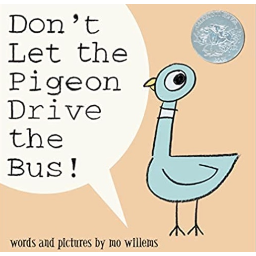
We are going to use the book
Don't Let the Pigeon
Drive the Bus!
By Mo Willems
Each student will have a partner (One CLD student and one native student). One person will play the role of the bus driver, and the other student will perform as the Pigeon. They will practice the prosodic elements when reading the dialog of each character. They will have plenty of practice to rehearse before they 'perform' for the whole class.

The next strategy that we are going to discuss to increase fluency among CLD learners is Choral Reading. Choral Reading demands that the whole classroom reads aloud together. The teacher will model how to read the text, and the students will follow his/her example. The students learn how to pronunciate the words, recognize words, work on the 'speed' of their reading, and their overall reading comprehension.

Image from:
pernillesripp.com
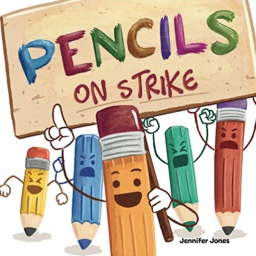
To practice Choral Reading in a 1st grade classroom, I would select the book Pencils on Strike by Jennifer Jones. I would first read the passage on the page, and then we would read the passage together as a class. I would have the page I am reading from projected on the large screen in the classroom, and each student would have their own copy of the book. They will point to each word as they read. I will also point with my fingers as I read with them. We will re-read this book several times as a class, because repetition and familiarity helps develop the prosodic elements of English.

- Full access to our public library
- Save favorite books
- Interact with authors

- < BEGINNING
- END >
-
DOWNLOAD
-
LIKE
-
COMMENT()
-
SHARE
-
SAVE
-
BUY THIS BOOK
(from $2.99+) -
BUY THIS BOOK
(from $2.99+) - DOWNLOAD
- LIKE
- COMMENT ()
- SHARE
- SAVE
- Report
-
BUY
-
LIKE
-
COMMENT()
-
SHARE
- Excessive Violence
- Harassment
- Offensive Pictures
- Spelling & Grammar Errors
- Unfinished
- Other Problem

COMMENTS
Click 'X' to report any negative comments. Thanks!