



is for Articles of Confederation
the original constitution of the US, ratified in 1781, which was replaced by the US Constitution in 1789.


is for Bill of Rights
It spells out Americans' rights in relation to their government. It guarantees civil rights and liberties to the individual—like freedom of speech, press, and religion. It sets rules for due process of law and reserves all powers not delegated to the Federal Government to the people or the States


is for Constitutional Convention

A convention of delegates from all the states except Rhode Island met in Philadelphia, Pennsylvania, in May of 1787. Known as the Constitutional Convention, at this meeting it was decided that the best solution to the young country's problems was to set aside the Articles of Confederation and write a new constitution.

is for Describe

give an account in words of (someone or something), including all the relevant characteristics, qualities, or events.

is for Explain

make (an idea, situation, or problem) clear to someone by describing it in more detail or revealing relevant facts or ideas.

is for Federalists

a person who advocates or supports a system of government in which several states unite under a central authority.
a member or supporter of the Federalist Party.
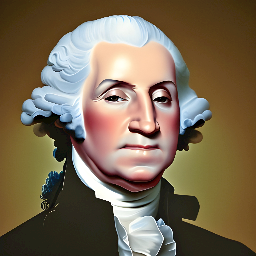
is for George Washington

George Washington was an American military officer, statesman, and Founding Father who served as the first president of the United States from 1789 to 1797

is for Hamiliton, Alexander

Alexander Hamilton was a founding father of the United States, who fought in the American Revolutionary War, helped draft the Constitution, and served as the first secretary of the treasury. He was the founder and chief architect of the American financial system.
is for Individual Rights

individual rights are freedoms that cannot be taken away by another person or the government. Only you can give these rights away; no one can rob you of your individual rights. Individual rights may also be referred to as “fundamental rights” or “inalienable rights.” They may even be referred to as basic human rights.

is for James Madison

James Madison, America's fourth President (1809-1817), made a major contribution to the ratification of the Constitution by writing The Federalist Papers, along with Alexander Hamilton and John Jay. In later years, he was referred to as the “Father of the Constitution.”

is for Land Ordiance of 1785

The Land Ordinance of 1785 was passed by the U.S. Congress under the Articles of Confederation. It laid out the process by which lands west of the Appalachian Mountains were to be surveyed and sold. The method of creating townships and sections within townships was used for all U.S. land after 1785.
is for Northwest Ordiance of 1787

The Northwest Ordinance chartered a government for the Northwest Territory, provided a method for admitting new states to the Union from the territory, and listed a bill of rights guaranteed in the territory.
is for Ordiance

1.) a piece of legislation enacted by a municipal authority.
2.) an authoritative order; a decree.

- Full access to our public library
- Save favorite books
- Interact with authors

- < BEGINNING
- END >
-
DOWNLOAD
-
LIKE
-
COMMENT()
-
SHARE
-
SAVE
-
BUY THIS BOOK
(from $4.39+) -
BUY THIS BOOK
(from $4.39+) - DOWNLOAD
- LIKE
- COMMENT ()
- SHARE
- SAVE
- Report
-
BUY
-
LIKE
-
COMMENT()
-
SHARE
- Excessive Violence
- Harassment
- Offensive Pictures
- Spelling & Grammar Errors
- Unfinished
- Other Problem

COMMENTS
Click 'X' to report any negative comments. Thanks!