This book was written by all students who participated in the adventure of The importance of intercultural communication and is dedicated to all students who dream of traveling...





Hello, I'm Peace. In this book, I will tell you about the wonderful people and beautiful countries I traveled, met and saw during two years.
SAFRANBOLU/TÜRKİYE
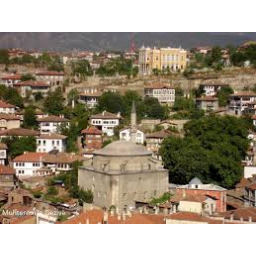
First, I went to SAFRANBOLU. Safranbolu is a very cute city under the protection of UNESCO. I stayed with a Turkish family in Safranbolu as a guest for 5 days. Thus, I had the chance to get to know their traditions and culture closely.
I wandered around the narrow streets of the city, visited the wooden houses and ate delicious Turkish delight.
At school, I met many people from Greece, Netherlands and Turkey.
We played games together and had wonderful memories.
Also, I got to know new cultures, now I will give you photos and brief information introducing SAFRANBOLU.
From the 13th century to the advent of the railway in the early 20th century, Safranbolu was an important caravan station on the main East–West trade route. The Old Mosque, Old Bath and Süleyman Pasha Medrese were built in 1322. During its apogee in the 17th century, Safranbolu's architecture influenced urban development throughout much of the Ottoman Empire.
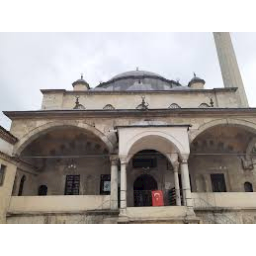
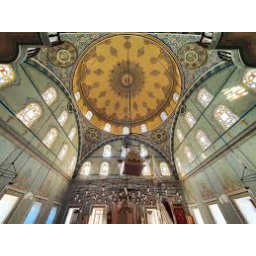
-The Köprülü Mehmet Pasha Mosque is a historic mosque located in the Çarşı district of Safranbolu and was commissioned by the Ottoman Grand Vizier Köprülü Mehmet Pasha in 1661.
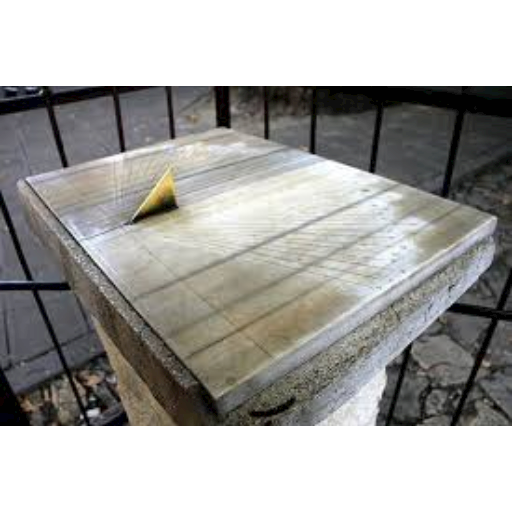
-Sundial: Located in the mosque courtyard, the sundial was used to determine prayer times during the Ottoman period. Displaying time in Arabic numerals, this clock is divided into ten-minute increments, and it is possible to accurately read the time by the shadow cast by a brass triangle nailed to the marble.


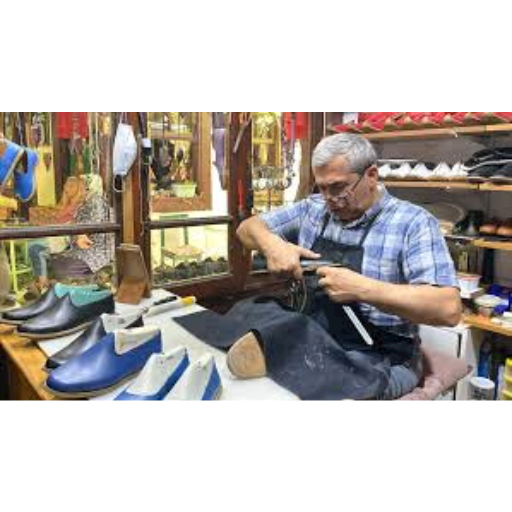
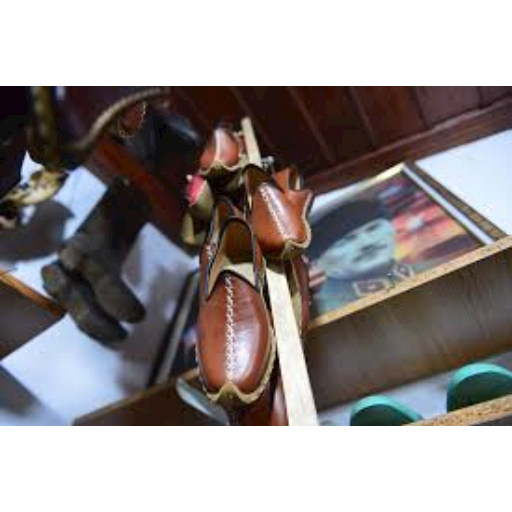
The art of yemeni in Safranbolu is a tradition of handmade shoe production that has been around since the Ottoman period. Yemenis are completely natural shoes made of calfskin on top, buffalo leather on the bottom and goatskin on the inside. These shoes, which do not cause sweating and do not create odor on the feet, were especially preferred by Ottoman soldiers.
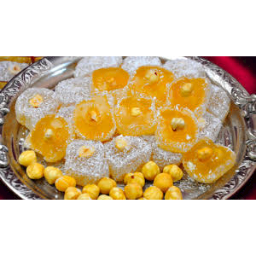
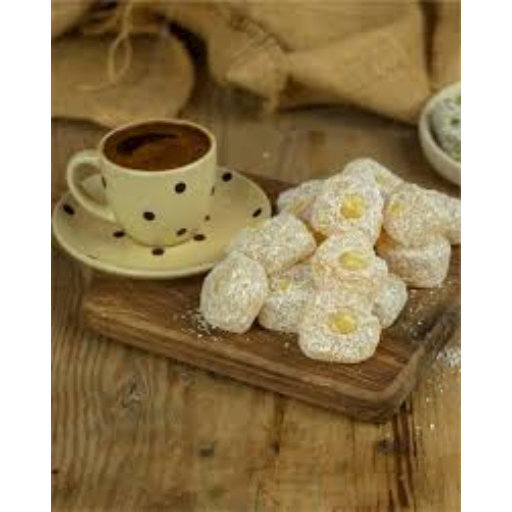
-The most important feature of Safranbolu Turkish delight is its lighter flavor compared to other Turkish delights. It doesn't leave a sweet aftertaste. Furthermore, the saffron added to it imparts a distinctive flavor. It comes in plain, saffron-infused, double-roasted, rose, and hazelnut varieties.
- The saffron plant is one of the world's most valuable spices. Known for its purple flowers and red stigmas, it is cultivated specifically in the Safranbolu region.
Characteristics of Saffron:
- It blooms in autumn and grows to a height of approximately 20-30 cm.
- The red stigmas at the center of the flower are used as a spice.
- Only half a kilogram of saffron is produced from 75,000 flowers, making it very expensive.
- It is on the UNESCO Cultural Heritage List.
The saffron plant (Crocus sativus) is a bulbous cultivated plant belonging to the Iridaceae family, blooming in autumn, 20-30 cm tall. One of the most expensive spices in the world, saffron is one of the rare plants grown in Safranbolu.
Characteristics of Saffron:
- Its flowers are purple and its stigmas are reddish orange.
- Only 1 kg of dry saffron is obtained from 100,000 to 140,000 flowers.
- It can dye 100,000 times its own weight in water yellow.
- It is known to have appetite-stimulating, nervous system-stimulating and menstrual-regulating effects.
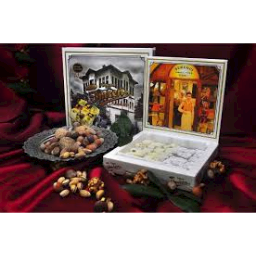


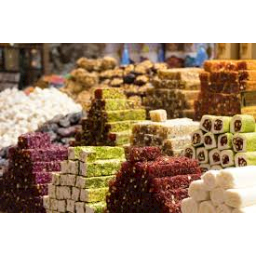
We ate traditional food in Türkiye, participated in activities with local people, attended Turkish night, danced and sang songs.
We made our second mobility in the project to the Netherlands. We went to the very cute town of Nijverdal in the Netherlands.
Nijverdal is a town in the municipality of Hellendoorn in Overijssel, the Netherlands. It has a population of approximately 25,000 and is one of the major settlements in the region.
For a week, we participated in group activities. We went on a trip to Rotterdam, saw the Erasmus Bridge, and took a cruise. We ate traditional Dutch food. We attended a Dutch cultural night at school, dancing and singing. We were seen in the homes of Dutch student families. This made for a detailed and wonderful week of Dutch culture and social life.
Officially known as the "Kingdom of the Netherlands," the Netherlands has a unique geography. The country lies very close to sea level and is considered a flat country. Approximately a quarter of its surface area and a fifth of its population are below sea level. Today, it is known for its unique flower fields, historic windmills, delicious cheeses, wooden shoes, and beautiful museums.
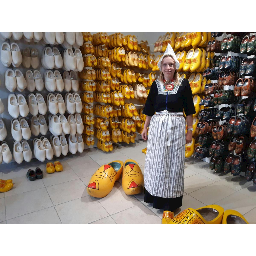
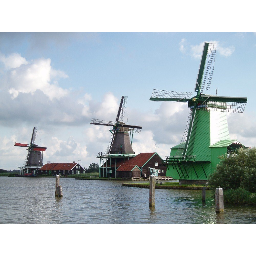
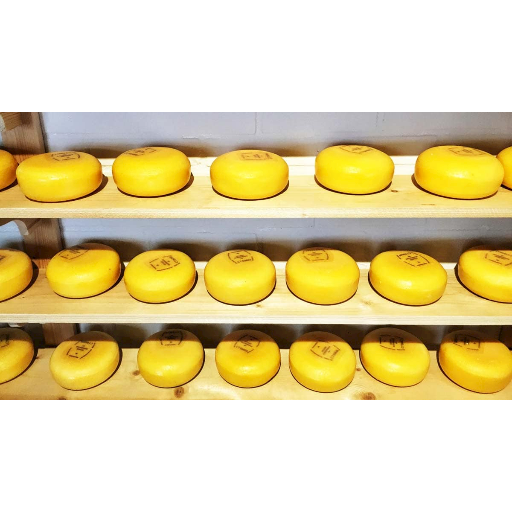
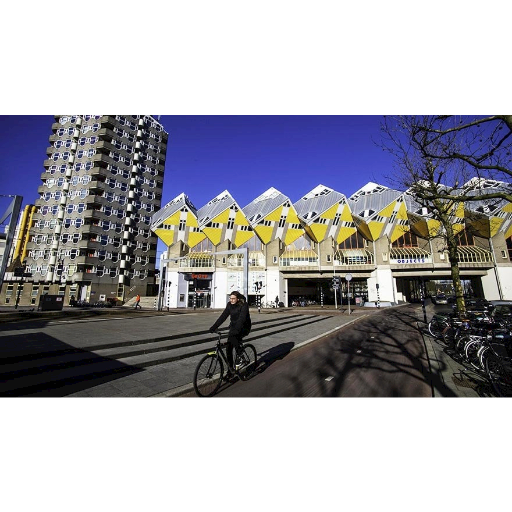
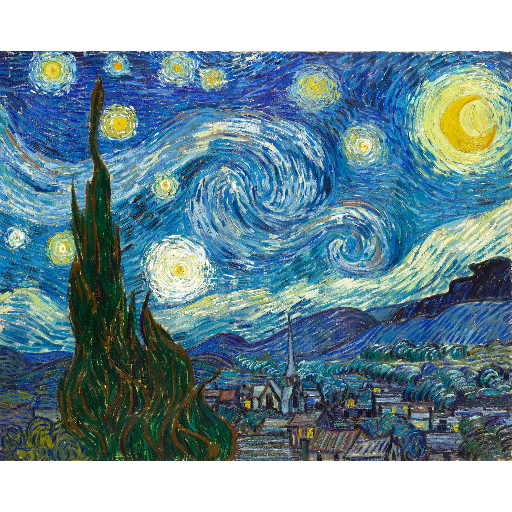
The Netherlands is a European country known for its rich cultural heritage, impressive art scene and advanced water management. Its historic cities include Amsterdam, famous for its canal network, Rotterdam, an architectural wonder, and Utrecht, with its historic fabric. Great artists such as Van Gogh and Rembrandt came from these lands. The country is symbolized by its windmills, tulip fields and cheese, and is also known for its liberal and tolerant nature. Its UNESCO-protected areas reflect its historical values intertwined with modern life. Thanks to its cultural diversity and open-minded society, the Netherlands is a fascinating place to live and explore.
Our third move was to Argalasti, Greece.
Argalasti is a historic village located on the Pelion Peninsula in the Thessaly region of Greece. It is known for its traditional Greek architecture, natural beauty, and cultural atmosphere.
Argalasti Highlights
- History and Architecture – The village is notable for its stone-paved streets, neoclassical buildings, and traditional Greek houses.
- Monasteries and Churches – The Church of Agios Nikolaos is particularly famous for its Venetian-style bell tower.
- Natural Beauty – Argalasti is nestled in the lush greenery of Pelion and is surrounded by magnificent beaches.
Greek culture has had a profound impact on the world through its ancient heritage, art, cuisine, and traditions. Some important aspects of Greek culture:
1. Ancient Greek Heritage
- Philosophy – Philosophers such as Socrates, Plato, and Aristotle laid the foundations of Western thought.
- Mythology – Greek mythology, replete with gods such as Zeus, Athena, and Poseidon, has profoundly influenced art and literature. - Theater – Tragedy and comedy flourished in Ancient Greece, and writers such as Sophocles and Aristophanes left behind great works.
2. Art and Architecture
- The Acropolis and the Parthenon – These structures in Athens are among the most important examples of Greek architecture.
- Sculpture – Ancient Greek sculptures are works of art that perfectly reflect human anatomy.
- Modern Art – Greece also holds a significant place in the contemporary art and music scene.
Famous dishes:
- Moussaka (moussaka)
- Souvlaki (shish kebab)
- Tzatziki (yogurt cucumber sauce)
- Dolma (vine leaves)
Greece boasts many important sites on the UNESCO World Heritage List, reflecting its rich cultural and historical heritage. Here are some:
- The Acropolis of Athens: One of the most important structures of ancient Greece, the Acropolis is considered the birthplace of democracy and art.
- The Ancient City of Delphi: Delphi, one of the most important oracle centers of the ancient world, is famous for the Temple of Apollo.
- The Monasteries of Meteora: Built on cliffs, these monasteries are notable for both their natural beauty and their religious significance.
- The Ancient City of Olympia: Olympia, the birthplace of the Olympic Games, is a significant center where sports and culture come together.
Finally, we visited Gela, Italy.
Gela has been influenced by many civilizations throughout its history. It continued to flourish during the Roman Empire and was ruled by various powers in the Middle Ages. Today, Gela is known as one of Sicily's important industrial and agricultural centers. The city is notable for its historical ruins, beautiful beaches, and cultural heritage.
Gela, a city located on the southern coast of Sicily, stands out for its rich historical heritage. Here are some of Gela's important cultural and historical sites:
- Acropolis: Dating back to the ancient Greek period, this site is one of Gela's most important archaeological sites.
- Regional Archaeological Museum: The museum, displaying artifacts that shed light on the city's history, houses many important finds from ancient times.
- Capo Soprano Archaeological Site: Remains of Hellenistic-era defensive walls can be seen here.
- Ancient Greek Temple of Athena: Gela's ancient temple. Torre di Manfria (Manfria Tower): Located approximately 10 km from the city center, this tower is one of the historic defensive structures.
- Castelluccio (Small Castle): Built in the early 13th century, this castle is one of the important structures that preserve Gela's historical fabric.
- Biviere di Gela Nature Reserve: Located among the sand dunes, this lake is known as an important nature area for bird watchers.
Capo Soprano: Defensive walls from the Hellenistic period.
Molino a Vento: Remains of three temples dedicated to Athena and Protocorinthian ceramics.
Medieval structures such as Porta Marina, Castelluccio, and the Manfria Tower are still standing.
The Gela Archaeological Park preserves traces of the city from prehistory to the Middle Ages.
- Full access to our public library
- Save favorite books
- Interact with authors
- < BEGINNING
- END >
-
DOWNLOAD
-
LIKE
-
COMMENT()
-
SHARE
-
SAVE
-
BUY THIS BOOK
(from $10.59+) -
BUY THIS BOOK
(from $10.59+) - DOWNLOAD
- LIKE
- COMMENT ()
- SHARE
- SAVE
- Report
-
BUY
-
LIKE
-
COMMENT()
-
SHARE
- Excessive Violence
- Harassment
- Offensive Pictures
- Spelling & Grammar Errors
- Unfinished
- Other Problem






COMMENTS
Click 'X' to report any negative comments. Thanks!