Olive Green- Organic Chemistry
Teal- Nuclear Chemistry
Mint Green- Stoichiometry
Light Blue- Matter
Purple- Atom and Periodic Table
Blue- Chemical Reactions

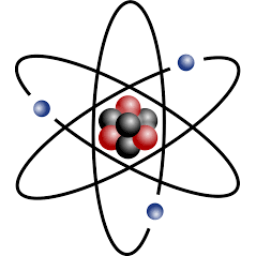
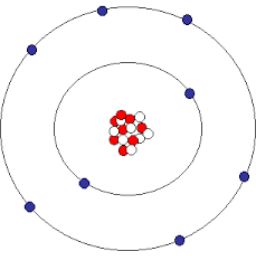
Atom
The basic building block that makes up all chemical elements. It is the smallest unit of matter. Atoms can be divided.

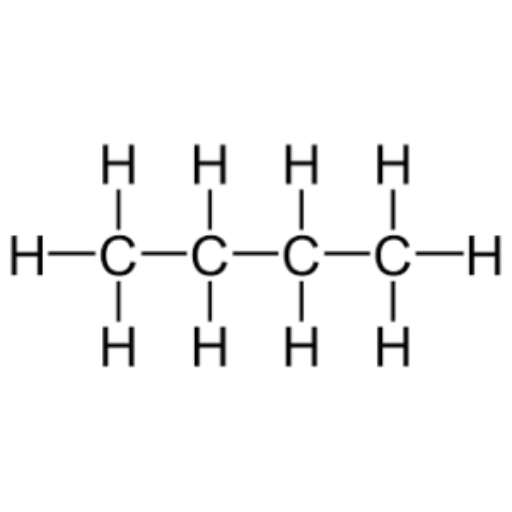
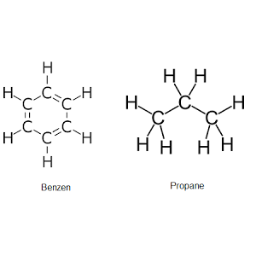
Butane is an alkane. That means that it is a single bond. Its formula is C4H10.
Butane

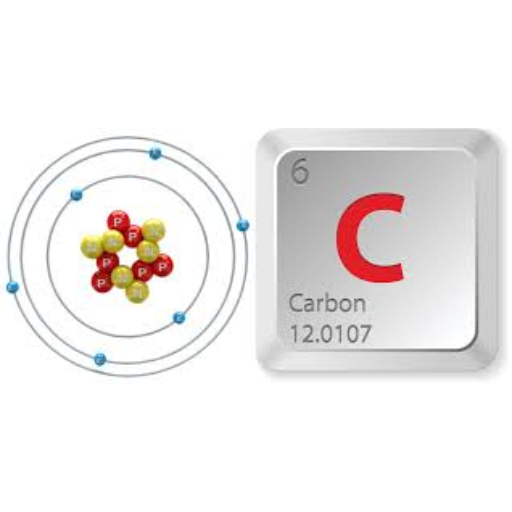
Carbon
Carbon is a chemical element. Its symbol is C on the periodic table. It has an atomic number of 6.

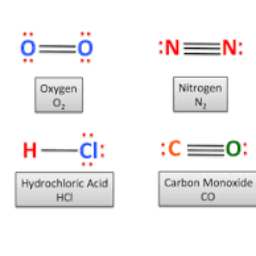
Diatomic Molecule
A diatomic molecule is composed of two atoms. These two atoms can be the same or different elements. An example would be O2.

Electron Configuration
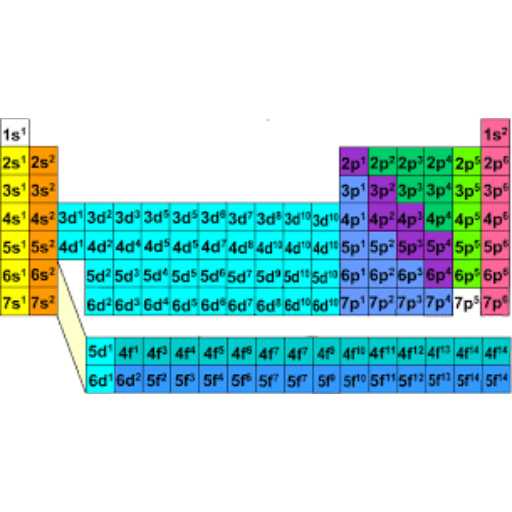
The distribution of of electrons. It describes where the electrons are located around the nucleus. For example, lithium is 1s²2s¹.

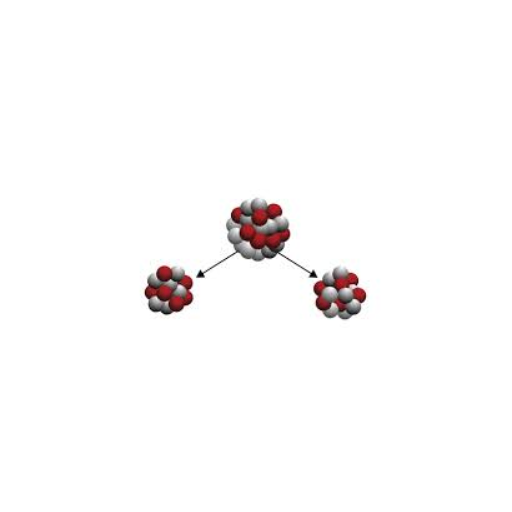
Fission
A reaction the occurs in the nucleus. This reaction causes the nucleus to split into two or more smaller nuclei. This reaction releases energy.

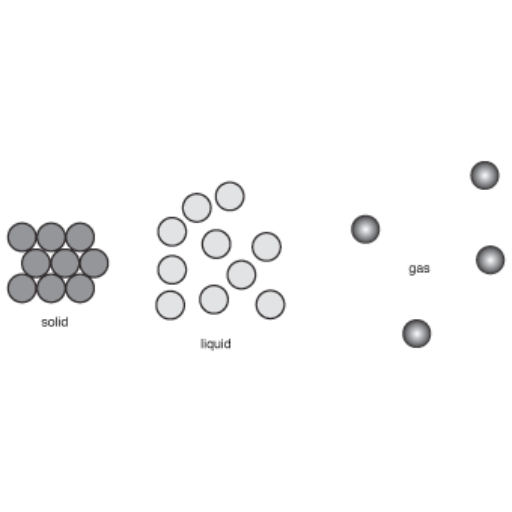
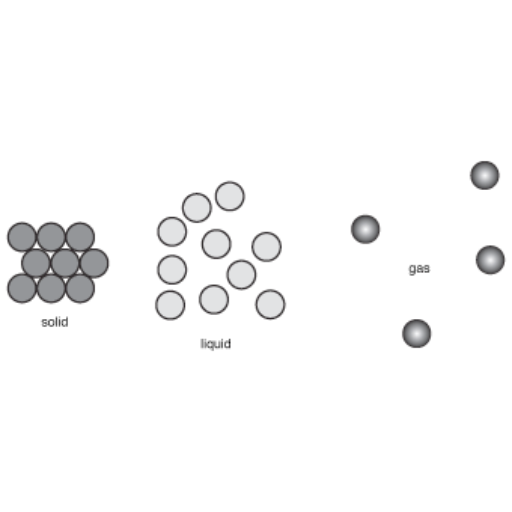
Gas
One of the three states of matter. In this state, particles are free flowing and moving quickly. You can get gas from heating a liquid ie. evaporation.

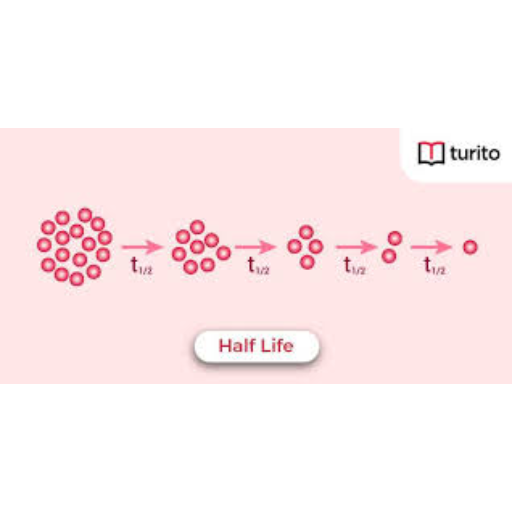
Half-Life
The time it takes for something to lose half of its value. This is usually used when talking about radioactive substances. For example, if a substance has a half life of 10 years, then 50mg would become 25mg, then 17.5mg, and so on.

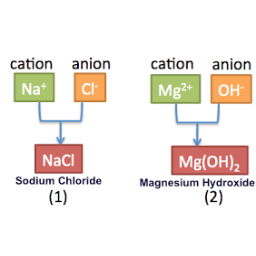
Ions
An atom (or group of atoms) that have an electric charge. If an ion has a negative charge it is called and anion. If it has a positive charge it is called an cation.

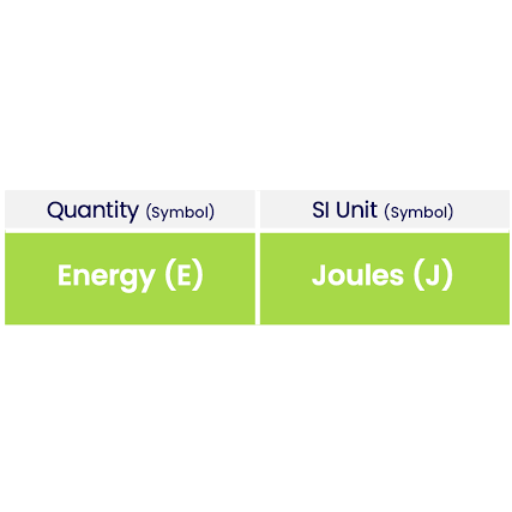
Joule
A joule is a unit of measurement. This represents the energy per amount of substance. 1 Joule is equal to 1 Watt-second.

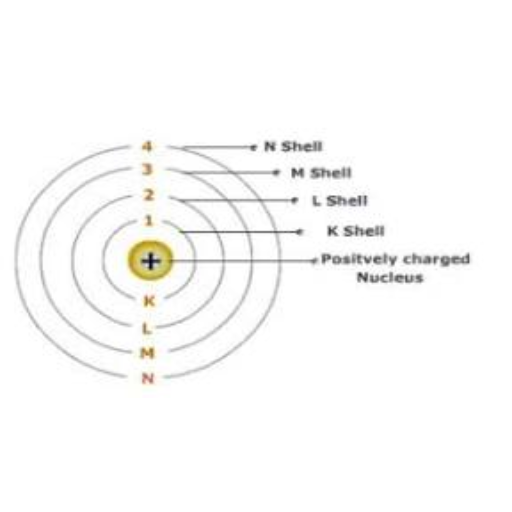
K-Shell

The K-Shell is the innermost shell of electrons. It contributes the lowest amount of energy. It also represents first level of energy.
Liquid
One of the three states of matter. The molecules are semi free flowing and move at a steady pace. It was a definite volume but no fixed shaped.

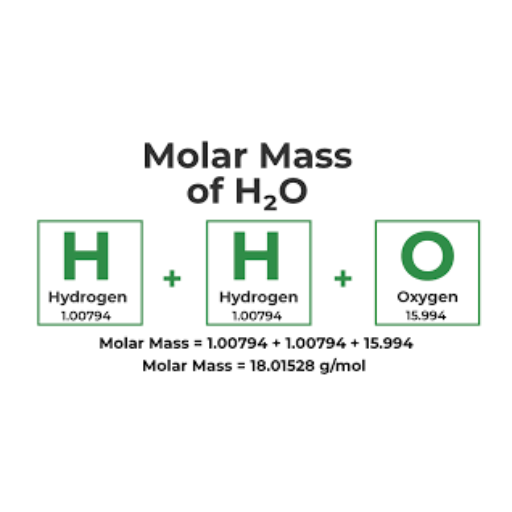
Molar Mass
Molar mass is mass per mole. The molar mass equation is M=m/n. The mass of a substance (in grams) is represented by m, and the number of moles of a substance is represented by n.

Naming Chemical Equations
To properly name substances, chemists employ nomenclature rules. Compounds that are molecular and ionic are called somewhat differently. The nonmetal name is written with its ending converted to -ide, and then the name of the metal.

Organic
1). In general, scientists classify a molecule as organic if it has at least one additional element in addition to carbon. According to several definitions, a molecule is considered organic if it has both hydrogen and carbon.
2). A branch of chemistry known as "organic chemistry" is the scientific study of the composition, characteristics, and interactions of organic molecules.

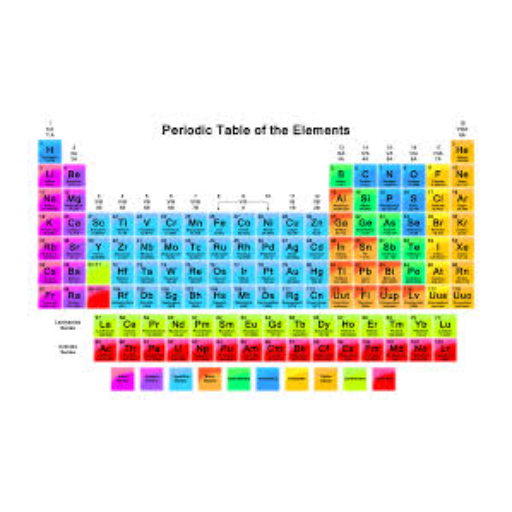
Periodic Table of Elements
The chemical elements are arranged in an organized fashion into rows and columns to form the periodic table, commonly referred to as the periodic table of elements. It is frequently used in physics and other fields and is a symbol of chemistry. It displays 118 elements.

- Full access to our public library
- Save favorite books
- Interact with authors

- < BEGINNING
- END >
-
DOWNLOAD
-
LIKE
-
COMMENT()
-
SHARE
-
SAVE
-
BUY THIS BOOK
(from $5.39+) -
BUY THIS BOOK
(from $5.39+) - DOWNLOAD
- LIKE
- COMMENT ()
- SHARE
- SAVE
- Report
-
BUY
-
LIKE
-
COMMENT()
-
SHARE
- Excessive Violence
- Harassment
- Offensive Pictures
- Spelling & Grammar Errors
- Unfinished
- Other Problem

COMMENTS
Click 'X' to report any negative comments. Thanks!