

Academic Vocabulary and Language
Strategy One


What is Academic Vocabulary and Language?
Academic vocabulary and language are the specific terms and phrases used in a classroom.


Applying it in Physical Education
In Physical Education, using academic words and language can help students have a better comprehension of movement ideas and skills. For example, while teaching a basketball lesson, using vocabulary like "dribble," "pass," and "shoot" helps kids have a better understanding of the game.
Visual tools, like posters or flashcards, can help improve word memory. Incorporating language exercises, like discussing expectations or methods in small groups, allows students to practice using academic language.
Strategy Two
Cooperative Learning

Definition:
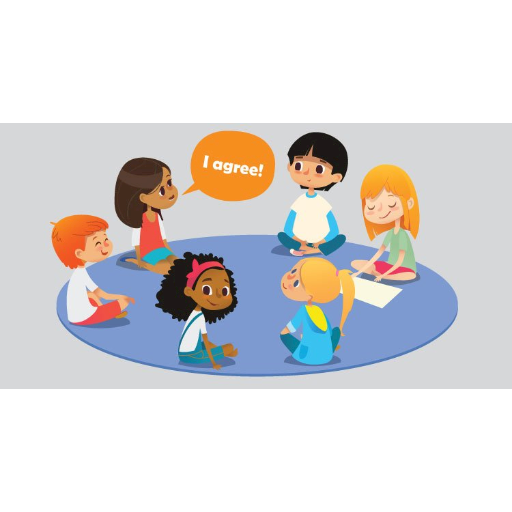
Cooperative learning is students collaborating in small groups that accomplish a common objective, with everyone contributing to the team's success.

Applying it in Physical Education
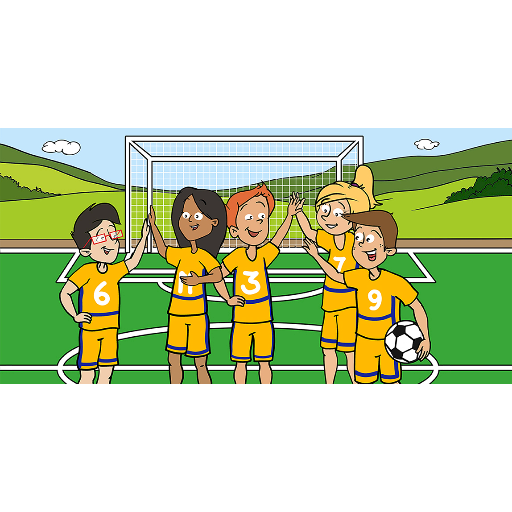
Cooperative learning is very helpful in Physical Education activities since it encourages cooperation, communication, and social skills. For example, in team sports like soccer or volleyball, students can work together to create plans, practice abilities, and compete against other teams. Giving tasks within each group, like a captain, strategic planner, or encourager, allows students to take leadership roles and assist one another. Cooperative learning encourages connection in kids, making physical activities more fun and fair.
Strategy Three
Effective Questioning


What is Effective Questioning?
Effective questioning is asking thought-provoking questions that encourage critical thinking, increase engagement, and determine understanding.
Applying it in Physical Education
In Physical Education, good questioning allows students to think about their movements, methods, and overall performance. For example, after completing a fitness activity, the teacher can ask, "Which exercise did you find most challenging, and why?" or "How could you modify this activity to make it more challenging?" This encourages students to reflect on their experiences, find areas for improvement, and think of new solutions. Incorporating open-ended questions into instruction or games also teaches students to examine situations, make choices, and effectively express their ideas.
Strategy Four

Hands-On Learning
Definition:
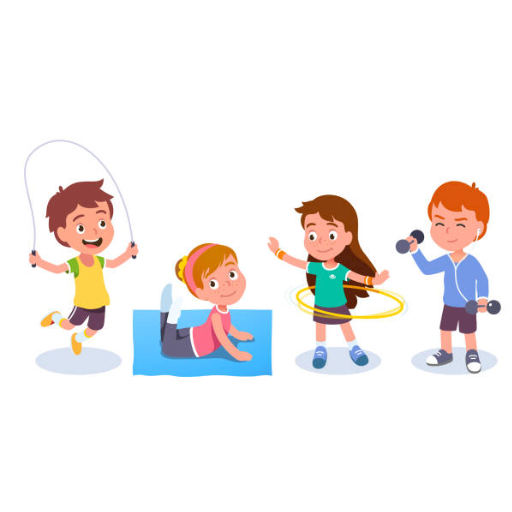
Hands-on learning means actively engaging students in physical activities in which they handle things or do tasks to get a better grasp of topics.
Applying it in Physical Education
Hands-on learning is essential in Physical Education because it enables students to apply academic concepts to real-world circumstances. For example, when teaching basic movements such as jumping or balancing, giving kids the opportunity to actively practice these abilities promotes learning and enhances performance. Using equipment like cones, ropes, or balls allows students to experiment with different movements and techniques. Hands-on learning promotes kinesthetic awareness and motor skill development, establishing the basis for physical exercise and healthy lifestyles.
Strategy Five

Cues, Questions, and Activating Prior Knowledge
Definition:
This involves motivating students with particular questions or visual cues to remember important information and relate new learning to their current knowledge.
- Full access to our public library
- Save favorite books
- Interact with authors

- < BEGINNING
- END >
-
DOWNLOAD
-
LIKE
-
COMMENT()
-
SHARE
-
SAVE
-
BUY THIS BOOK
(from $4.79+) -
BUY THIS BOOK
(from $4.79+) - DOWNLOAD
- LIKE
- COMMENT ()
- SHARE
- SAVE
- Report
-
BUY
-
LIKE
-
COMMENT()
-
SHARE
- Excessive Violence
- Harassment
- Offensive Pictures
- Spelling & Grammar Errors
- Unfinished
- Other Problem

COMMENTS
Click 'X' to report any negative comments. Thanks!