







Main Points on Tense and Aspect
1. Diversity of Language Systems:
- Every language presents a unique solution to expressing time and aspect. This diversity is systematic and reflects how different cultures address similar communicative challenges.
2. Tenseless Languages:
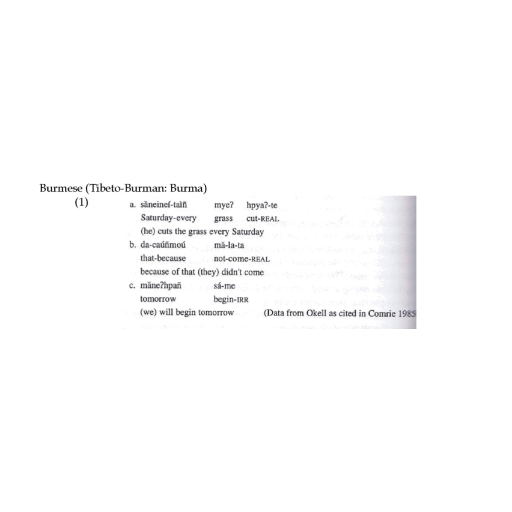
- Some languages do not have grammaticalized tense but use temporal adverbials or mood markers to imply time. For instance, Burmese relies on context and mood rather than overt tense marking.
3. Aspectual Interrelations:
- Tense and aspect are often intertwined. For example, in French, past tenses can convey different aspectual meanings, demonstrating how languages can merge these categories.
4. Nominal Tense:
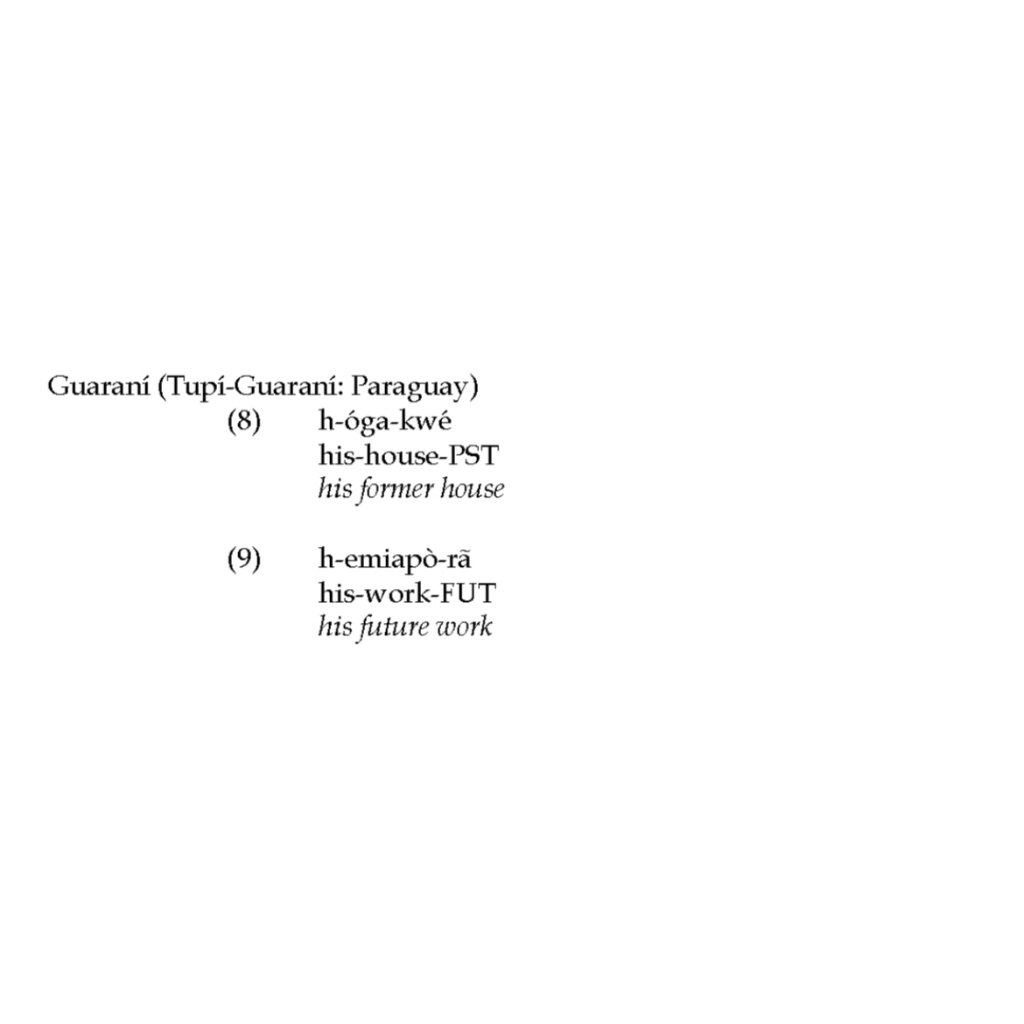
- Tense can also be marked on noun phrases, as seen in Guarani, where nouns indicate past or future references, challenging the assumption that tense is solely a verbal category.
5. Variation in Tense Systems:
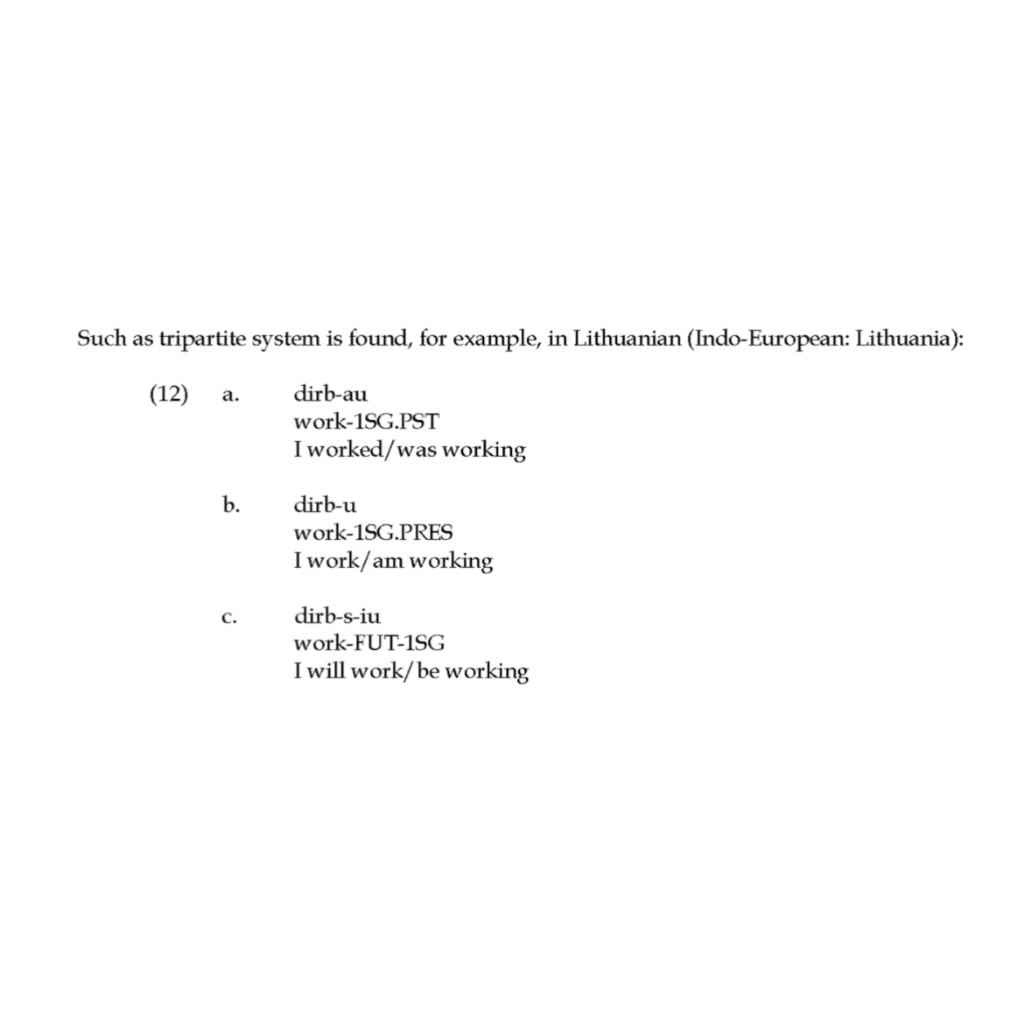
- Languages divide the concept of time differently. For example, Lithuanian has a tripartite tense system (past, present, future), while many languages operate with binary distinctions (e.g., non-past vs. past).
6. Aspectual Distinctions:
- A significant number of languages mark the perfective vs. imperfective aspect. This distinction is crucial for understanding how events are perceived and described.
Interesting Examples


1. Burmese (Tibeto-Burman):
This illustrates that Burmese uses adverbials and mood rather than tense to convey time.

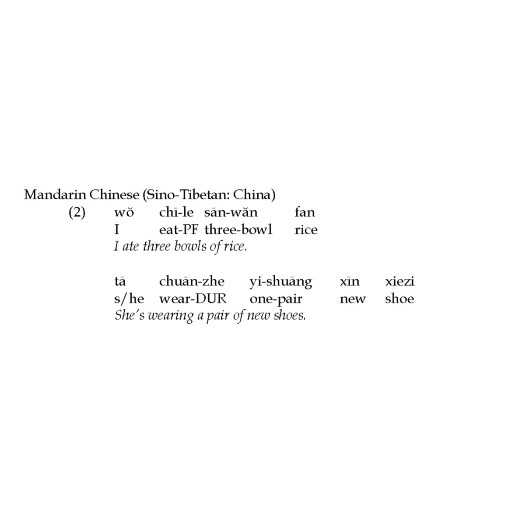
2. Mandarin Chinese:
Here, the perfective aspect is closely associated with past time, despite Mandarin lacking explicit tense markers.

3. Guarani (Tupi-Guarani):
Demonstrating how nouns can be marked for tense, challenging the traditional view that tense is solely a verbal feature.

4. Lithuanian:
- Example: "dirb-au" means "I worked," showcasing the tripartite tense system that clearly delineates past, present, and future.

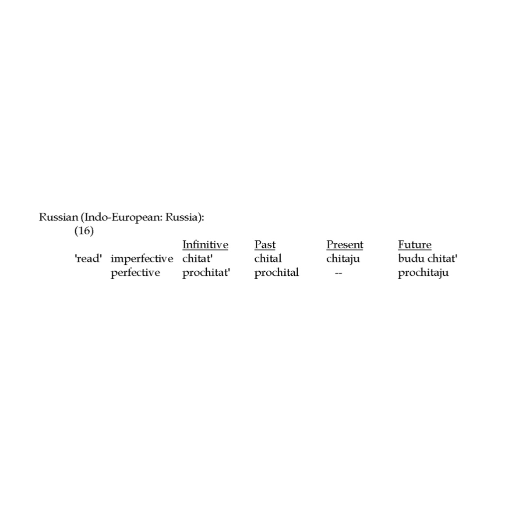
5. Russian:
- The distinction between perfective and imperfective verbs (e.g., "chitat'" vs. "prochitat'") illustrates how a single verb form can convey different aspectual meanings, depending on the context.

These points and examples highlight the complexity and richness of tense and aspect systems across languages, emphasizing the need for a broader perspective beyond familiar linguistic categories.
THE END!
- Full access to our public library
- Save favorite books
- Interact with authors

- < BEGINNING
- END >
-
DOWNLOAD
-
LIKE
-
COMMENT()
-
SHARE
-
SAVE
-
BUY THIS BOOK
(from $4.99+) -
BUY THIS BOOK
(from $4.99+) - DOWNLOAD
- LIKE
- COMMENT ()
- SHARE
- SAVE
- Report
-
BUY
-
LIKE
-
COMMENT()
-
SHARE
- Excessive Violence
- Harassment
- Offensive Pictures
- Spelling & Grammar Errors
- Unfinished
- Other Problem

COMMENTS
Click 'X' to report any negative comments. Thanks!