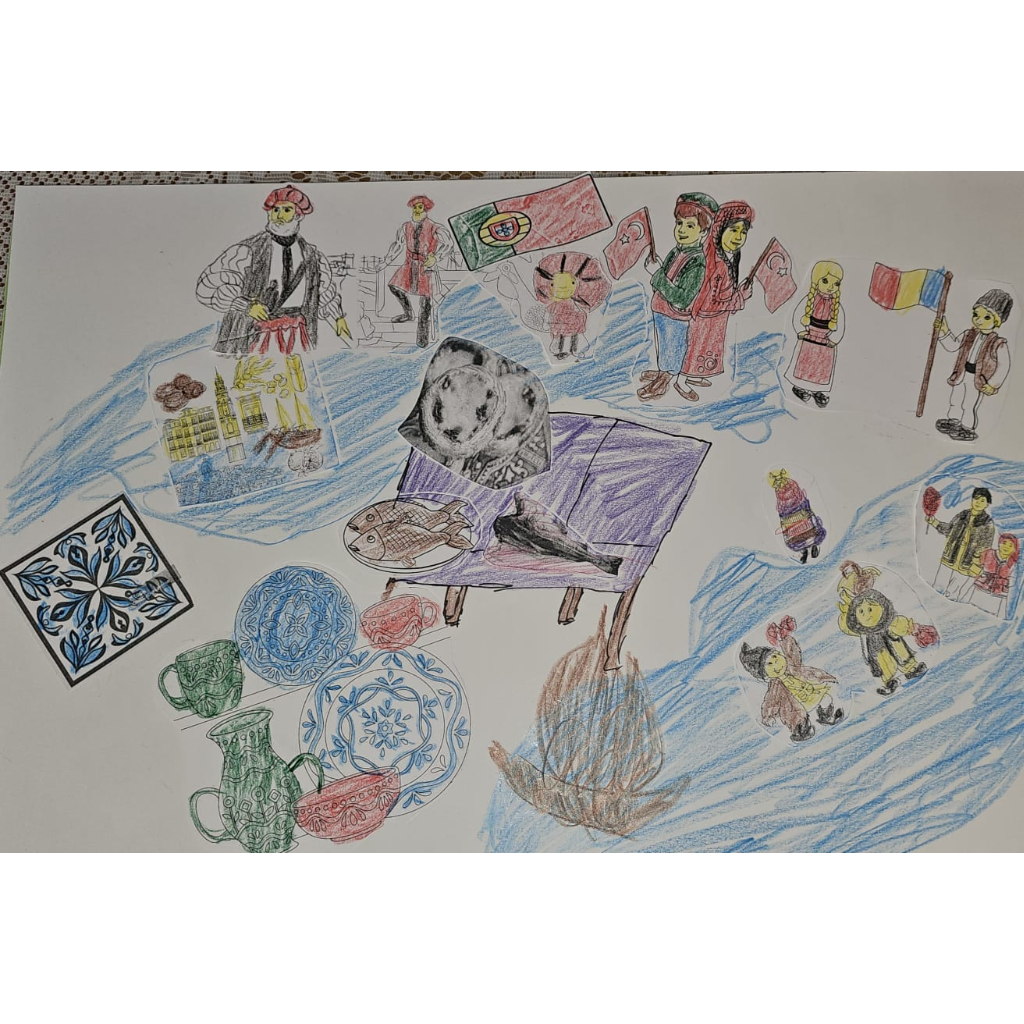
In this project, with this collaborative book, the children discover the cultural values of our country and learn the traditions of different regions. They has the opportunity to share their culture by collaborating with children from other countries.

Once upon a time, in a beautiful village in Turkey, there lived four friends: Elif, Can, Zeynep and Ali. One day, their great-grandfather Erkut decided to tell them a story introducing them to different countries.
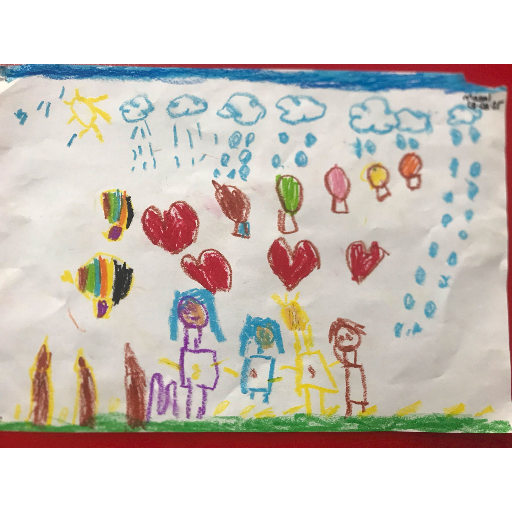
“You know, children,” said grandfather Erkut, “Turkey is a country full of historical and cultural riches. Here, there are beautiful mosques, ancient ruins and wonderful nature. For example, have you ever seen the fairy chimneys of Cappadocia? Think of people floating in the sky with balloons.

Elif said excitedly, “Yes, grandpa! I would love to see the beauty of Cappadocia!” Her grandfather played a 3D film introducing Cappadocia for them and they were mesmerized while watching it. Grandpa Erkut said, “Hospitality is very important in Turkish culture, children. Hosting our guests in the best way possible is our most beautiful tradition. Family is the fundamental building block of Turkish society. Solidarity, love and respect within the family are at the forefront. Younger people always respect their elders.
Elders always protect and love their younger ones.
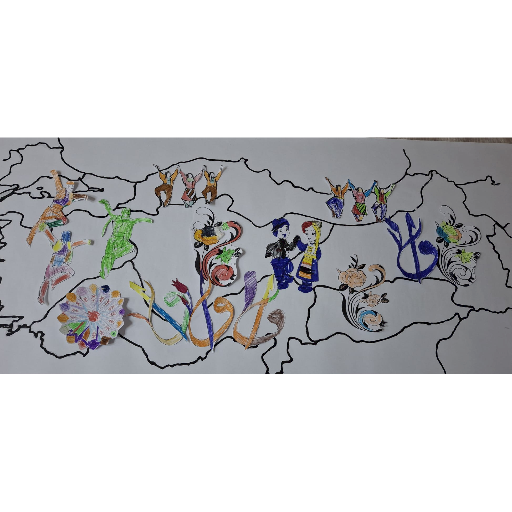
Traditional arts such as marbling art, calligraphy and illumination are important parts of Turkish culture. Turkish folk music and folkloric dances (for example, zeybek and horon) are important elements of cultural heritage. Turkey is divided into 7 regions and there are various dances belonging to each region. Horon is a dance belonging to the Black Sea Region while Zeybek dance belongs to the Aegean Region.
Every corner of our country has colorful beauties like a mosaic.
We celebrate our religious holidays such as Ramadan and Eid al-Adha, and our national holidays on April 23, May 19, October 29 and August 30 with enthusiasm, these holidays are important moments of social solidarity and sharing.
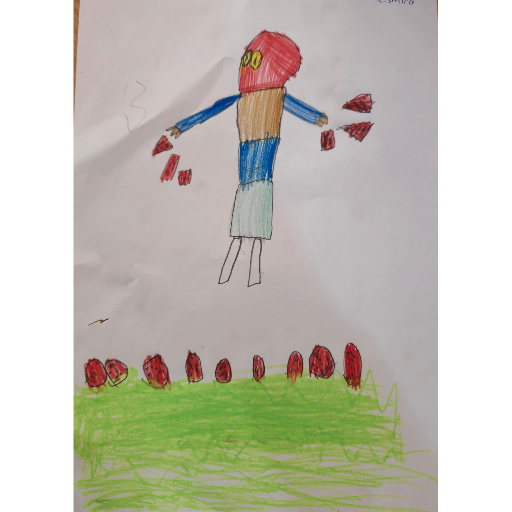
Grandfather Erkut continued his story the next day: “Let’s go to Romania now. Romania is a country full of fairy tales. There are interesting places there, such as Dracula Castle. The people of Romania are very attached to their traditions and are famous for their dances. Can asked, “I wish we were in Rome right now. How do we have fun dancing in Romania?”
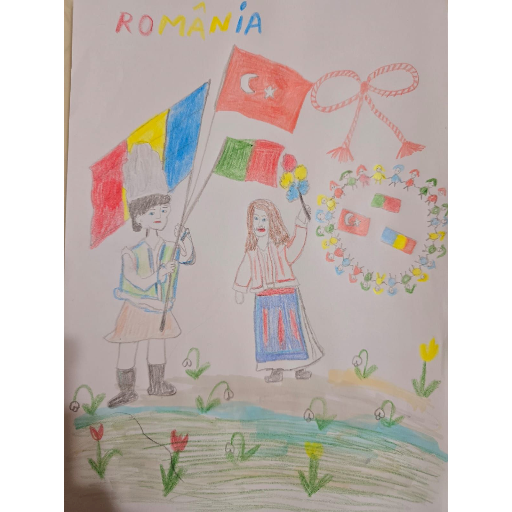
The grandfather smiled and said, “Their folk dances are very joyful. When they dance together, their friendships are strengthened. In Romania, especially in the countryside, traditional festivals and celebrations are of great importance. For example, the “Mărțișor” festival, celebrated at the beginning of March, symbolizes the arrival of spring. Romania’s rich folklore is full of fairy tales and legends. The Dracula legend is one of the best-known examples of this cultural richness. Romania is famous for its folk music and dances. Traditional dances, especially “hora” and “sârba,” bring the community together. People are filled with happiness and have fun that day.
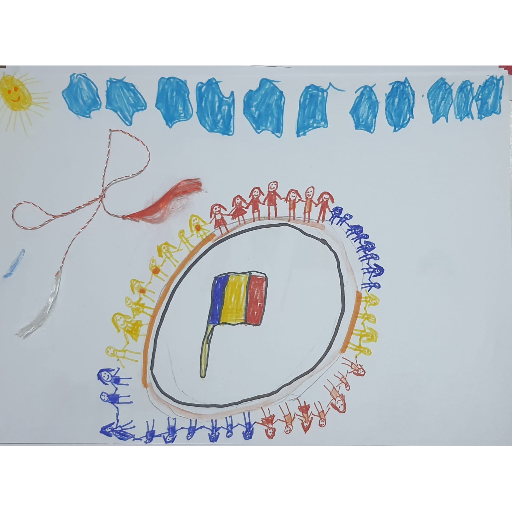
Traditional handicrafts, especially ceramics, woodworking and weaving, are important parts of Romania’s cultural identity. The family structure is strong in Romania and solidarity within the community is important. Great respect is shown to the elderly within the family. Respect for the elderly is important in every culture, children said.
The children dispersed to their homes. At home, they told their mothers and fathers about the places that Grandpa Erkut had told them about as if they had seen them. The following week, these friends visited Grandpa Erkut again.
They began to listen to Grandpa Erkut with excitement.
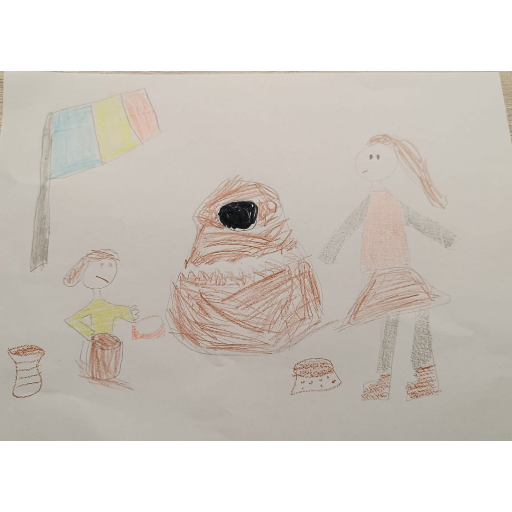
Then the grandfather told us about Portugal: “Portugal is a country surrounded by the ocean. The waves in the sea have allowed sailors to make discoveries. Portugal’s history is full of the sea. Also, Fado music is very emotional and beautiful. And he got up and played Fado music for the children.
Zeynep said, “Listening to Fado is like sitting by the sea, isn’t it, Grandpa?”
Grandfather Erkut said, “Yes, Zeynep, when you listen to Fado, you are in touch with the sea, history and culture. The country’s connection with the sea is an inseparable part of its cultural identity. Fado is a musical genre full of deep emotions. It deals with themes of love, loss and sadness; it reflects the spirit of Portugal.
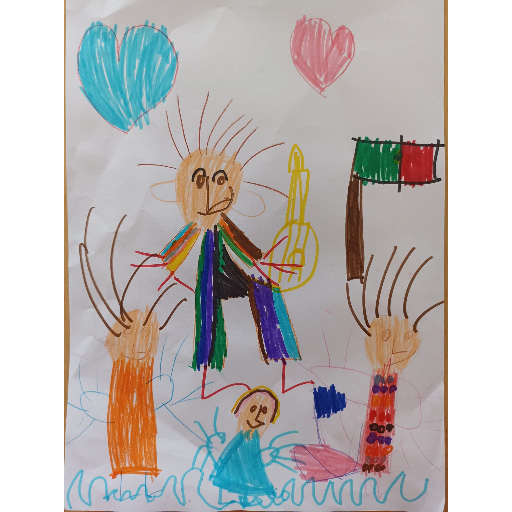
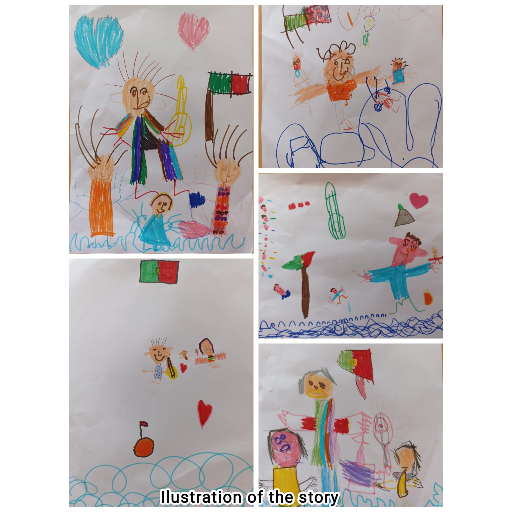
Portuguese cuisine is enriched with seafood, olive oil and spices. It is especially famous for "bacalhau" (dried cod) and "pastéis de nata" (custard dessert). Portugal is known for its ceramic and tile work. In particular, the colorful ceramics called "azulejos" are an important part of the architecture. Portugal is a country where different ethnic and cultural groups live together. This diversity has increased the cultural richness of Portugal.
'Dede said, "Each country has its own values, dear children. Hospitality stands out in Turkey, traditions in Romania, and love of the sea in Portugal. Getting to know different cultures and respecting people from different countries brings us together and unites us." Ali asked, "I said it is really nice to get to know different cultures, but how can we show respect when we say respect for those cultures?"
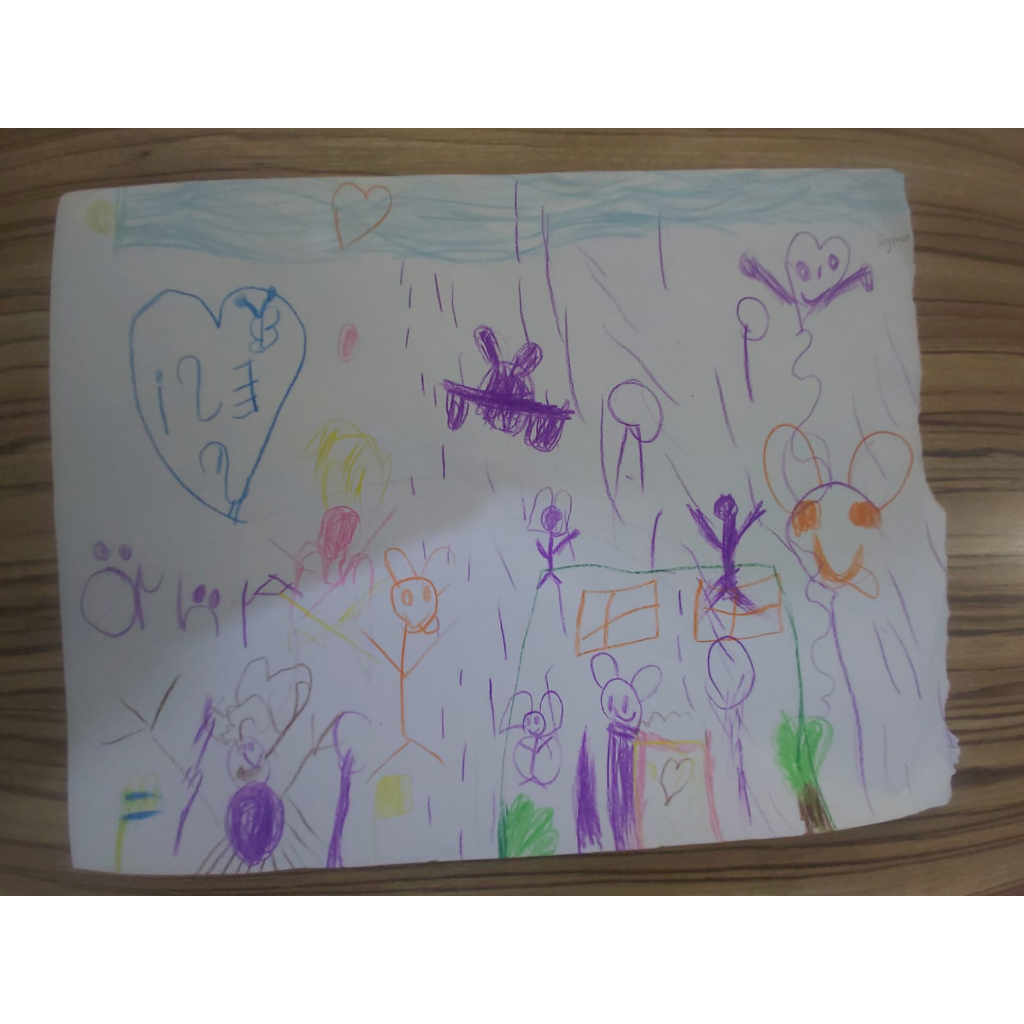
Dede said, “We can show respect by paying attention to the beauties of each culture, learning and approaching them with love. Showing respect to different cultures starts with understanding and appreciating them. Each culture is full of its own unique traditions, values and lifestyles.
First of all, it is very important to listen and learn about other cultures. By listening to the stories of different people, we can better understand their lives and values.
This helps us empathize.
- Full access to our public library
- Save favorite books
- Interact with authors
- < BEGINNING
- END >
-
DOWNLOAD
-
LIKE(1)
-
COMMENT()
-
SHARE
-
SAVE
-
BUY THIS BOOK
(from $6.39+) -
BUY THIS BOOK
(from $6.39+) - DOWNLOAD
- LIKE (1)
- COMMENT ()
- SHARE
- SAVE
- Report
-
BUY
-
LIKE(1)
-
COMMENT()
-
SHARE
- Excessive Violence
- Harassment
- Offensive Pictures
- Spelling & Grammar Errors
- Unfinished
- Other Problem






COMMENTS
Click 'X' to report any negative comments. Thanks!