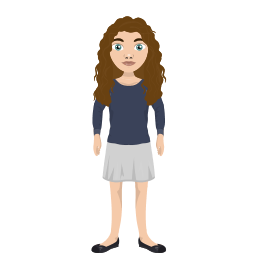
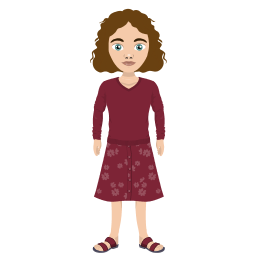
My name is Fiona Baird. I’m 14 and moved from Scotland to America with my family. We hoped to find the “American Dream” here, but it wasn’t easy. My dad and I worked long hours and faced unfair treatment because we were different. We lived in tough conditions, but we didn’t give up. We fought for things like women’s right to vote and better pay for our work. This journey made me stronger, and I’ll always remember my roots. I want to create a better life for my family. Today, many immigrants still come to America, working hard to build their dreams, but they face challenges just like we did.

My name is Fiona Baird, and I am fourteen years old. I was born in a small village in Scotland. My dad was a weaver, and my mom took care of our home.
Life was tough, and we didn’t have much money. When my dad left for America to find work, we knew it was our best chance for a better life.
Months later, my mom, my younger brother Ewan, and I got ready to follow him across the ocean.
The dock in Glasgow was full of families like ours, holding their few belongings and saying goodbye to their home. The big steamship was waiting for us.

My mom held my hand tightly as we boarded and went to the crowded lower deck for the long journey ahead.
The ship was very different from home. We were crammed into small, stuffy rooms with many other people. The air smelled like seawater, sweat, and sickness.
The ship rocked back and forth, making my stomach feel funny. The food was simple—old bread and thin soup—and there wasn’t much fresh water. Time went by slowly as we got used to life on the ship. Many passengers got sick, and we all worried about being turned away when we arrived.
My mother tried to keep us positive, reminding us that America would bring new chances. I really wanted to feel solid ground, fresh air, and the new life we had been promised.
After weeks at sea, we finally saw land on the horizon. The first sight of the Statue of Liberty filled me with hope, but I was still nervous. Ellis Island was packed with immigrants, all waiting to be checked.
We were lined up in long rows, where doctors checked us and inspectors asked many questions about our names, where we came from, and why we were coming. I stood quietly while my dad answered for us, my heart racing.
I knew if we didn’t pass the inspection, we could be sent back. Finally, after what felt like hours, we were allowed to enter America. A wave of relief washed over me as we stepped onto American soil.

New York City was unlike anything I had ever seen. The streets were full of people speaking different languages, carriages rattled over the cobblestones, and tall buildings reached into the sky. We moved into a tenement, a busy apartment building with many immigrant families like ours.
The air was thick with the smells of cooking and laundry, and the walls were thin. My dad had already found work in a factory, but money was still tight. I wanted to help, so I took a job at a textile mill.
The factory was hot, loud, and dangerous. The machines moved quickly, and I had to be careful not to get my fingers caught. The hours were long, and by the end of the day, my body hurt, but I knew I had no choice.
Life in America was not the dream I had imagined. Work was tiring, and the factory was unsafe.
Accidents happened often, and I saw many workers get hurt without any help from the factory owners. We had no choice but to keep working, or we would starve.
Even with all the hard times, I found comfort in the friendships I made. Many girls at the mill were immigrants like me, and we shared our struggles.
We all missed our homelands, but we also hoped for something better. One evening, I heard about a place called Hull House, a center that helped immigrants.
They offered classes, food, and medical care. My mom agreed to let me go after work, and for the first time since arriving in America, I sat in a classroom again.
At Hull House, I learned to read and write in English. Education gave me hope that I could do more than just work in the factory. I met women who believed immigrants deserved better lives, and they encouraged me to dream beyond the walls of our tenement.
The factory conditions got worse, and workers started talking about a strike. Many of us were tired of the long hours and unfair pay. I was scared, but I knew things had to change.

- Full access to our public library
- Save favorite books
- Interact with authors
- < BEGINNING
- END >
-
DOWNLOAD
-
LIKE
-
COMMENT()
-
SHARE
-
SAVE
-
BUY THIS BOOK
(from $2.99+) -
BUY THIS BOOK
(from $2.99+) - DOWNLOAD
- LIKE
- COMMENT ()
- SHARE
- SAVE
- Report
-
BUY
-
LIKE
-
COMMENT()
-
SHARE
- Excessive Violence
- Harassment
- Offensive Pictures
- Spelling & Grammar Errors
- Unfinished
- Other Problem






COMMENTS
Click 'X' to report any negative comments. Thanks!