Dedication
We dedicate this eBook to all language lovers, curious learners, and future explorers of Europe.
May this journey through languages and cultures inspire you to celebrate diversity, embrace differences, and keep learning with an open heart and mind.
With love,
The 9th Grade Students of
"Isak Alla" School,
Librazhd 2025

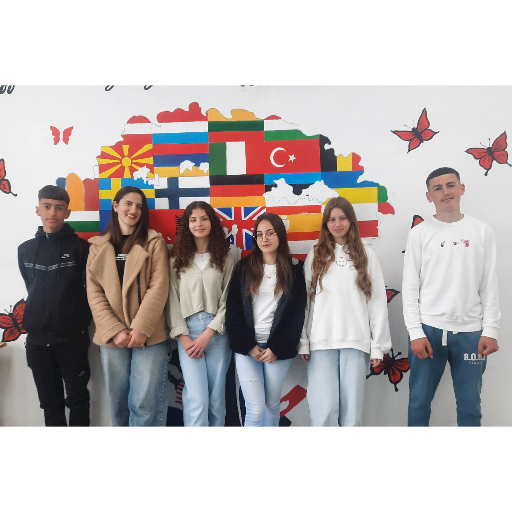
Meet the authors
Andi Lala
Ina Dobra
Elisjana Alla
Griselda Qoshi
Kejsi Ceveli
Mateo Kaca

Content
Chapter 1: European Languages........................................6
Chapter 2: Cultural Landmarks..........................................8
Chapter 3: Traditions and Festivals...................................11
Chapter 4: Gastronomy of Europe.....................................14
Chapter 5: European Arts and Literature.........................18
Chapter 6: European Customs and Etiquette...................20
Chapter 7: Fun Facts About Europe....................................22
Conclusion.............................................................................24
References.............................................................................25
Introduction
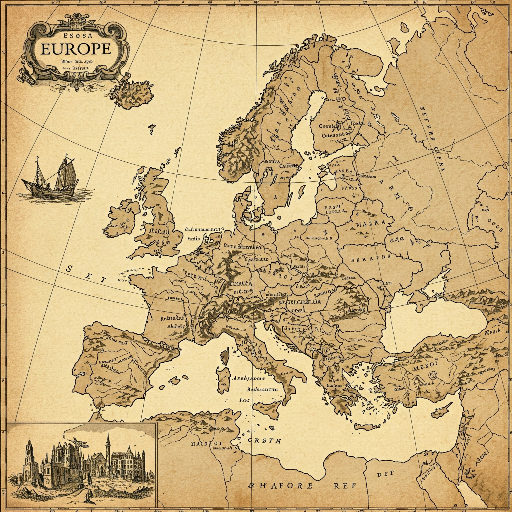
Europe is a continent rich in languages, cultures, and traditions. In this eBook, we take you on a colorful journey through countries, uncovering fun facts, unique traditions, and the beauty of multilingualism. Welcome to our project: Europe – A Mosaic of Languages and Cultures!"
The Importance of Understanding Different Languages and Cultures
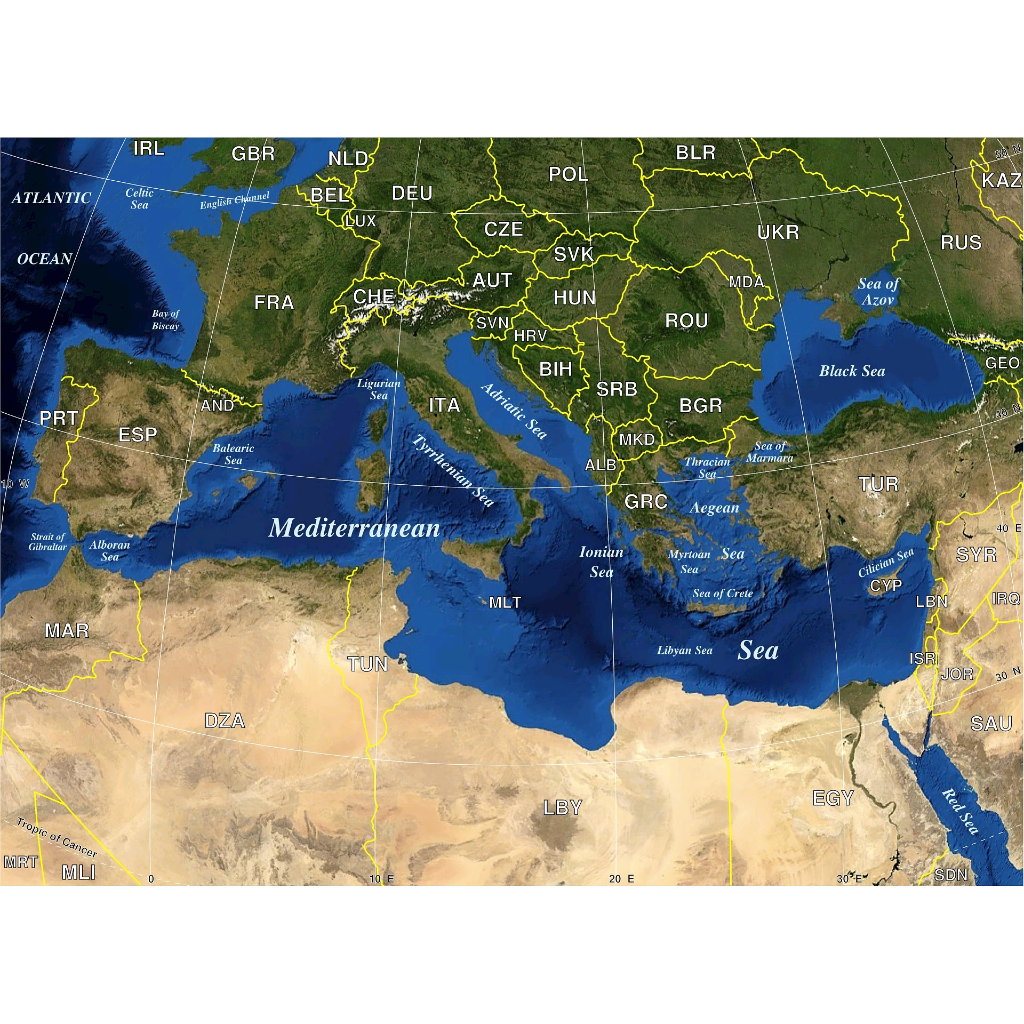
Europe is much more than a collection of countries on a map—it's a colorful mosaic of languages, traditions, and stories. Each region, city, and village carries its own unique culture, history and heritage. Learning about these differences opens our eyes to the beauty of diversity. It helps us connect with others, break down stereotypes, and become more open-minded, respectful citizens of the world.
After all, the more we understand each other, the richer our shared human experience becomes.
1. There are over 200 languages spoken in Europe!
Most people speak more than one language in many countries.
2. The most spoken native language in Europe is Russian.
Over 100 million Europeans speak it as their first language.
3. English is the most learned foreign language.
Many students in Europe learn English at school.
4. Basque is a mystery language.It is not related to any other language in the world and is spoken in parts of Spain and France.
5. Finnish and Hungarian are very different.
They do not come from the same language family as most European languages.
6. The word "alphabet" comes from Greek.
It comes from the first two letters of the Greek alphabet: Alpha and Beta.
7. German has very long words.
One example: Donaudampfschifffahrtsgesellschaftskapitän (Danube steamship company captain)!
8. Some countries have more than one official language.
For example, Switzerland has four: German, French, Italian, and Romansh.
9. Latin was spoken all over Europe in Roman times.
Today, it is a "dead language," but many European languages come from it, like Italian, Spanish, and French.
10. The European Day of Languages is celebrated every year on September 26. It’s a special day to enjoy and learn about languages!
Chapter 2: Cultural Landmarks
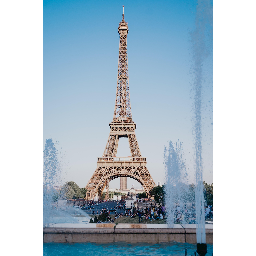
Eiffel Tower (France):
The Eiffel Tower is one of the most iconic landmarks in the world, symbolizing France’s culture, history, and innovation. Built in 1889 for the World's Fair, it stands as a masterpiece of engineering.
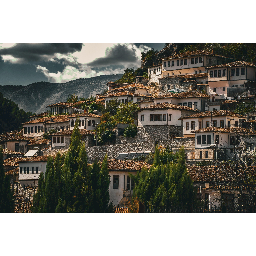
Berat( Albania), also known as "The City of a Thousand Windows." It's a UNESCO World Heritage Site known for its unique Ottoman architecture and historical significance.
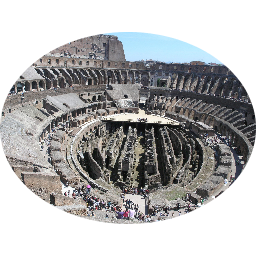
Colosseum (Italy):
The Colosseum in Rome is an ancient amphitheater that once hosted gladiator games. It remains a symbol of Roman architectural genius and the history of the Roman Empire.
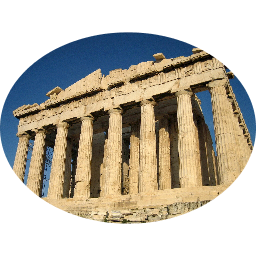
The Acropolis (Greece):
A collection of ancient buildings in Athens, the Acropolis is the birthplace of democracy and philosophy in Europe. Its most famous structure, the Parthenon, honors the goddess Athena.
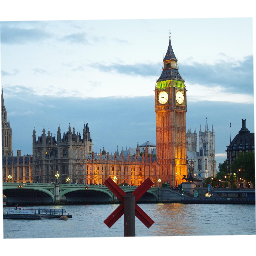
Big Ben (United Kingdom): A clock tower at the north end of the Palace of Westminster in London, Big Ben has become a symbol of the British Parliament and the United Kingdom itself.
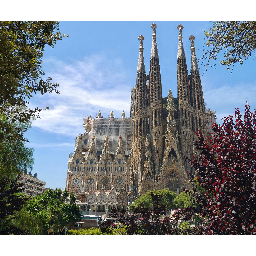
Sagrada Família (Spain):
Located in Barcelona, the Sagrada Família is a famous basilica designed by the architect Antoni Gaudí. Construction began in 1882 and continues today.
Chapter 3: Traditions and Festivals
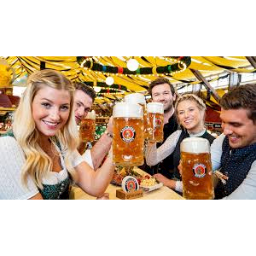
Oktoberfest (Germany): Oktoberfest is the world’s largest beer festival, held annually in Munich. It celebrates Bavarian culture with beer, music, traditional food, and folk costumes.
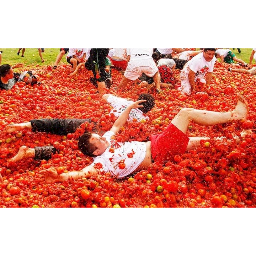
La Tomatina (Spain): A world-famous festival held in Buñol, Spain, where participants throw tomatoes at each other in a fun, chaotic celebration.
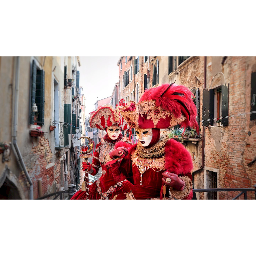
A dazzling festival known for its elaborate masks and costumes, parades, and balls. It dates back to the 12th century and is held before Lent.
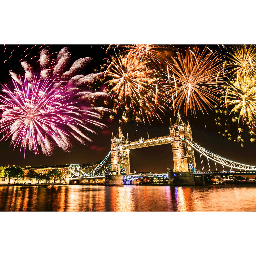
Also known as Guy Fawkes Night, celebrated on November 5th with fireworks and bonfires to remember the failed Gunpowder Plot of 1605.
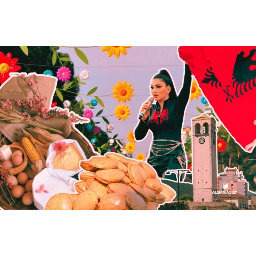
Summer Day Festival, Albania
is one of the oldest traditional festivals in Albania, celebrating the coming of spring and the awakening of nature. It's rooted in pagan traditions, symbolizing renewal, hope, and new beginnings.
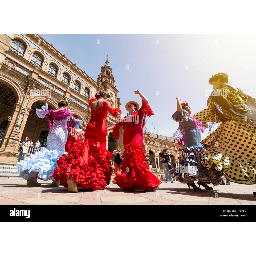
More than a dance—Flamenco is a passionate expression of Spanish culture, often performed at festivals like Feria de Abril in Seville.
Chapter 4: Gastronomy of Europe
Italy:
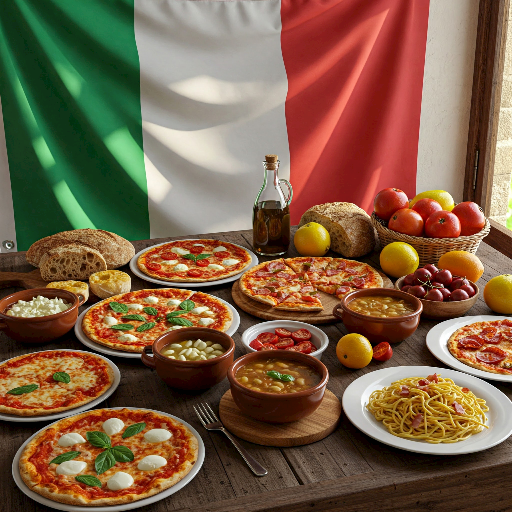
Known for its pasta dishes, pizza, and rich coffee culture. A traditional Italian meal includes antipasto, pasta, meat, and dessert.
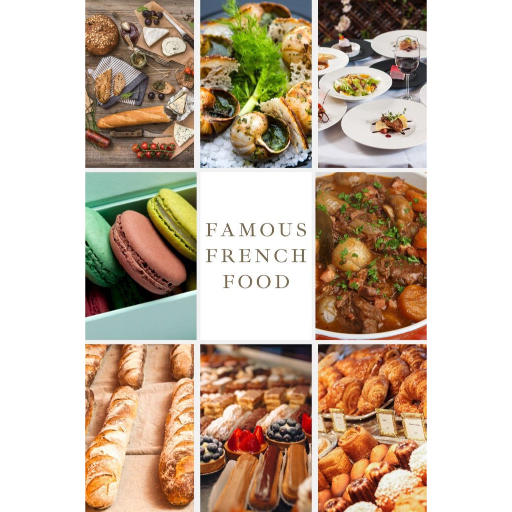
France: Famous for wine, cheese, and pastries like croissants and macarons. French cuisine has influenced culinary traditions worldwide.
Spain:
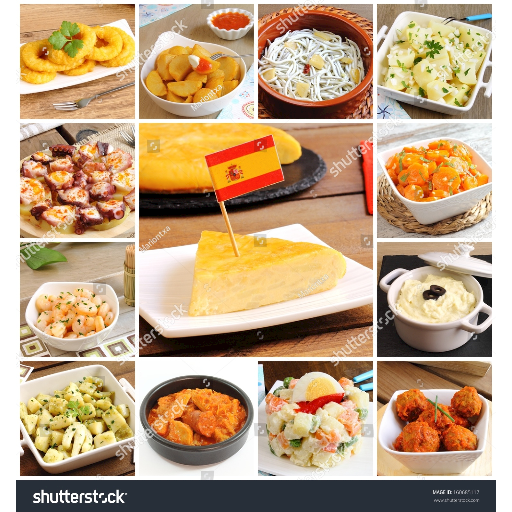
Spanish cuisine includes tapas, paella, and churros. Regional variations include seafood dishes from the coastal regions and meat-heavy meals from the interior.
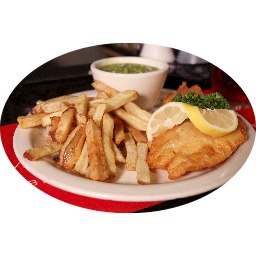
United Kingdom: Fish and chips, shepherd's pie, and afternoon tea.
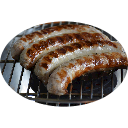
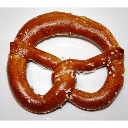
Germany: Bratwurst sausages, sauerkraut, and pretzels.
Greece: Moussaka, souvlaki.
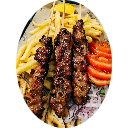
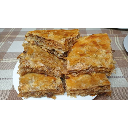
Albania: Byrek, tave dheu, fli
- Full access to our public library
- Save favorite books
- Interact with authors
- < BEGINNING
- END >
-
DOWNLOAD
-
LIKE
-
COMMENT()
-
SHARE
-
SAVE
-
BUY THIS BOOK
(from $5.19+) -
BUY THIS BOOK
(from $5.19+) - DOWNLOAD
- LIKE
- COMMENT ()
- SHARE
- SAVE
- Report
-
BUY
-
LIKE
-
COMMENT()
-
SHARE
- Excessive Violence
- Harassment
- Offensive Pictures
- Spelling & Grammar Errors
- Unfinished
- Other Problem






COMMENTS
Click 'X' to report any negative comments. Thanks!