
OUR AUTHORS:
1. IRINA DODU
2. GHADA AL-BAYDA
3. PELİN ÖZGEN
4. NAGİHAN ERCELEP TEZEL
5. STOIAN FLORANTİNA
6. ZEHRA MALAZGİRT
TRADITIONAL ARCHITECTURE
EASTERN ANATOLIA REGION
ZEHRA MALAZGİRT
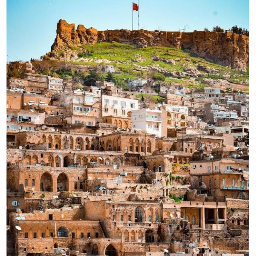
Eastern Anatolia is a region in the east of Turkey. It has high mountains, deep valleys, and cold winters. The people in this region are strong and friendly.Many ancient civilizations lived here, such as the Urartians, Persians, and Romans.
They built strong houses with stones. Some houses were also made of mud bricks. These homes were small but warm in winter.During the Ottoman Empire, houses in Eastern Anatolia had a special style.
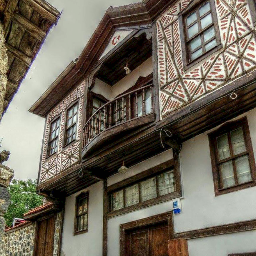
They were usually made of stone and wood. The roofs were flat or a little sloped.
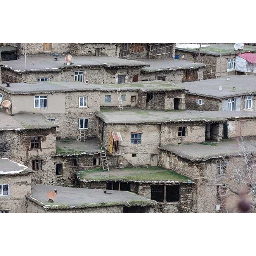
Most houses had a courtyard in the middle. Families cooked, talked, and worked there.
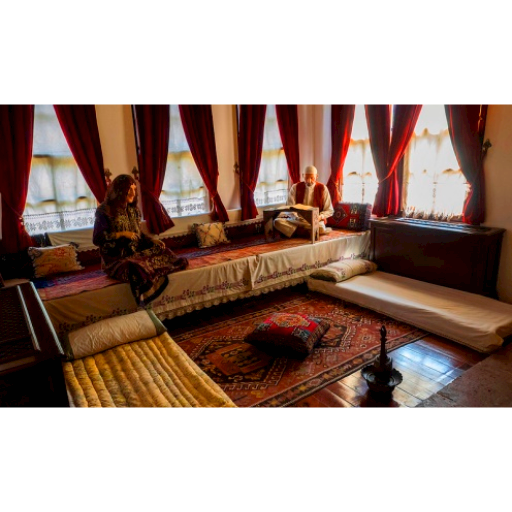
Rooms were simple. People sat on cushions and slept on beds made on the floor. There were stoves to keep the houses warm in winter.
Today, some of these old houses still exist. They show us the culture and life of the past in Eastern Anatolia.
BLACK SEA REGION OF TÜRKİYE
NAGİHAN ERCELEP TEZEL
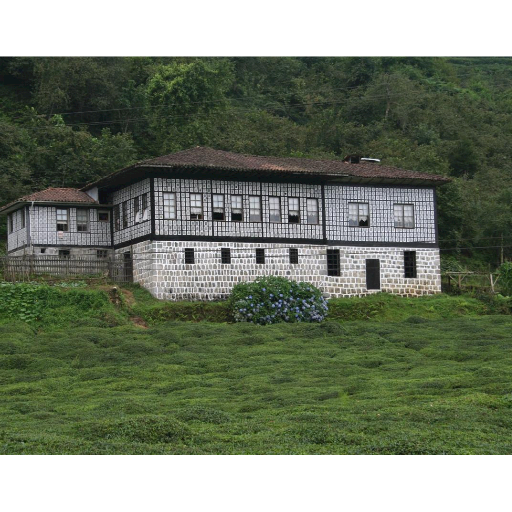
Black Sea houses reflect the local nature and culture. They are usually built on hills and surrounded by forest and green areas.
Wood is commonly used in Black Sea houses because of local geography.
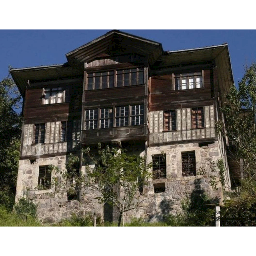
Sometimes,both wood and stone are used together in the same buildings.
The Black Sea region is not only known for its green nature,but also for its old and beautiful buildings.
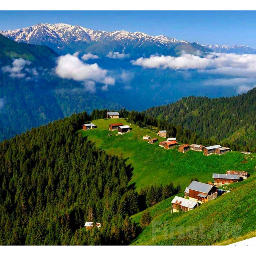
Stone houses on the hills ,wooden mosques in the fog ,old bridges tell stories from the past.
In this region,farming and raising animals are common.Barns and terraces are usually built under or near the houses.
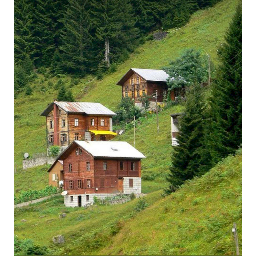
The color of the houses changes with the type of wood.People often use spruce,pine,walnut,oak,chestnut and black locust.
TRADITIONAL ARCHITECTURE
AEGEAN REGION
Pelin ÖZGEN
Ef
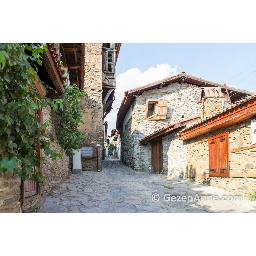
- The Aegean Region of Turkey is rich in traditional architecture that reflects a blend of cultural influences, local materials, and climatic adaptations. Here's an overview of key features and characteristics of traditional Aegean architecture:
1)Geographical and Climatic Influence
The Aegean Region has a Mediterranean climate: hot, dry summers and mild, wet winters.
Architecture is adapted to this climate, focusing on shade, ventilation, and thermal insulation.
2. Materials Used
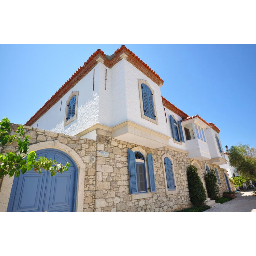
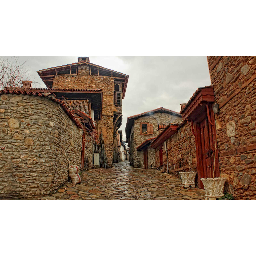
Stone: Locally sourced stone (limestone, marble) is the most common building material.
Wood: Used for structural elements like beams, doors, and windows.
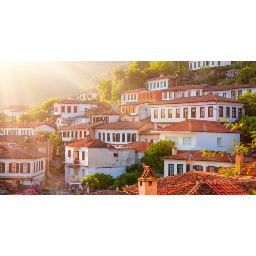
Clay and Tile: Terra cotta roof tiles are typical for roofing.
3. Building Types
Village Houses: Simple, two-story homes with thick stone walls. The ground floor is usually for storage or animals; the upper floor is the living space.
Urban Houses: Influenced by Ottoman and Greek architecture; feature courtyards and high walls for privacy.
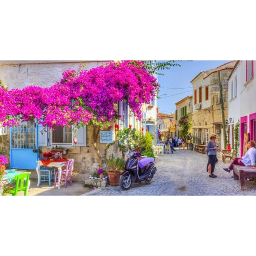
Greek Houses (especially in areas like Ayvalık or Cunda): Reflect neoclassical features—symmetry, arched windows, colorful shutters, and ornate facades.
4. Design Characteristics
Whitewashed Walls: Reflect sunlight and keep interiors cool.Small Windows and Wooden Shutters: Control heat and light.Courtyards and Gardens: Provide shade and outdoor living spaces.Red Tile Roofs: A defining visual characteristic of the region.
5. Cultural Influences
Greek and Roman Heritage: Seen in symmetry, colonnades, and mosaics.
Ottoman Influence: Overhanging upper floors (cumba), inner courtyards (avlu), and wooden details.
Balkan and Anatolian Blends: Especially in towns like Tire, Birgi, and Şirince.
6. Notable Towns with Traditional Architecture
Şirince: Preserved village with stone houses and narrow streets.
Birgi: Ottoman-era houses with unique woodwork and interiors.
Alaçatı: Greek-style stone houses, now restored for boutique tourism.
Foça and Ayvalık: Coastal towns with traditional Greek and Turkish houses.

TRADITIONAL ARCHITECTURE
SOUTH-EASTERN REGION OF ROMANIA
BRĂILA TOWN
FLORENTINA STOIAN
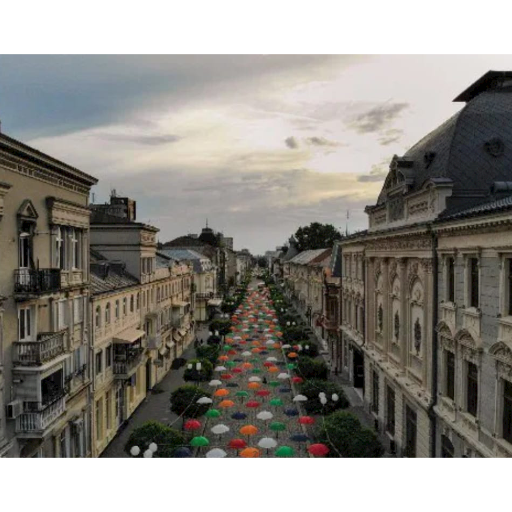
Brăila is considered a cosmopolitan city, where tolerance toward other nationalities has been one of its core values. Figures show that no fewer than 11,000 residents of Brăila are Lipovan Russians, Roma, Greeks, Jews, Hungarians, Armenians, Turks, Germans, Ukrainians, Bulgarians, and Italians
- Full access to our public library
- Save favorite books
- Interact with authors

- < BEGINNING
- END >
-
DOWNLOAD
-
LIKE
-
COMMENT()
-
SHARE
-
SAVE
-
BUY THIS BOOK
(from $6.59+) -
BUY THIS BOOK
(from $6.59+) - DOWNLOAD
- LIKE
- COMMENT ()
- SHARE
- SAVE
- Report
-
BUY
-
LIKE
-
COMMENT()
-
SHARE
- Excessive Violence
- Harassment
- Offensive Pictures
- Spelling & Grammar Errors
- Unfinished
- Other Problem





COMMENTS
Click 'X' to report any negative comments. Thanks!