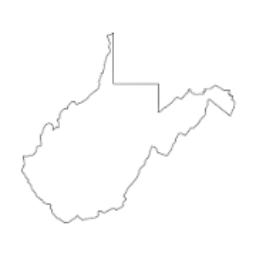













Climate change is changing ecosystems globally, and West Virginia is not exempt from these changes.
Rising temperatures, shifting precipitation patterns, and stronger storms are influencing agriculture, water quality, and biodiversity here. What happens to our oceans doesn’t stay in the oceans; these changes ripple into our rivers, communities, and daily lives.

Changes in West Virginia
Tidal Energy
Tidal energy is a renewable solution to fossil fuels, but changing sea levels and coastal erosion can affect its consistency.
As climate change alters tidal patterns, West Virginia, despite being inland, may see indirect benefits from clean energy innovation, reducing overall emissions.


Tsunami
Tsunamis are not common in the Atlantic, but they are influenced by underwater earthquakes and landslides, which are aggravated by climate change-caused sea level rise. Disruptions along the coast impact national supply chains that reach into places like West Virginia


Red tide
Red tides are harmful algae blooms that are becoming more frequent due to rising sea temperatures and runoff. These toxins travel through our seafood and coastal economies, which emphasizes the distant yet real consequences for West Virginia consumers.


X
x
Ocean Warming
Ocean warming disrupts marine ecosystems and weather patterns. It strengthens storms that can bring flash floods and ecological damage to inland states like West Virginia.


Dead Zones
Extra nutrients from thousands of fertilizers cause low-oxygen or zero-oxygen “dead zones” in oceans. Runoff from West Virginia farms eventually reaches our Earth's coastal waters, reminding people about the importance of being mindful of how local practices affect global systems.


X
Coastal Habitats
Things such as salt marshes and mangroves buffer storms and support biodiversity. Climate change threatens these habitats, impacting fish and storm resilience that ripple through national systems connected to inland states.


Microplastics and Garbage Gyres
Plastic pollution collects in ocean gyres, breaking into microplastics that contaminate and harm marine life. These particles enter the food chain, affecting food safety and public health everywhere, including West Virginia.


Ocean Acidification
Carbon dioxide absorbed by oceans causes acidification, which harms all shell-forming creatures and coral reefs. This disrupts ecosystems and fisheries that support a global food web reaching all states.


Offshore Drilling
Offshore drilling threatens marine life and contributes to CO₂ emissions. Oil spills harm ecosystems and economies, and continued reliance on fossil fuels affects climate patterns in West Virginia.


- Full access to our public library
- Save favorite books
- Interact with authors

- < BEGINNING
- END >
-
DOWNLOAD
-
LIKE
-
COMMENT()
-
SHARE
-
SAVE
-
BUY THIS BOOK
(from $3.59+) -
BUY THIS BOOK
(from $3.59+) - DOWNLOAD
- LIKE
- COMMENT ()
- SHARE
- SAVE
- Report
-
BUY
-
LIKE
-
COMMENT()
-
SHARE
- Excessive Violence
- Harassment
- Offensive Pictures
- Spelling & Grammar Errors
- Unfinished
- Other Problem

COMMENTS
Click 'X' to report any negative comments. Thanks!