
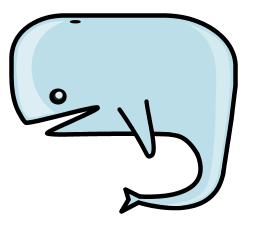
What Is Climate Change?
Climate change is the long-term shift of Earth's climate, including temperature, wind patterns, and precipitation. In West Virginia, climate change is a significant issue, causing increased temperatures and heavy rainstorms.
These shifts in temperature and waterflow can be dangerous to aquatic ecosystems like mine! To raise awareness, let's discuss some ocean issues impacted by climate change.
Tides
Increased heavy rainstorms can have an effect on tides. For example, higher sea level results in higher tides. Rising sea levels may also alter tidal currents, disrupting ecosystems. Also, higher tides can push salt water further inland, increasing salinity levels in freshwater and shifting ecosystems.
Tsunamis
Like tides, tsunamis are affected by climate change via elevated sea levels, causing tsunamis to begin with higher levels of starting water which causes more damage. Climate change also causes erosion to natural tsunami defenses, allowing them to cause more destruction.
Red Tides
Climate change causes warmer overall ocean temperatures. Because of these warmer temperatures, harmful algae species grow and bloom more frequently, which can cause red tides. Heavy rainfall caused by climate change may also cause increased nutrient runoff, which facilitates harmful algal blooms.
Ocean Warming

Ocean warming is one of the most significant impacts of climate change. Increased greenhouse gases are a major cause of climate change, and the heat trapped by these gases is absorbed by the oceans, causing them to become much warmer. Increased temperatures also melt ice, leading to more heat absorption.
Hurricanes

Hurricanes draw their "power" from warmer ocean water. Increased water temperatures (about 80 degrees or higher) cause hurricanes to become stronger and more powerful. Also, higher sea level and heavier rainfall caused by climate change result in stronger storm surges and more intense and longer-lasting flooding.
Dead Zones
Rising ocean temperatures causes there to be a significantly reduced amount of available oxygen for marine life. Similar to red tides, dead zones are also facilitated by nutrient runoff and harmful algal blooms which depletes oxygen for marine ecosystems.
Ocean Currents
Melting ice and glaciers due to global warming result in increased levels of salinity in freshwater, slower circulation, and regional climate shifts. Due to increased ocean temperatures, wind patterns shift, which affects the patterns of surface currents. This can change the upwelling patterns, speed, and direction of currents.
Ocean Acidification
Increased carbon emissions, which are a massive contributor to climate change, result in increased levels of carbonic acid once mixed with water. This carbonic acid then releases hydrogen ions which leads to ocean acidification.
Offshore Drilling
Offshore drilling is a contributor to climate change due to the use of fossil fuels and gas emissions. However, climate change can also, in turn, have an affect on the act of offshore drilling. For example, higher winds and extreme weather patterns caused by climate change can make offshore drilling more dangerous, resulting in accidents and potential harmful spills into the ocean.
- Full access to our public library
- Save favorite books
- Interact with authors
- < BEGINNING
- END >
-
DOWNLOAD
-
LIKE
-
COMMENT()
-
SHARE
-
SAVE
-
BUY THIS BOOK
(from $3.59+) -
BUY THIS BOOK
(from $3.59+) - DOWNLOAD
- LIKE
- COMMENT ()
- SHARE
- SAVE
- Report
-
BUY
-
LIKE
-
COMMENT()
-
SHARE
- Excessive Violence
- Harassment
- Offensive Pictures
- Spelling & Grammar Errors
- Unfinished
- Other Problem





COMMENTS
Click 'X' to report any negative comments. Thanks!