
Introduction
Travelling has shaped human history, influencing culture, identity, and connection.
This book explores the impact of travelling on different cultures through artefacts like the painting 'Those Left Behind', the half-finished glass vessel (Late 3rd - 4th c.), and St. Christopher's Alm dish (16th -17th century)
Our scientific analysis and creative response to the artefacts, a historical diary and a travel writing piece, have deepened our understanding of the artefacts and the have created a connection of three different countries though time.
Artefact Descriptions
Painting: Those Left Behind
Symbolises the sorrow families feel due to the mass migration of the male population from Cyprus due to the great economic crisis the island experienced after World War II.
Glass Vessel
Dates back to Late 3rd - 4th century in Byzantine times, these vessels stored oils and perfumes. It was found in an excavation in Thessaloniki, it was used in a burial ritual.
St. Christopher's Alm Dish
Used in common homes, later used in churches for donations, reflecting on changing social and religious roles. This artifact is part of a shipwreck cargo, washed ashore at Belinho beach in Portugal.
Travel Writing Analysis
Excerpt:
“I wanted to see the Northern Lights...to experience what life was like in such a remote and forbidding place.”
Analysis: Bryson expresses a desire for adventure, driven by curiosity and spontaneity. Aimed at readers who enjoy humorous travel stories. Though no one is directly left behind, the solo journey suggests personal exploration over connection.
Travel Blog Entry
April 3, 1572
The sea stretches endlessly, our ship creaking under the strain of the journey.
Mornings bring light on the water; nights leave us with only the stars.
A storm struck last night—barrels tumbled, ropes snapped, thunder roared. Two men were lost to the waves.
We sail toward unknown lands, unsure if they exist. I wonder if I’ll ever see home again—or be lost to the sea.
Still, we press on, chasing the horizon, at the mercy of the tides.
Microscopes
We studied the artefacts using many different microscopes to get different answers and view points to understand these artefacts better and to better understand what conditions were taking place when the artefact was made.
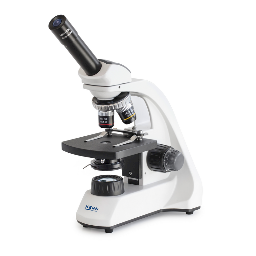
Optical light microscope
Although simple, the Optical Light Microscope gave us a basic understanding of each artefact. It revealed gold traces and holes in the Alm dish, and bubbles and foreign substances in the glass vessel, suggesting the dish was more carefully made. However, it couldn’t clearly show the painting’s material.
- Full access to our public library
- Save favorite books
- Interact with authors
- < BEGINNING
- END >
-
DOWNLOAD
-
LIKE
-
COMMENT()
-
SHARE
-
SAVE
-
BUY THIS BOOK
(from $2.99+) -
BUY THIS BOOK
(from $2.99+) - DOWNLOAD
- LIKE
- COMMENT ()
- SHARE
- SAVE
- Report
-
BUY
-
LIKE
-
COMMENT()
-
SHARE
- Excessive Violence
- Harassment
- Offensive Pictures
- Spelling & Grammar Errors
- Unfinished
- Other Problem





COMMENTS
Click 'X' to report any negative comments. Thanks!