With this booklet introducing local instruments, our awareness will be increased. Through this project, our students will explore the cultural diversity, richness, and shared values of Asia and Europe. The project will also enhance students' digital skills. Their language abilities will improve as they interact with their European peers. Moreover, the project will promote active citizenship among students who collaborate with their European counterparts; thus, students will also develop 21st-century skills such as sharing, respect, empathy, communication, and cultural awareness.

1 .HATİCE BAŞYİĞİT 2. TÜLİN YENİGÜN
3. YEŞİM YANMIŞ 4.İSA ÇETİN
5.ECE AKALIN 6.MARİLUZ MASEGUER
7.SERKAN KÖKSAL 8.GÜLÇİN ATAM
9. FATMA GÜLDAL 10. HACER GEZER
11.POP ADINA GEANİNA
TEACHER HATİCE BAŞYİĞİT
STUDENTS
1.Student MARAM
2.Student GÜLCE
3.Student NİSANUR
4.Student EDA

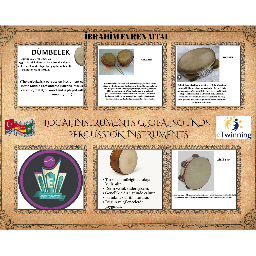
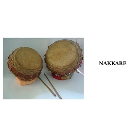
Nakkare genellikle simetrik iki küçük davuldan oluşur. Her iki davul da genellikle hayvan derisiyle kaplıdır ve bu deri tutularak gerilerek çerçeveye tutturulur. Çerçeve çerçeve veya metalden yapılır. Bu davullar bir çubuk veya elle çalınır. Davul Boyutları: Nakkare davulları genellikle küçük ve kompakt boyutludur. Bu boyut, çalarken büyük bir hareket yeteneği sağlar. Ses Özellikleri: Nakkare'nin karakteristik sesi, derinliği ve boyutuna bağlı olarak değişebilir; Ancak genellikle derin ve güçlü bir tona sahiptir. Malzeme: Ahşap veya metal bir çerçeveye sahiptir ve deri kaplaması genellikle koyun veya keçi derisinden yapılır.

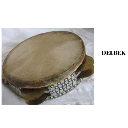
Delbek is a percussion instrument similer to a tambourine, played especially in the Teke Region, primarily around Fethiye. This instrument was brought to the area by nomadic Yörük communities migrating from Central Asia, and it is know as Debrek in Turkmenistan.
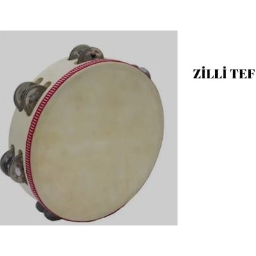
it is a musical instrument made from a wooden circular frame, with one or both sides. covered in skin, and is played by finger tapping.
Teacher Hacer Gezer NBBAL Bursa TURKEY
Plectrum instruments of Turkish folk music;
*baglama
*kopuz
*tanbour
*cura
Student Eymen
Student Hasiba
Student Egemen
Student Yagiz
Student Eray
Student Yusuf K.
Student Elasu
Student Zeren
Student Elif O.
Student Defne
Student Edanur


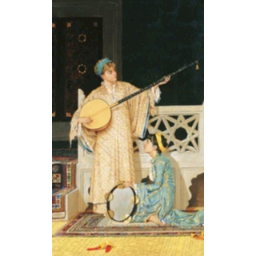


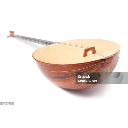
Baglama or Turkish saz is a stringed plectrum instrument commonly used in Turkish folk music. It is played by striking the strings with a plectrum made of cherry tree bark called tezene. The body is carved from a log and is pear-shaped.
It is played with a plectrum (tezene) or fingers depending on the technique used. It usually has a total of 7 strings .

The baglama family consists of plectrum instruments of Turkish folk music;
baglama, cura,
divan saz, bozuk,
cogur, two-string, tanbura and meydan saz
Baglama ;Turkish saz

The koppuz, a musical instrument with a very old history and known as the national instrument of the Turks, is a three-stringed instrument that brings together many cultural ties. This instrument, which has come down to the present day with the Turks and has become integrated with them, is similar to the bağlama, or saz.
Kopuz
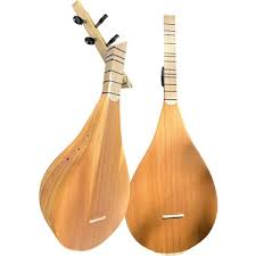

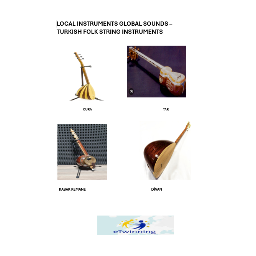
Cura is a stringed folk instrument unique to Türkiye. It is the smallest and highest member of the baglama family. It is found in almost every region of the country in different sizes, tunings, playing techniques and with names such as dede sazı, parmak cura, three-string curaı and tanbura curası.
Cura
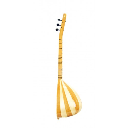
Two-string, tanbura
The oldest known form of the tambur is two-stringed which has simple design and a unique sound.


ŞEHİT KAYA ALDOĞAN
ANATOLIAN HIGHSCHOOL
Teacher TÜLİN YENİGÜN
Student Mert
Student Berna
Student Umut
Student Arjin
Student Kaan
Student Eylül
Student Doğukan
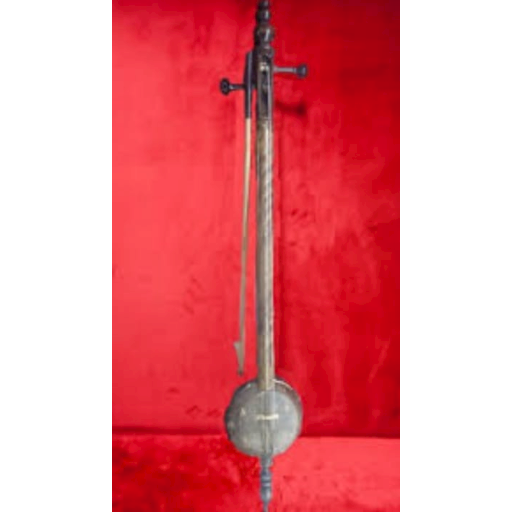
IKLIĞ
The Iklığ is a traditional bowed string instrument that was once commonly used by the Turks. The word Iklığ is derived from the word ık, which means "bow." The instrument’s body has a hemispherical shape and is traditionally made from materials such as turtle shell, gourd, or coconut.
KEMENÇE
The Classical Kemenche is a pear-shaped bowed instrument that holds an important place in the style of Turkish music. It is a polyphonic solo instrument within the Eastern technique, known for its use of parallel fourths in performance.

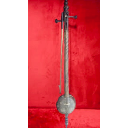
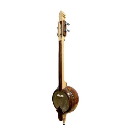
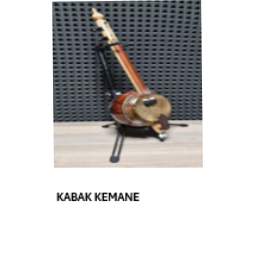
KABAK KEMANE
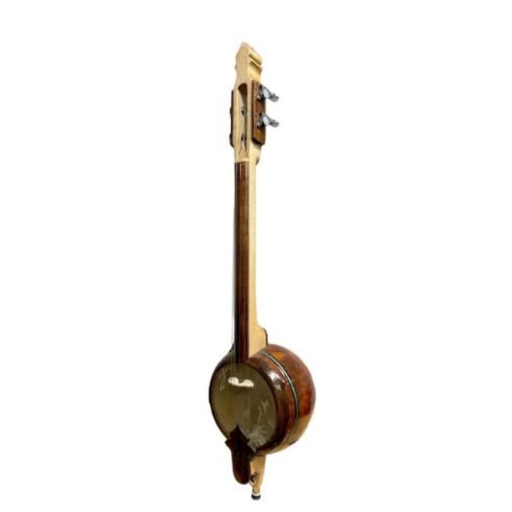
The Kabak Kemane is the only example of a stringed, bowed instrument with a skin-covered soundboard in Turkish folk music. Its origins trace back to Central Asia. In Turkey, the Kabak Kemane is especially popular in Western Anatolia, particularly in the Aegean Region.
YAYLI TANBUR
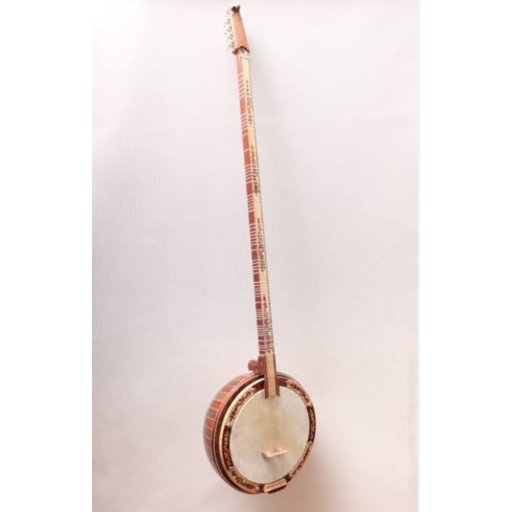
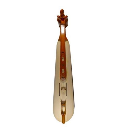
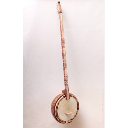
The Bowed Tanbur is a bowed, long-necked lute unique to Turkey. It is derived from the plucked version of the Turkish tanbur. The instrument features a long, fretted neck, and its front resembles that of a banjo. It is played in a vertical position.

Student Adnan
Student Alina
Student Ümmügülsüm
Student Cem
Student Sema
ŞEHİT KAYA ALDOĞAN ANATOLIAN HIGH SCHOOL
Teacher Gülçin Atam
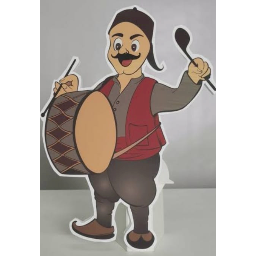
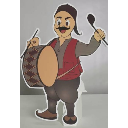
The Ramadan Drum is traditionally used during the month of Ramadan to wake people up for sahur (the pre-dawn meal) by playing it through the streets at night. It is made by stretching calfskin over a wooden frame. It is played using one mallet and one stick.
Ramadan Drum
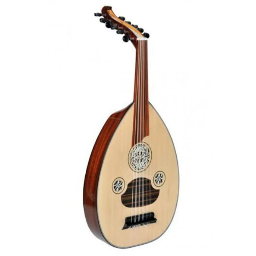
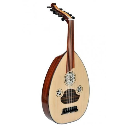
The ud is a fretless instrument, typically with 11 or 12 strings. It has a sound range of about three octaves. The instrument consists of six different string courses, with the top string known as the bam string.
Ud
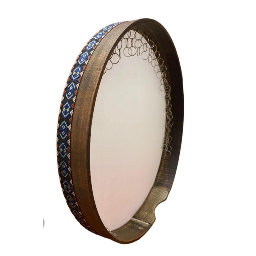
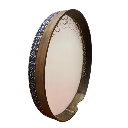
The Erbane is a percussion instrument that has been used for thousands of years. Its body consists of a frame made from bent wood and includes 99 metal rings. The surface is covered with processed kid (young goat) skin, which is stretched tightly to give the instrument its final form.
Erbane
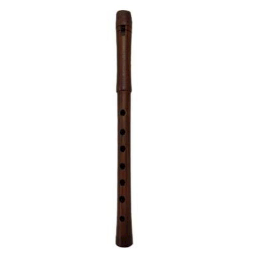
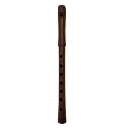
It is usually made from boxwood. There is one hole at the bottom and seven holes on the top. There are two types: "dilli kaval" (with a fipple) and "dilsiz kaval" (without a fipple). The dilli kaval has a whistle mechanism at the top that helps produce sound.
Shepherd's Pipe
Teacher Yeşim Yanmış ZHKAL
Student Ahsen
Student Elanur
Student Öykü
Student Cansu
Student Fatma
Student Asiye
Student Nevin
Student Şevval
Student Zehra
Student Rumeysa
Student Eylül


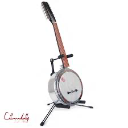

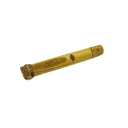
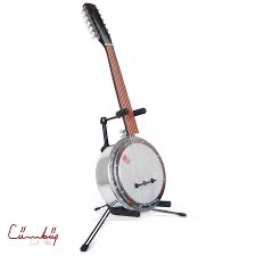
The cümbüş is a Turkish stringed instrument invented by Zeynel Abidin Cümbüş in the early 20th century. It looks like a mix between an oud and a banjo. With its metal body and skin-covered resonator, it produces a loud and vibrant sound. It usually has 6 or 8 strings and is used in Turkish folk music and variousother styles. Its lively and joyful tone makes it stand out.
CÜMBÜŞ
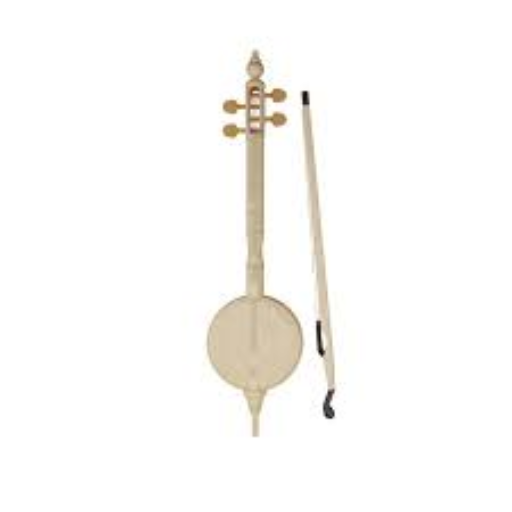
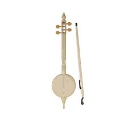
REBAB
The rebab is a bowed string instrument originating from the Middle East and Central Asia. It usually has one to three strings and is played with a bow. Its body is often made from coconut shell or wood and covered with animal skin. The rebab has an important role in Turkish and traditional Asian music. It is known for its emotional and mystical sound.
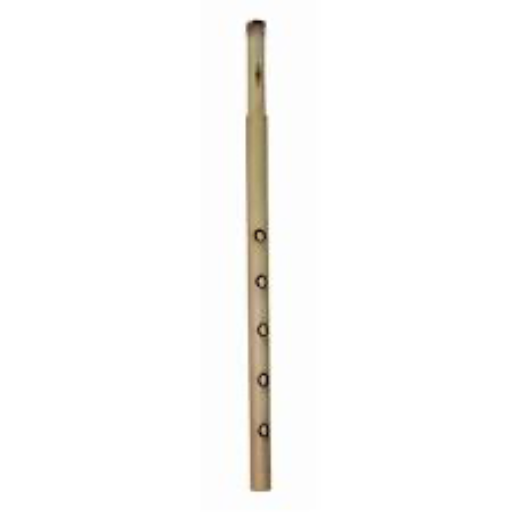
The sipsi is a traditional Turkish woodwind instrument made from reed or wood. It is small, usually about 15–20 cm long, and has five or six finger holes. The sipsi is played with a special breathing technique called circular breathing, allowing continuous sound. It is mainly used in Turkish folk music, especially in the Aegean region. Its sound is high-pitched and bright.
SİPSİ
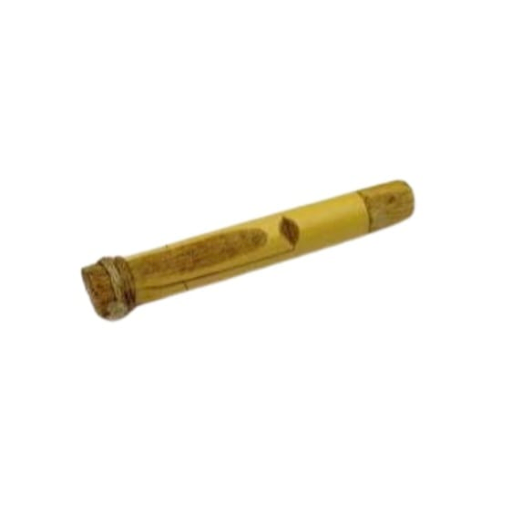
ZAMBIR
The zambır is a traditional Turkish wind instrument, often made of reed. It has a cylindrical shape and produces sound when the player blows into it while controlling the pitch with finger holes. The zambır has been used in folk and ritual music, especially in historical Anatolian cultures. Its sound is sharp and penetrating, often associated with spiritual or ceremonial contexts.
ÇERKEZKÖY BİLİM VE SANAT MERKEZİ
TEACHER
İSA ÇETİN
STUDENTS
1.Student Kutay
2.Student Mehmet
3.Student Asya
4.Student Merve

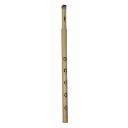
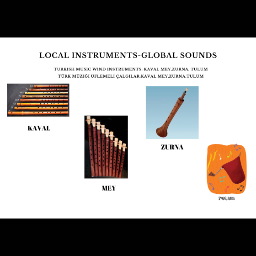
The kaval is a wind instrument. It is usually made of wood and is frequently used in Turkish folk music. It is played vertically, without a mouthpiece at the end. Different sounds are produced by opening and closing the holes with the fingers. It is also known as the "shepherd's instrument" because it is common among shepherds. It is used both as a solo and accompanying instrument.

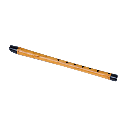
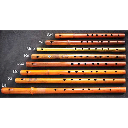
KAVAL
Zurna is a wind folk instrument. It is usually made of wood and has a conical structure. It has a reed reed (metal) at its end. Since its tone is strong, high and piercing, it is used in open areas, weddings, holidays and celebrations. It is usually played with the drum and is an indispensable instrument of traditional music in many parts of Anatolia.
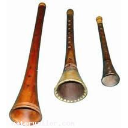
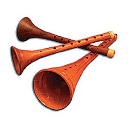
ZURNA
MEY
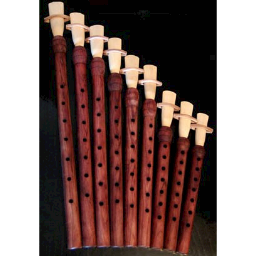
The mey is a Turkish folk wind instrument. It is usually made of plum, apricot or walnut wood. Its body is cylindrical and short, with a large reed (sound-producing part) at the end. It has a soft, full and sorrowful sound. It is especially common in the Eastern Anatolia Region. It has three different sizes: alto, tenor and bass mey. It is usually used in emotional melodies such as laments and long airs.

5.ECE AKALIN (TEACHER)
Student Ecrin
Student Melek Nur
Student Sude Çisem
Student Buse
Student Yıldıray
Yenice Anatolian High School
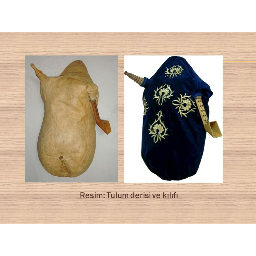
TULUM
Tulum is a wind folk instrument specific to the Black Sea region. It consists of an air bag made of leather, a windpipe and vocal pipes connected to this bag. Air is filled into the bag by blowing, and as the air in the bag is squeezed, sound is produced. Melody and rhythm can be played at the same time. It is usually used in local folk dances such as horon and has a unique enthusiastic sound.
Cura is one of the Yoruk folk instruments. This instrument, which is often used by Mediterranean bards, is about 55-60 cm long and is the smallest instrument of the bağlama family. Cura usually has six, five, four or three strings. There are also two-string curas. The lower string of these curas is tuned to the "la" note and the upper string to the "re" note.
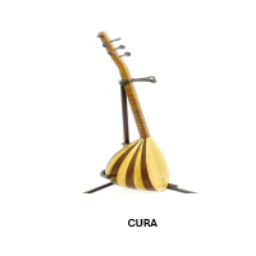
CURA
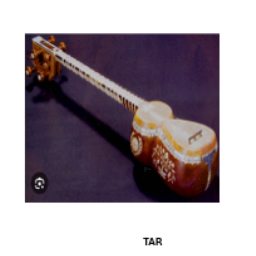
TAR
KABAK KEMANE
- Full access to our public library
- Save favorite books
- Interact with authors

- < BEGINNING
- END >
-
DOWNLOAD
-
LIKE(3)
-
COMMENT()
-
SHARE
-
SAVE
-
BUY THIS BOOK
(from $11.19+) -
BUY THIS BOOK
(from $11.19+) - DOWNLOAD
- LIKE (3)
- COMMENT ()
- SHARE
- SAVE
- REMIX
- Report
-
BUY
-
LIKE(3)
-
COMMENT()
-
SHARE
- Excessive Violence
- Harassment
- Offensive Pictures
- Spelling & Grammar Errors
- Unfinished
- Other Problem





COMMENTS
Click 'X' to report any negative comments. Thanks!