
Kasra Rafi was born and raised in Iran, and he lived in Tehran, the capital, for most of that time.
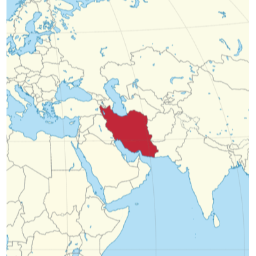
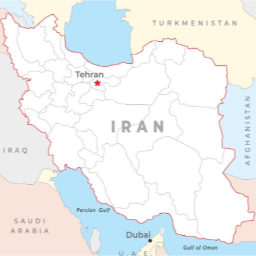
Kasra went to a good school. When he was a teenager, he participated in a math contest in the Soviet Union with other members of his math team.
However, he wanted to go to the United States.

All but a very few members of Kasra's family lived in Iran.
Kasra had only basic English-speaking abilities.
He would be going alone to a place with different rules and customs he knew very little about.
But Kasra wanted to pursue a good education in math—one which he believed he would be better able to reach in the United States.
Kasra was not religious, and he was angry at the theocracy in Iran. The government tortured people in the name of religion. Kasra wanted to get away.

He was learning at school, but also teaching. It was difficult for him to understand his students.
Kasra had taken English classes in Iran, but he was not fluent in the language.
At the age of 21, Kasra went to the United States by plane, ready to enter graduate school there.
The first semester especially was difficult because Kasra had missed several important meetings at the beginning.
Eventually, it got better. He could understand people much more and was successful in his job.
Once, when doing magic tricks for some other graduate students, Kasra needed a volunteer. Amy volunteered.
Years later, Kasra and Amy got married and had a child named Anita. By this time, they were living in Oklahoma and were working in geometry and accounting respectively.
Kasra wasn't sure about remaining in the U.S. forever, though. Kasra was obviously Middle Eastern with an accent, and the country was xenophobic.
"The U.S. is a melting pot, but Canada is a mosaic," Kasra said. "At least that's what the politicians say. In Canada, you don't have to be like everyone else to be accepted."
When Anita was three and a half years old, Kasra was offered a job at the University of Toronto. He accepted the offer.
Amy and Kasra were first-generation Canadians, and Anita was a second-generation Canadian.
The three of them immigrated to Canada in late 2013.
A year later, Amy and Kasra had their second child, Nima. Nima was a second-generation Canadian like Anita.
Kasra was a geometry professor. Amy found a job at an accounting firm. Anita went to preschool near the apartment where they lived. The family was doing well in the new country, living in Chinatown, and they made friends with some of their neighbors.
In 2020, Amy and Kasra applied to become Canadian citizens. They had to wait years for it to finally happen.
"They should use a first in, first out system," Amy said, "but it feels like they're doing first in, last out."
In May of 2024, Amy, Kasra, and Anita became Canadian citizens. Nima was already a citizen because he was born in Canada.

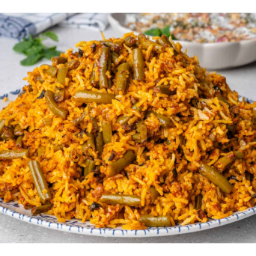
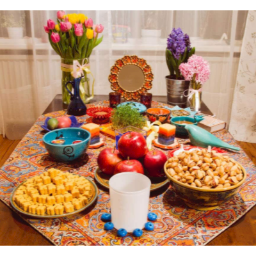
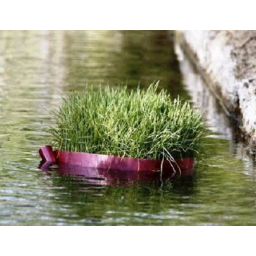
When Kasra came to Canada, he brought Iranian culture with him, as did many other Iranian immigrants.

- Full access to our public library
- Save favorite books
- Interact with authors
- < BEGINNING
- END >
-
DOWNLOAD
-
LIKE
-
COMMENT()
-
SHARE
-
SAVE
-
BUY THIS BOOK
(from $3.99+) -
BUY THIS BOOK
(from $3.99+) - DOWNLOAD
- LIKE
- COMMENT ()
- SHARE
- SAVE
- Report
-
BUY
-
LIKE
-
COMMENT()
-
SHARE
- Excessive Violence
- Harassment
- Offensive Pictures
- Spelling & Grammar Errors
- Unfinished
- Other Problem





COMMENTS
Click 'X' to report any negative comments. Thanks!