











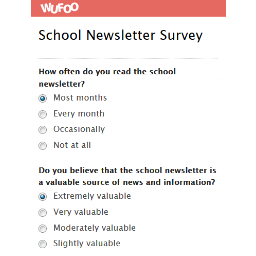



1. Quantitative Method: Involves collecting numerical data, suitable for statistical analysis to generalize results.
2. Qualitative Method: Focuses on descriptive data for deeper insights into participants' perspectives and experiences.
Data Collection Methods, Techniques, and Instruments
Methods:


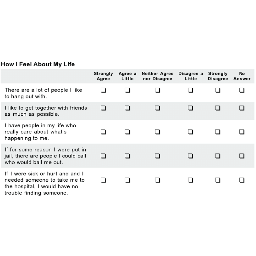
3. Structured Survey: Uses closed-ended questions to gather quantitative data, typically employing Likert scales.
4. Structured Observation: Systematic recording of behaviors using predefined criteria for quantitative data.
5. Testing: Standardized assessments to measure attributes or abilities quantitatively.
Techniques:


6. Interview: A qualitative technique where researchers ask participants open-ended questions for detailed insights.
7. Focus Group: Moderated group discussion for exploring diverse opinions and experiences on a specific topic.


8. Unstructured Observation: Gathering data through observation in natural settings, often focusing on unplanned insights.
9. Document Analysis: Reviewing existing documents (texts, reports, transcripts) to extract historical or contextual data.


10. Questionnaire: A structured tool for collecting data, often using Likert scales or multiple-choice questions.
12. Standardized Test: Measures specific abilities or knowledge across participants.
13. Interview Guide: A set of questions used to structure qualitative interviews.
11. Checklist: Used during structured observation to tally occurrences or evaluate specific criteria.
Instruments/Tools:


14. Focus Group Protocol: Structured questions to guide group discussions.
15. Field Notes: Notes taken during unstructured observation to capture detailed, qualitative data.
16. Document Analysis Template: A form to organize and analyze documents systematically.


Surveys, Interviews, Focus Groups, Observation, Document Analysis
17. Structured Surveys: Collect quantitative data through closed-ended questions, often using Likert scales for measuring attitudes.
Surveys:

18. Structured Interviews: Participants answer the same set of questions, limiting responses and increasing reliability.
19. Semi-structured Interviews: A flexible method with prepared questions but allows for additional probing to explore deeper insights.
20. Unstructured Interviews: Informal, with no specific guide, relying on casual conversation to gather qualitative data.
Interviews:


- Full access to our public library
- Save favorite books
- Interact with authors

- < BEGINNING
- END >
-
DOWNLOAD
-
LIKE
-
COMMENT()
-
SHARE
-
SAVE
-
BUY THIS BOOK
(from $2.99+) -
BUY THIS BOOK
(from $2.99+) - DOWNLOAD
- LIKE
- COMMENT ()
- SHARE
- SAVE
- Report
-
BUY
-
LIKE
-
COMMENT()
-
SHARE
- Excessive Violence
- Harassment
- Offensive Pictures
- Spelling & Grammar Errors
- Unfinished
- Other Problem

COMMENTS
Click 'X' to report any negative comments. Thanks!