




Historical and Political Context in Ecuador


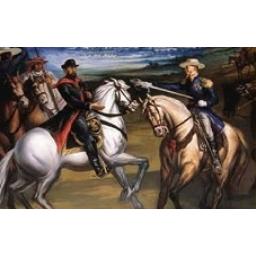
1. Ecuador experienced extreme political and ideological conflict between conservatives and liberals throughout the 19th century.
2. Conservatives supported the Church, oligarchies, and limited democracy; liberals promoted secularism, modernization, and broader civic rights.
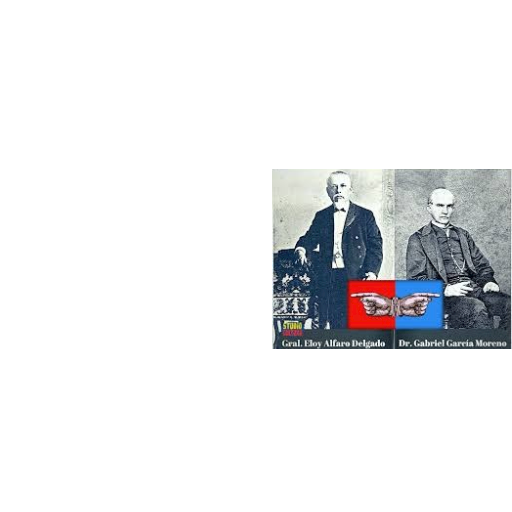
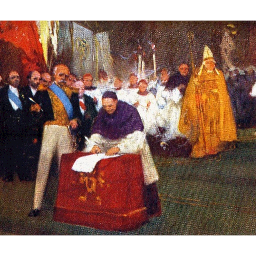
3. Gabriel García Moreno created a confessional state where the Catholic Church controlled education and civil rights were limited.
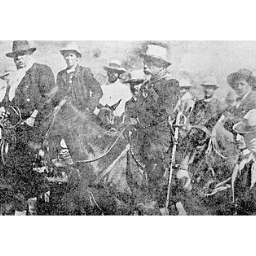
4. The Liberal Revolution of 1895, led by Eloy Alfaro, established a secular state and diminished ecclesiastical control.


5. Alfaro’s government promoted civil marriage, divorce laws, and public education as part of liberal reforms.
6. The “Dead Hand Decree” allowed the State to seize abandoned Church land and redistribute it.


8. Secular education aimed to foster freedom of conscience and rational thinking among Ecuadorians.
7. The 1897 Constitution declared education to be free, compulsory, and secular, breaking the Church’s monopoly.


Evolution of Education Policy (1897–2017)
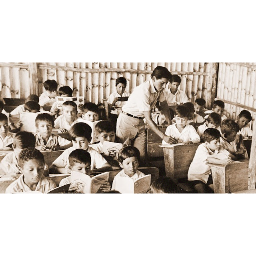
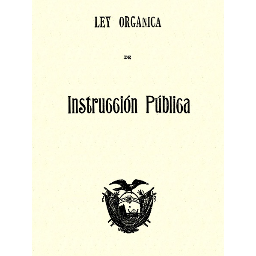
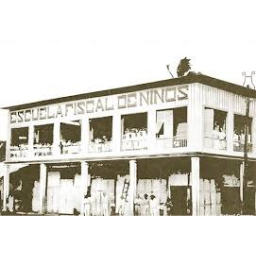
9. The Law of Public Instruction in 1897 established the foundations for public, secular education in Ecuador.

10. The Church gradually lost influence over education, enabling the creation of public schools and teacher training centers.
11. In the 20th century, education continued to evolve, but many reforms lacked continuity due to frequent political changes.
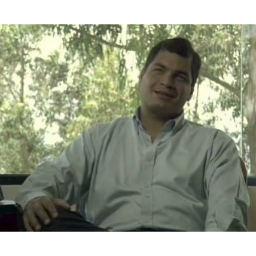
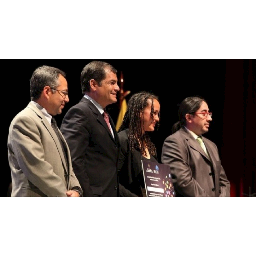
12. From 2006 onward, education reform was a central agenda under Rafael Correa’s leftist government.


Correa’s Education Reforms (2006–2017)
13. The Correa administration quadrupled education spending, reaching 5% of GDP, and significantly increased teacher salaries.

14. Major reforms focused on both expanding access and improving quality through performance standards.

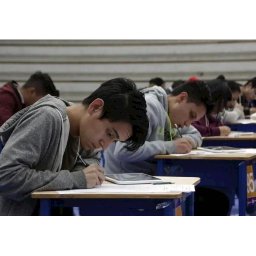
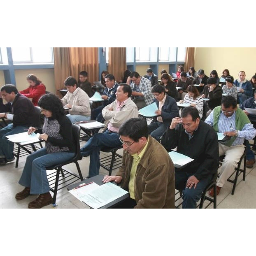
15. A national learning assessment and participation in international benchmarks like TERCE and PISA were introduced.

16. Teacher evaluations became mandatory, including external tests, classroom observations, and feedback from students and principals.


17. Teachers rated poorly in evaluations could be dismissed after repeat underperformance.
18. Incentives were offered for teachers with high performance, including monetary bonuses and career promotions.


20. Entry to teacher training became more selective, requiring high scores on national exams.
19. Pre-service teacher education was restructured, with the closure of low-quality institutions and creation of UNAE (National University of Education).

- Full access to our public library
- Save favorite books
- Interact with authors

- < BEGINNING
- END >
-
DOWNLOAD
-
LIKE
-
COMMENT()
-
SHARE
-
SAVE
-
BUY THIS BOOK
(from $3.59+) -
BUY THIS BOOK
(from $3.59+) - DOWNLOAD
- LIKE
- COMMENT ()
- SHARE
- SAVE
- Report
-
BUY
-
LIKE
-
COMMENT()
-
SHARE
- Excessive Violence
- Harassment
- Offensive Pictures
- Spelling & Grammar Errors
- Unfinished
- Other Problem

COMMENTS
Click 'X' to report any negative comments. Thanks!