





























Data Collection Methods, Techniques
and Instruments/Tool

Methods
The quantitative method is based on collecting numbers and measurable data to study a phenomenon. Its objective is to count, compare and analyze these data objectively.


Methods
The qualitative method is a form of research that seeks to understand how people think, feel or act. It does not use numbers or statistics; this method collects descriptions and opinions.


Techniques
Is a specific tool used to collect information or data within a research method. It serves to implement the method and obtain the data needed to analyze a topic or problem.
Quantitative method techniques:
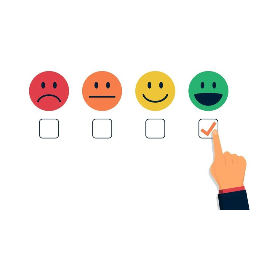
- Structured survey: Closed questions (e.g., yes/no, multiple choice).
- Structured observation: You observe and tell or rate what you see.
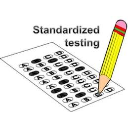
- Standardized tests: Exams or tests with numerical results.


Qualitative method techniques
- Interview: structured, semi-structured or unstructured.
- Focus group: Focus Group.
- Unstructured observation
- Document analysis


Tools/Instruments for Data Collection
Quantitative method:
-Questionnaire: A list of pre-defined questions given to people to obtain information.
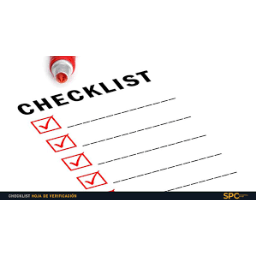
-Checklist: A tool used to mark whether or not something happened during an observation.
-Standardized Test: A test with questions that are the same for everyone, designed to measure knowledge or skills.


Qualitative method
-Interview Guide: A list of questions to follow during an interview.
-Focus Group: A plan with questions to guide a group conversation.
-Field Notes: Notes made while observing something, without intervening.
-Document Analysis Template: A format for reviewing documents in an organized way.


Surveys
-Structured process to obtain information from many people.
-Questionnaire with closed-ended questions such as multiple choice, scales.
-Collect quantitative data that can be counted and analyzed.
-Ideal for large groups of people.


Interviews
-Direct technique where the researcher asks questions to the participants to obtain information.
-Details and points of view are obtained that other techniques do not capture.
-They are more flexible and in-depth than closed-ended questionnaires.
-It can be carried out in person, by telephone or video call. Individual or group.


Focus Group
-It is a technique where several people are brought together to discuss a specific topic.
The moderator is the person who guides the conversation:
+Introduces the topic
+Asks questions
+Prevents one person from dominating
+Encourages everyone to participate
-Can record audio or video to analyze the answers later.


Observation
-It is a way of collecting data by intentionally, systematically and selectively observing what happens in a real situation, without necessarily asking questions.
-Types of conditions:
+Natural: Observed without intervention.
+Controlled: A situation is provoked to see how they react.
-Types of observation:
+Participant The researcher becomes involved in the group's activities.
+Non-participant Only observes without participating, from the outside.


- Full access to our public library
- Save favorite books
- Interact with authors


- < BEGINNING
- END >
-
DOWNLOAD
-
LIKE
-
COMMENT()
-
SHARE
-
SAVE
-
BUY THIS BOOK
(from $3.59+) -
BUY THIS BOOK
(from $3.59+) - DOWNLOAD
- LIKE
- COMMENT ()
- SHARE
- SAVE
- Report
-
BUY
-
LIKE
-
COMMENT()
-
SHARE
- Excessive Violence
- Harassment
- Offensive Pictures
- Spelling & Grammar Errors
- Unfinished
- Other Problem

COMMENTS
Click 'X' to report any negative comments. Thanks!