In this e-magazine we explain the topic and the valid points about the data collection methods, the validity of the interviews and work groups.

WHAT IS DATA COLLECTION

We collect data to learn about something, answer questions, or solve problems.
Methods
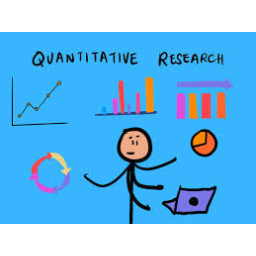
QUANTITATIVE
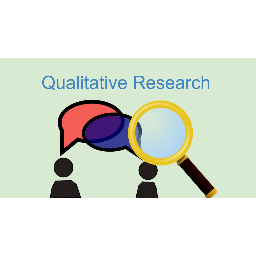
QUALITATIVE
It is numbers.
Example: surveys, tests.
It is words or descriptions.
Example: interviews, observations.
Techniques Ways to collect data
Survey – Ask many people the same questions.
Interview – Talk with one person and ask questions.
Observation – Watch and take notes.
Focus group – Talk with a small group about a topic.
Experiment – Try something and see the result.
Questionnaire – A paper or digital form with questions.
Checklist – A list to mark if something happens.
Camera / Recorder – To record voice or video.
Notebook – To write observations.
Computer / Tablet – To collect or organize data.

Surveys, interviews, focus groups, observation, document analysis
The main objective is to collect data that helps answer research questions or test hypotheses.
SURVEYS
Ask many people the same questions
A survey asks the same questions to many people.
It is used to collect information quickly.
Surveys are good for large groups.
The questions are usually simple and short.
Most questions have options (multiple choice).
Surveys can be paper-based or digital (online).
A questionnaire is the tool used in surveys.
Surveys collect numbers and facts.
This method gives quantitative data.
Surveys are easy to organize.
Answers can be counted and compared.
People can do surveys at home or anywhere.
Surveys are useful in marketing and education.
They are not expensive.
The answers are usually fast to collect.
The questions must be clear.
Many people can answer at the same time.
Surveys may miss deep or personal opinions.
Surveys can be anonymous.
You can use Google Forms or printed papers.
INTERVIEWS
An interview is a face-to-face or online talk.
It is between the researcher and one person.
The researcher asks questions.
The participant answers with their ideas.
Interviews need more time than surveys.
You can do interviews in person, by phone, or video call.
The questions can change during the interview.
Interviews need a quiet place.
The person should feel comfortable.
Interviews can be structured or free (unstructured).
Interviews use open or closed questions.
They are good for deep information.
You can ask follow-up questions.
Interviews give qualitative data.
They help understand opinions and feelings.
The researcher takes notes or records audio.
They are good for small samples.
The researcher must listen carefully.
Answers are rich in detail.
The results need analysis and interpretation.


Interviews need more time than surveys.
You can do interviews in person, by phone, or video call.
The questions can change during the interview.
Interviews need a quiet place.
The person should feel comfortable.
Interviews can be structured or free (unstructured).
They are good for small samples.
The researcher must listen carefully.
Answers are rich in detail.
The results need analysis and interpretation.

FOCUS GROUPS
A focus group is a group discussion.
It usually has 4–10 people.
The group talks about one topic.
The researcher is the group leader.
The leader asks open questions.
People talk, share, and listen.
The goal is to hear many opinions.
Focus groups are good for new ideas.
They give qualitative data.
The talk is recorded or written down.
It is informal but guided.
People feel free to talk.
Everyone has a turn to speak.
You can compare different views.
They help understand group feelings.
Focus groups are used in marketing and education.
They need a quiet space.
The leader must keep order.
People may influence each other.
They are not good for private topics.
DOCUMENT ANALYSIS
This method uses written texts.
It studies books, reports, letters, and more.
It gives secondary data.
You read and take notes.
You can analyze online or paper documents.
It is useful for past events.
It gives qualitative or quantitative data.
It is low-cost.
It needs reading and understanding skills.
You look for patterns or key ideas.
You look for patterns or key ideas.
It is used in history and education.
You must choose reliable sources.
You can find statistics or opinions.
You can compare different sources.
It helps in literature reviews.
It is not good for new data.
Some documents may be old or biased.
The data is not always complete.
It needs time and organization.
Results must be written clearly.
OBSERVATION
Observation means watching people or situations.
The researcher takes notes.
No questions are asked.
It is useful in schools, shops, or nature.
It gives real behavior data.
You can use a checklist or notebook.
You can record videos or photos.
It can be structured (with rules) or open.
You watch actions, not words.
It is used in psychology and education.
The subject may or may not know.
It can be direct or indirect.
It takes time and attention.
The observer must be neutral.
Observation gives qualitative data.
It shows what people do, not what they say.
It is good for studying children or animals.
Observers can miss things.
It may not explain reasons.
The data must be organized after.
Types of scales in questionnaires
The types of scales in questionnaires are ways of measuring participants' responses, especially when it comes to attitudes, opinions, behaviors, or characteristics.
Simple Attitude Scale
Used for basic questions where respondents choose between two options (e.g., Agree/Disagree, Yes/No). • Example: "Do you support the new policy?" (Yes/No)
Category Scale
Provides multiple response options, allowing more nuanced feedback. • Example: "How important is cost in your purchasing decision?" (Very Important, Somewhat Important, Not Important)
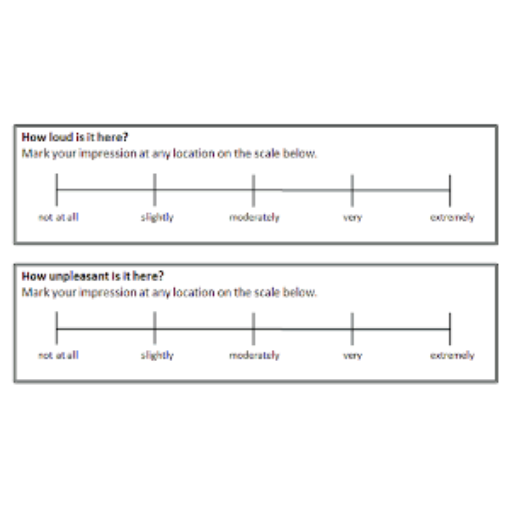
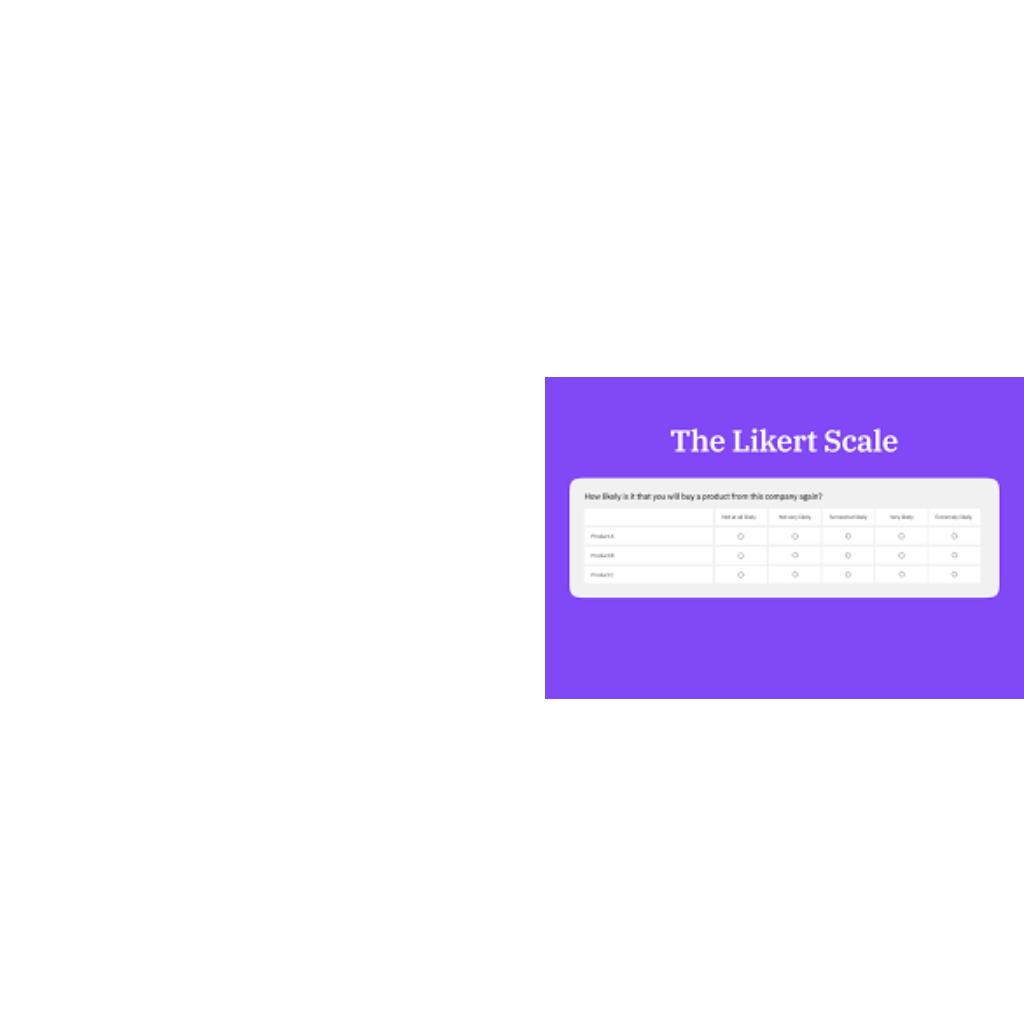
The Likert Scale
Measures the degree of agreement or disagreement with statements. • Example: "I am satisfied with the course content." (Strongly Agree - Strongly Disagree)
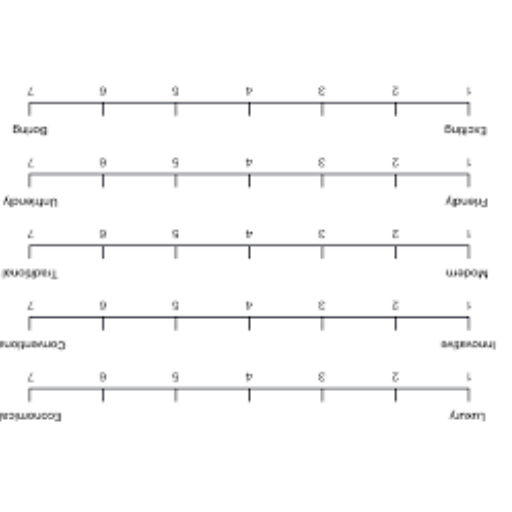
Semantic Scale
Uses bipolar adjectives to assess attitudes or perceptions. • Example: "How would you rate the instructor’s teaching style?" (+3 Very Engaging — -3 Very Boring)
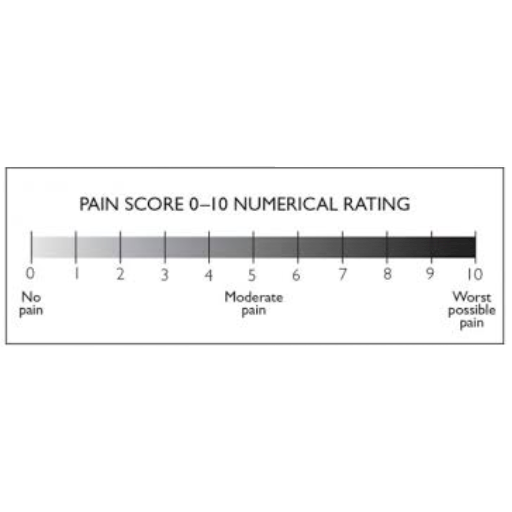
Numerical Scale
Assigns numbers to indicate intensity or degree. • Example: "Rate the workshop from 1 (Not Effective) to 5 (Very Effective)."

- Full access to our public library
- Save favorite books
- Interact with authors
- < BEGINNING
- END >
-
DOWNLOAD
-
LIKE
-
COMMENT()
-
SHARE
-
SAVE
-
BUY THIS BOOK
(from $8.19+) -
BUY THIS BOOK
(from $8.19+) - DOWNLOAD
- LIKE
- COMMENT ()
- SHARE
- SAVE
- Report
-
BUY
-
LIKE
-
COMMENT()
-
SHARE
- Excessive Violence
- Harassment
- Offensive Pictures
- Spelling & Grammar Errors
- Unfinished
- Other Problem






COMMENTS
Click 'X' to report any negative comments. Thanks!