




With Love,
Mom

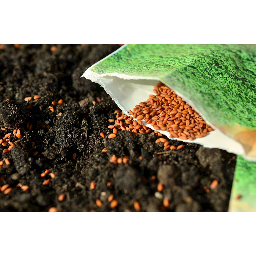
Hello there, my name is Ms. Tiller. I am an educator, and I welcome you to our classroom—where character building and learning bloom. First, we must check the soil to ensure it contains all the necessary and important elements that will produce fertile minds, ready to grow and thrive.
Now, our students will introduce themselves to you. They have been given the autonomy to explain to our readers how to check the soil—and why it matters.


Hi, my name is Kent. I’m a fourth grader, and so are my peers. I will try to be as brief and insightful as I possibly can to explain how the soil can symbolically represent both a literal classroom and your brain.
Note: When you check the soil, you are checking for toxins, contamination, water content, color richness, and whether it is chemically pH-balanced. There are more details to share, but I must allow my other friends to speak, that would only be fair!


Hey there, curious readers and leaders! My name is Kennedy. Kent did an excellent job introducing the soil, and he’s right—there’s more! Did you notice the seeds being sprinkled into the soil? Can seeds grow in soil that is too dry or too rocky? The answer is no. The soil needs moisture to start the germination process. Dry soil would prevent a plant from sprouting.
The same is true for our classroom and our brains. We must ensure that our learning environment is balanced and well-managed. For our brains, we have to feed them with the proper balance of foods and positive attitudes. What you behold, you will eventually become. The whole person should be healthy in order to thrive.

I’m Keegan! I hope you’re fully tuned in to our presentation. The students worked really hard to pull this off, and we’re just as excited to share what we’ve learned as you are—or maybe will be—while you’re hearing it.
You know, in order for learning to be effective, we have to treat the soil like a classroom. We have expectations for what we plant in the soil to grow, and the same goes for each one of us. We have to work at it: tilling it, removing the weeds, watering it, and feeding it with organic, nutrient-rich compost. Based on what we learned from the soil, we created four purposeful classroom expectations to mimic what we want to see blossom in it.

Our Classroom Expectations Creed
1. Poor and destructive attitudes are forbidden, ( in soil terms: remove all debris from the soil).
2. The right attitude to determines your altitude, ( in soil terms: be intentionally balanced, the soil was tested).
3. You can demonstrate these laws all day long: love, kindness, gentleness, goodness, and peace-fulness. (in soil terms, what you sow, you also will reap).
4. Exercise niceness please. ( in soil terms, fertilize your attitude, and think before you act).
Hanging out with Leila, I’m your next presenter! I love coming to school to learn, but most of all, I love a healthy environment that is conducive to learning. Ultimately, that’s why our class chose the soil as a representation—a concept, an idea—of how our classroom is managed.
It’s all hands on deck; we must each be participants in change that is both positive and intentional. I love putting my hands in the soil, planting seeds, and watching expectantly for results. The same holds true for me as a student. I want to be careful how I treat others, and I don’t want to pollute the atmosphere—in or out of the classroom—with poor behavior.
- Full access to our public library
- Save favorite books
- Interact with authors

- < BEGINNING
- END >
-
DOWNLOAD
-
LIKE
-
COMMENT()
-
SHARE
-
SAVE
-
BUY THIS BOOK
(from $2.99+) -
BUY THIS BOOK
(from $2.99+) - DOWNLOAD
- LIKE
- COMMENT ()
- SHARE
- SAVE
- Report
-
BUY
-
LIKE
-
COMMENT()
-
SHARE
- Excessive Violence
- Harassment
- Offensive Pictures
- Spelling & Grammar Errors
- Unfinished
- Other Problem

COMMENTS
Click 'X' to report any negative comments. Thanks!

