What are the 6 Kingdoms?
The six kingdoms represent a way to classify all living organisms based on their characteristics and evolutionary relationship relationships.
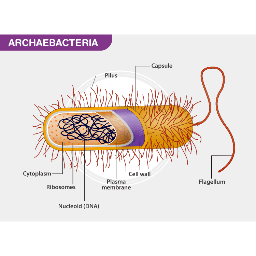
The first of the six kingdoms is Archaebacteria.
Archaebacteria are a single celled prokaryote that often live in extreme environments, like hot springs and deep sea vents. They distinct from bacteria and eukaryotes. They differ in cell structure and metabolism. They play key roles and nutrient cycling in are vital in understanding early lifeforms.

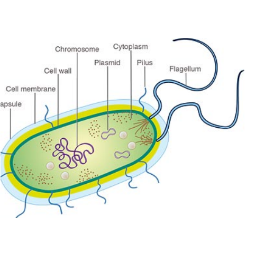
The second of the six kingdoms is Eubacteria.
Eubacteria is now commonly called bacteria. They’re single celled organisms found everywhere. They have a simple cell structure without a nucleus and place essential rules in the nutrient cycle, decomposition, and some caused diseases. They are very diverse and vital for various ecological processes.

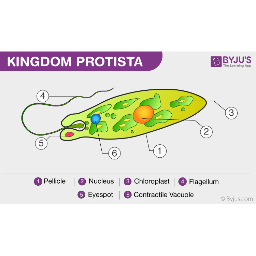
The third of the six kingdoms is Protista.
Protista is a diverse group of eukaryotic microorganisms. They are mostly single celled, but can form colonies. They include things like algae, Protozoa, and slime molds. They exhibit a wide range of nutritional modes, such as photosynthesis and heterotrophy. Their ecologically important as primary producers and consumers.

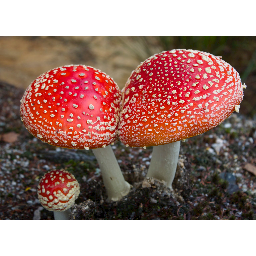
The fourth of the six kingdoms is fungi.
Fungi or a kingdom of eukaryotic organisms, including yeast, mold, and mushrooms. They are heterotrophic, obtaining nutrients by absorption, and have cell walls made of chitin. Fungi play, crucial roles as decomposers, and recyclers. Some are even used in food, production, and medicine

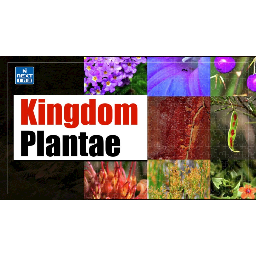
The fifth of the six kingdoms is Plantae.
Plantain is the kingdom of multicellular, eukaryotic organisms characterized by photosynthesis. Plants have cell walls made of cellulose And chloroplast, containing chlorophyll. Their primary producers in most ecosystems, converting sunlight into chemical energy, and are essential for oxygen production and supporting food webs.

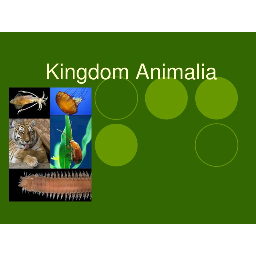
The last of the six kingdoms is Animalia.
Animalia Is the kingdom of a multicellular eukaryotic organisms that are heterotrophic meaning they obtain nutrients by consuming other organisms. They are characterized by complex tissue organization mobility, and sensory systems. They played diverse roles in ecosystems, including predation, herbivore and decomposition. They exhibit a wide range of body plans, and behaviors.

Quiz:
1. What is this called- A way to classify all living organisms based on their characteristics and evolutionary relationships.
A. Animalia
B. Bacteria
C. Fungi
D. The 6 Kingdoms
- Full access to our public library
- Save favorite books
- Interact with authors

- < BEGINNING
- END >
-
DOWNLOAD
-
LIKE
-
COMMENT()
-
SHARE
-
SAVE
-
BUY THIS BOOK
(from $2.99+) -
BUY THIS BOOK
(from $2.99+) - DOWNLOAD
- LIKE
- COMMENT ()
- SHARE
- SAVE
- Report
-
BUY
-
LIKE
-
COMMENT()
-
SHARE
- Excessive Violence
- Harassment
- Offensive Pictures
- Spelling & Grammar Errors
- Unfinished
- Other Problem

COMMENTS
Click 'X' to report any negative comments. Thanks!