Soccer (called football in most countries) is the world’s most popular sport. It’s played by two teams of 11 players each, with one simple goal — score more goals than your opponent by getting the ball into their net.
A standard match lasts 90 minutes, split into two halves of 45 minutes each. If both teams score the same number of goals, it’s a draw. In tournaments, extra time or penalties may decide the winner.
Soccer is loved because it’s simple — all you need is a ball — and it builds teamwork, fitness, and skill.
Kick-off: The game starts at the center circle.
No Hands Rule: Only the goalkeeper can use their hands (and only inside their penalty box).
Throw-In: When the ball goes out on the sidelines, the other team throws it back in.
Corner Kick & Goal Kick: Decide how play restarts when the ball crosses the goal line.
Fouls: Kicking, tripping, pushing, or holding another player is not allowed.
Cards:
Yellow Card: Warning.
Red Card: Player sent off.
Offside Rule: A player can’t be closer to the opponent’s goal than both the ball and the second-last defender when the ball is passed to them.
CHAPTER 3: POSITIONS AND ROLES
1. Goalkeeper (GK) – Protects the goal; can use hands.
2. Defenders (CB, LB, RB) – Stop the opposing team’s attacks.
3. Midfielders (CM, CAM, CDM) – Connect defense and attack; control possession.
4. Forwards (CF, ST, LW, RW) – Score goals and create chances.
The art of controlling the ball while running.
Tips:
Keep the ball close to your feet.
Use both feet.
Practice quick changes of direction. Famous dribblers: Lionel Messi, Neymar and C.Ronaldo.
Moving the ball to a teammate.
Types:
Short pass (inside foot),
Long pass (instep),
Through ball (between defenders),
One-touch pass.
Scoring goals!
Tips:
Plant your non-kicking foot beside the ball.
Look at the ball, not the keeper.
Follow through with your kick.
Stopping the attack.
Techniques:
Stay on your feet (don’t dive in).
Watch the ball, not the player.
Use your body to block shots and passes.
Use all parts of your body — feet, thighs, chest, and head — to receive the ball smoothly.
Direct the ball with your forehead. Keep your eyes open and time your jump.
Common formations:
4-4-2: Balanced, good for beginners.
4-3-3: Great for attacking.
3-5-2: Strong midfield control.
4-2-3-1: Used by many modern teams.
Basic strategies:
Possession Play: Keep the ball and wear down opponents.
Counterattack: Defend deep, then attack fast.
High Press: Pressure opponents to make mistakes.
CHAPTER 6: TRAINING AND FITNESS
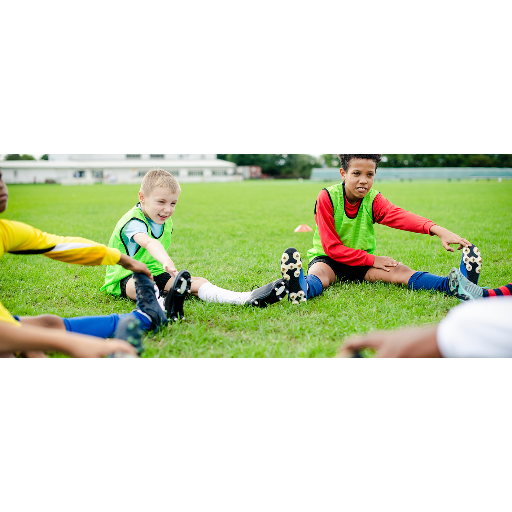
Warm-up: Light jog + stretching.
Agility: Ladder drills, cone dribbles.
Strength: Squats, lunges, core workouts.
Stamina: Interval running.
Ball Control Drills: Juggling, wall passes, small-sided games.

- Full access to our public library
- Save favorite books
- Interact with authors
Soccer is more than a game — it’s a language, a culture, and a passion shared worldwide. Whether you dream of becoming a player, a coach, or a fan, the key is simple: enjoy the journey, keep practicing, and never stop learning.
CONCLUSION

- < BEGINNING
- END >
-
DOWNLOAD
-
LIKE
-
COMMENT()
-
SHARE
-
SAVE
-
BUY THIS BOOK
(from $3.79+) -
BUY THIS BOOK
(from $3.79+) - DOWNLOAD
- LIKE
- COMMENT ()
- SHARE
- SAVE
- Report
-
BUY
-
LIKE
-
COMMENT()
-
SHARE
- Excessive Violence
- Harassment
- Offensive Pictures
- Spelling & Grammar Errors
- Unfinished
- Other Problem

COMMENTS
Click 'X' to report any negative comments. Thanks!