Main aims
Commemoration with dignity: honor the memory of those who sacrificed for Ukraine, including civilians, military personnel, and foreign nationals, through respectful, accurate, and ceremony-like storytelling.
Cross-cultural remembrance: create a collaborative memory book that reflects diverse perspectives (Ukrainian, refugee, diaspora, local supporters, international allies) while honoring shared values of peace and resilience.
Education for empathy and peacebuilding: foster understanding of the human costs of conflict and explore pathways to peaceful coexistence, reconciliation, and humanitarian support.
Responsible storytelling and memory literacy: teach students to distinguish memory, interpretation, and fact, and to present testimonies with consent, sensitivity, and context.
Inclusive remembrance practices: ensure voices from affected communities (including displaced persons and marginalized groups) are heard and represented with equity.
Digital collaboration and memory curation: develop students’ collaboration, collaboration skills across borders, and digital literacy to curate a living, accessible memory resource.
Ethical memorialization framework: embed safeguarding, consent, privacy, and legal compliance in all activities, with clear guidelines on content use and dissemination.
Supportive wellbeing approach: recognize potential trauma associated with conflict remembrance and provide age-appropriate, opt-in activities, with access to psychological and pastoral support as needed.
Public remembrance with accountability: publish a memory book or digital collection that is accurate, clearly labeled (testimony vs. interpretation), properly attributed, and accessible to schools, families, and communities.

WHAT IS WAR?
War is a state of organized, large-scale conflict between groups, typically nations or states, that involves formal combat, use of military forces, and often aims to achieve political, territorial, or ideological objectives. It is characterized by sustained violence, strategic planning, and breakdowns in ordinary law and order.
Key aspects:
Types of war:
TYPES OF WAR
Conventional war
Conventional war is a type of interstate or intrastate conflict fought mainly with traditional military forces and weapons, rather than with unconventional methods or non-state actors. Here are some key features:
Guerrilla warfare
Guerrilla warfare is a form of irregular warfare in which small, mobile armed groups use ambushes, hit-and-run tactics, and other asymmetrical methods to fight a larger, conventional enemy. It often focuses on wearing down the opponent and winning support from local populations rather than achieving a decisive battlefield victory. Key characteristics:
Total war
Total war is a form of warfare in which a belligerent mobilizes all available resources and population support to achieve complete victory, often blurring the line between military and civilian spheres.
Key features:
Civil war
Civil war is a high-intensity internal conflict within a country between organized opposing groups, typically vying for political power, control of the state, or significant policy changes. It involves sustained armed conflict between these groups and the government or between rival state-like factions, and it often lasts for years or longer.
Key features:
Asymmetric war
Asymmetric warfare is a type of conflict in which the opposing sides have markedly different military capabilities, strategies, or resources. Because of these disparities, the weaker side adopts unconventional or non-traditional methods to level the playing field, while the stronger side must adapt to non-traditional threats.
Key characteristics:
THE MAIN DRIVERS THAT HISTORICALLY LEAD TO WAR
Security concerns
Territorial and resource disputes
Power and prestige
Ideology and religion
Economic factors
Misperception and miscalculation
Alliance commitments and entanglements
Domestic politics and leadership incentives
Crisis instability and miscommunication
Historical grievances and unresolved disputes
THE WAR IN UKRAINE
TIMELINE
2014
2015
2016–2019 (continuing conflict and stabilization attempts)
2020–2021
2022
2023
2025
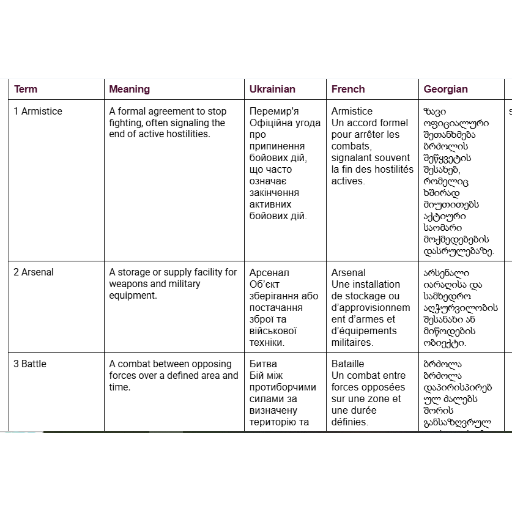
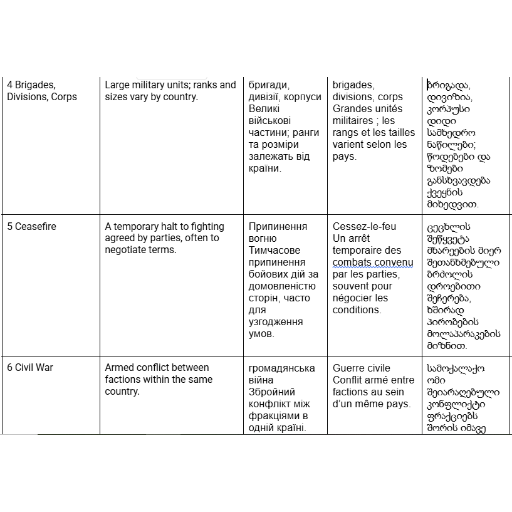
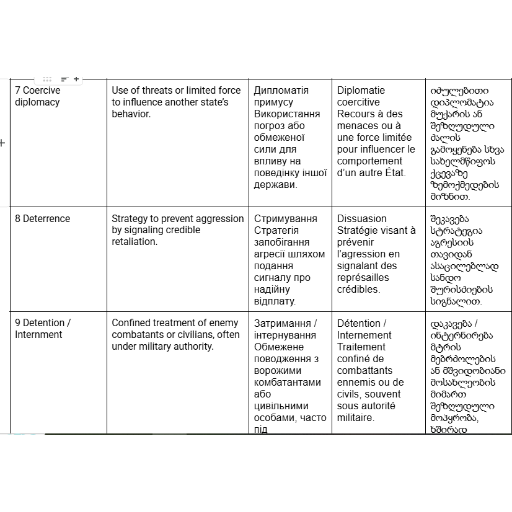
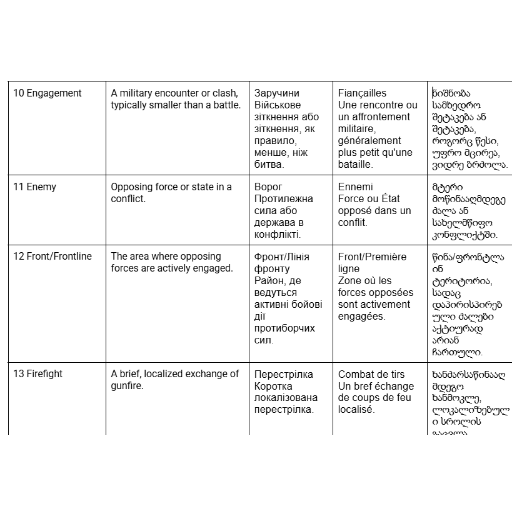
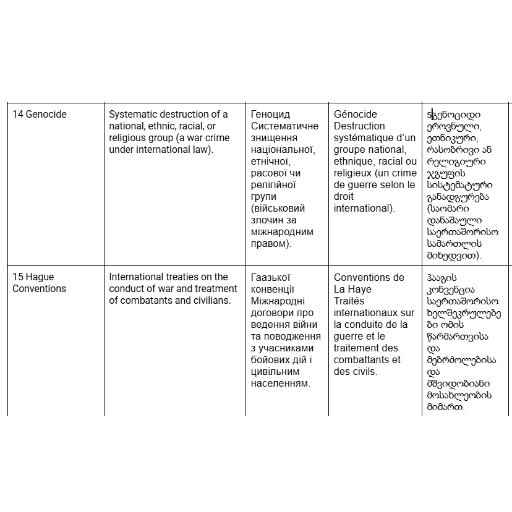
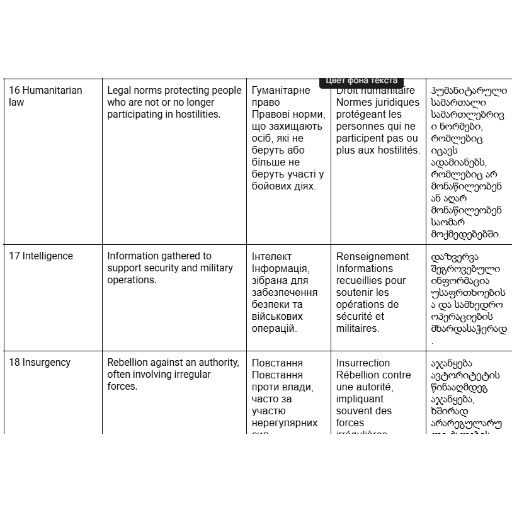
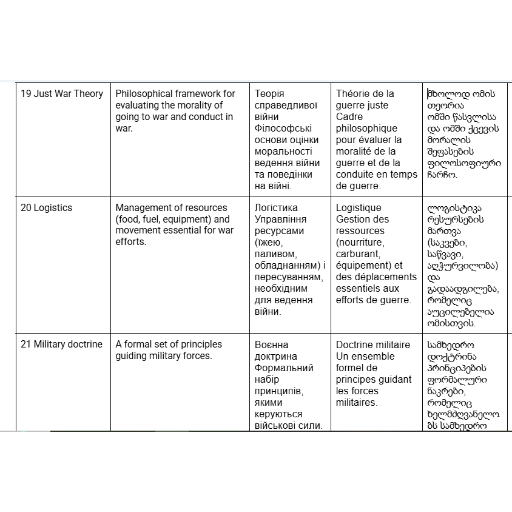
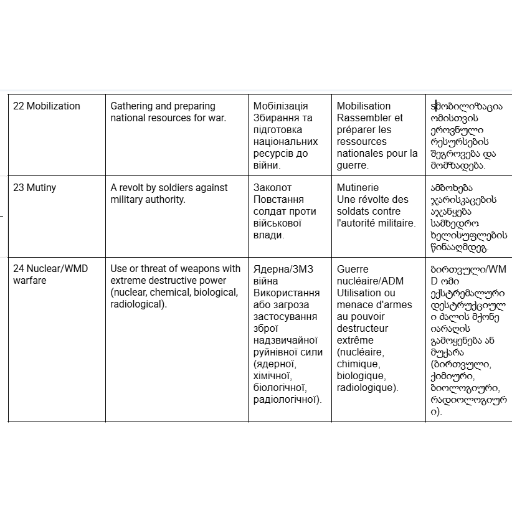
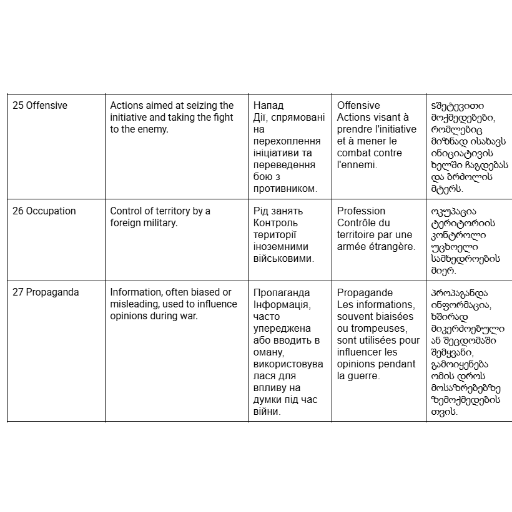
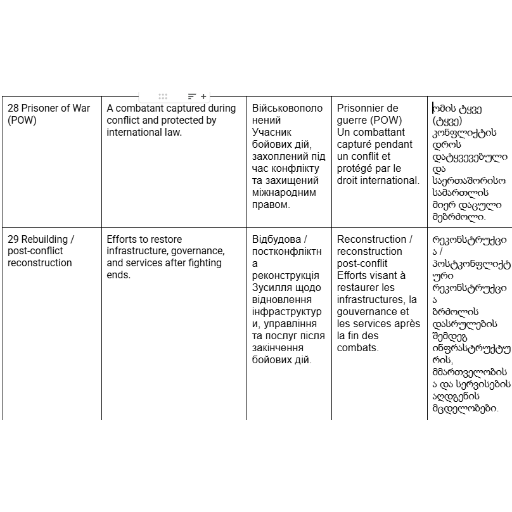
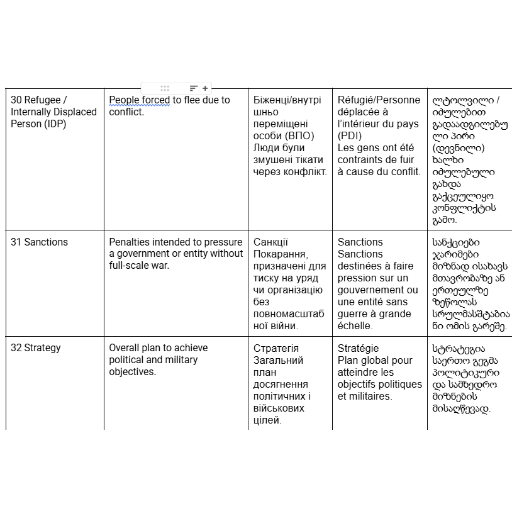
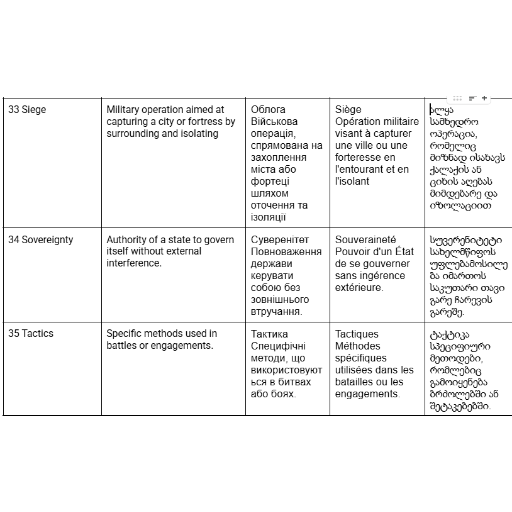
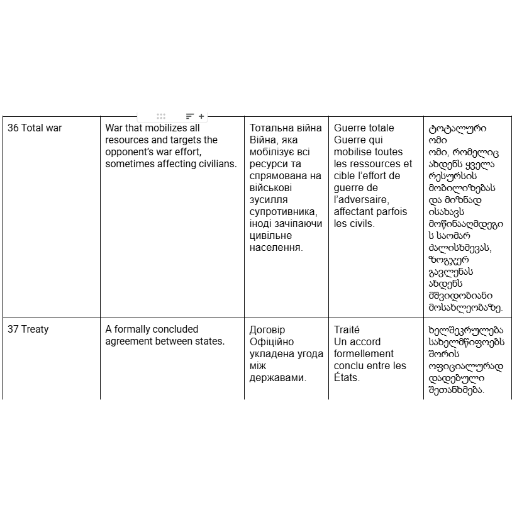
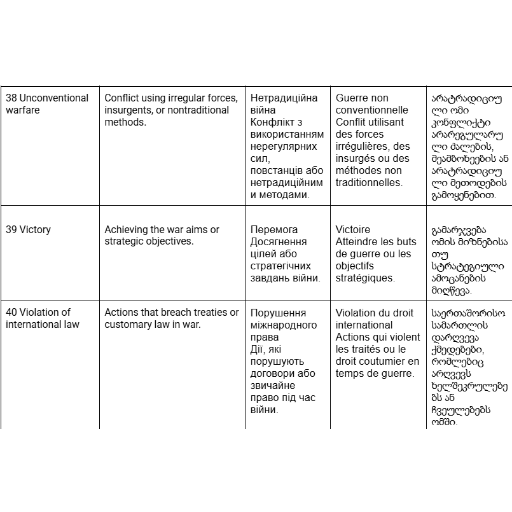
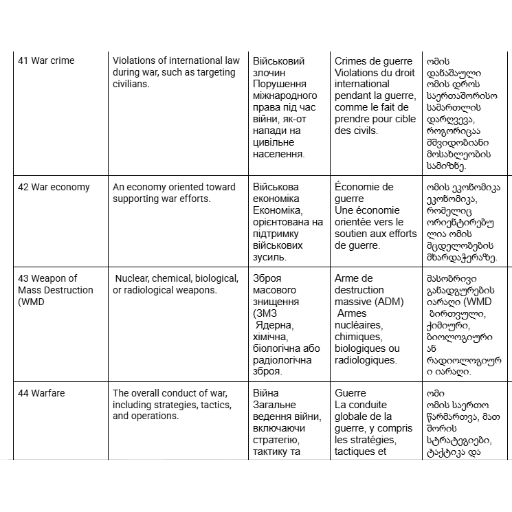
Glossary with key terms in multiple languages
Recorded vocabulary link
https://voicethread.com/myvoice/thread/32937806
ABC's of
PEACE AND WAR
A is for ALIVE - ATTROCITY
Alive - having life : not dead or inanimate
ATROCITY - an extremely wicked or cruel act, typically one involving physical violence or injury. Team 1-Team 4
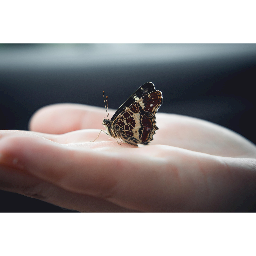
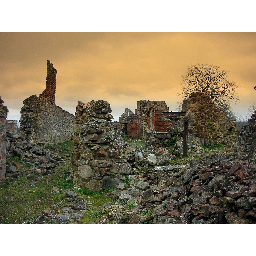
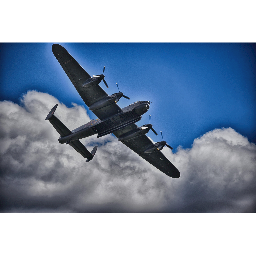
B is for BEAUTY - BOMBER
BEAUTY - a combination of qualities, such as shape, colour, or form, that pleases the aesthetic senses, especially the sight.
BOMBER - an aircraft designed to carry and drop bombs. Team 1-Team 4
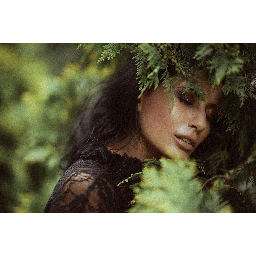
C is for COMPASSION-CRUELTY
COMPASSION- sympathetic consciousness of others' distress together with a desire to alleviate it.
CRUELTY-behaviour which causes physical or mental harm to another
Team 1-Team 4
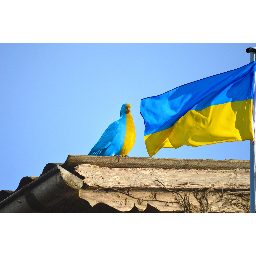
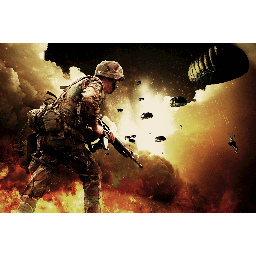
D is for DOLL - DANGER
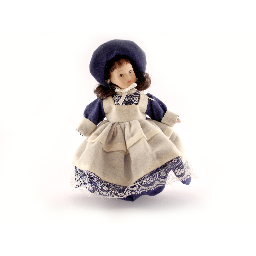
DOLL - a small model of a human figure, typically one of a baby or girl, used as a child's toy.
DANGER - the possibility of suffering harm or injury.
Team 1-Team 4
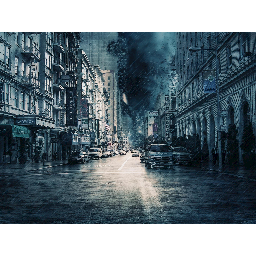
E is for EQUALITY - ENEMY
EQUALITY - refers to the right of every individual to equal treatment and opportunities
ENEMY- a hostile nation or its armed forces, especially in time of war.
Team 1-Team 4

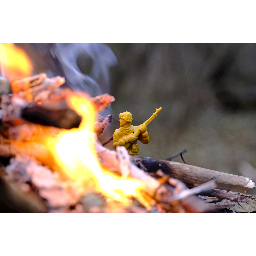
F is for FREEDOM - FORTIFICATION
FREEDOM -the state of not being imprisoned or enslaved.
FORTIFICATION - a defensive wall or other reinforcement built to strengthen a place against attack.
Team 1-Team 4

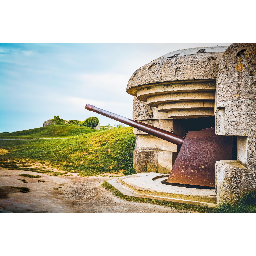
G is for GOODWILL and GUN
GOODWILL: friendly and helpful feelings
GUN: a weapon that bullets or shells are fired from
Team 1-Team 4
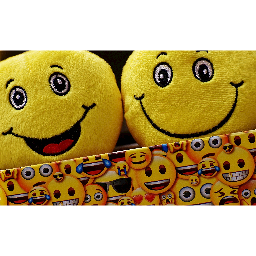
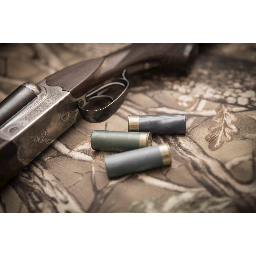
H is for HAPPY - HOLOCAOUST
HAPPY - feeling, showing, or causing pleasure or
satisfaction
HOLOCAUST - a very large amount of
destruction, especially by fire or heat, or the killing of very large numbers of people
Team 2- Team 1
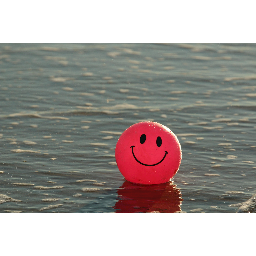
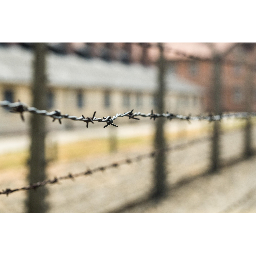
I is for INNOCENT - INJURIES
INNOCENT - not guilty of a crime or offence.
INJURIES - physical harm or damage to someone's body caused by an accident or an attack
Team 2- Team 1
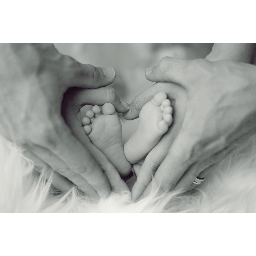
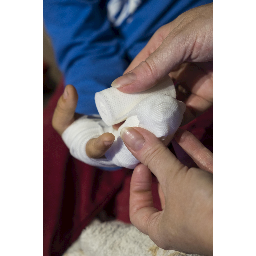
J is for JOY - JETTISONED MINES
JOY - a feeling of great pleasure and happiness
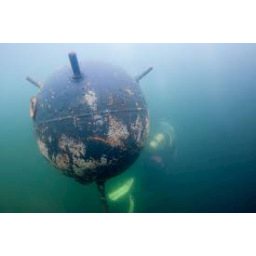
JETTISONED MINES - Mines which are laid as quickly as possible in order to empty the minelayer of mines, without regard to their condition or relative positions.
Team 2- Team 1
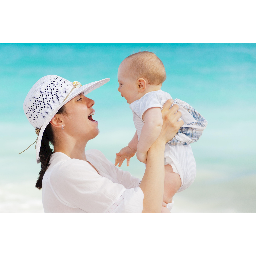
K is for KIDS - KILL
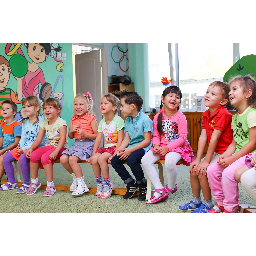
Kids - a child or young person.
Kill - cause the death of (a person, animal, or other living thing). Team 2- Team 1
L is for LOVE - LAUNCHER
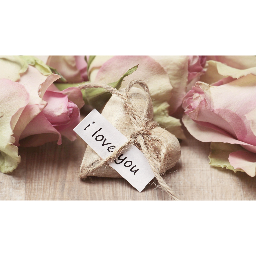
LOVE - is an emotion that keeps people bonded and committed to one another.
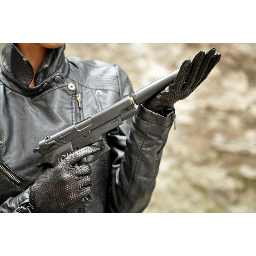
LAUNCHER - a device for launching a missile.
Team 2- Team 1
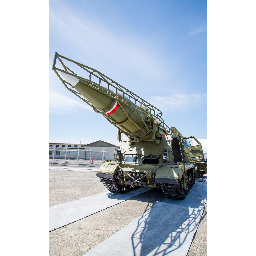
M is for MERCIFULNESS-MALIGNITY
MERCIFULNESS-a disposition to be kind and forgiving.
MALIGNITY-persistent, intense ill will or desire to harm others
Team 2- Team 1
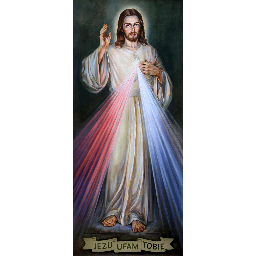
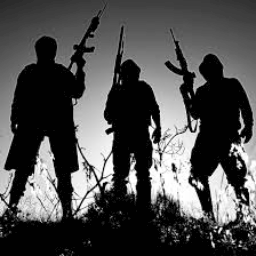
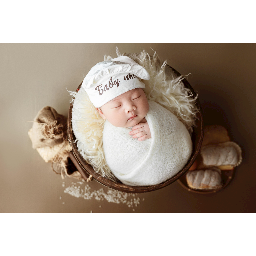
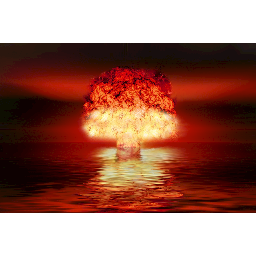
N is for NEWBORN - NUCLEAR BOMB
NEWBORN - a recently born child
NUCLEAR BOMB - is an explosive device that derives its destructive force from nuclear reactions, either fission (fission bomb) or a combination of fission and fusion reactions
Team 2- Team 1
O is for OPEN-MINDED - OCCUPIERS
OPEN-MINDED-willing to consider new ideas; unprejudiced.
OCCUPIERS - a member of a group that takes possession of a country by force.
Team 3- Team2
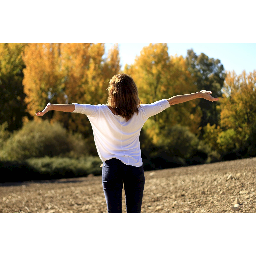
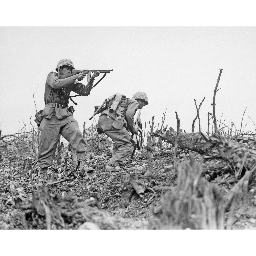
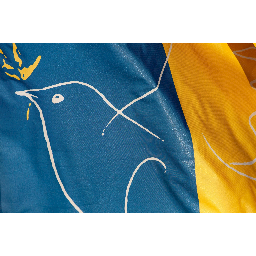
P is for PEACE - PHOTOFLASH BOMB
PEACE - a state or period in which there is no war or a war has ended.
PHOTOFLASH BOMB - is explosive ordnance dropped by aircraft, usually military surveillance aircraft, designed to detonate above ground to create an extremely bright flash of light.
Team 3- Team2
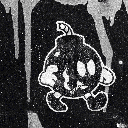
Q is for QUIET - QUELL
QUIET - Calm, peaceful; without being interrupted
QUELL - to stop something such as violent behaviour or protests
Team 3- Team2
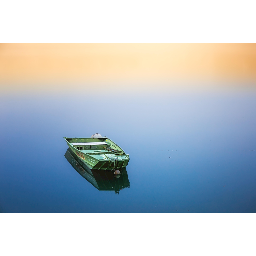
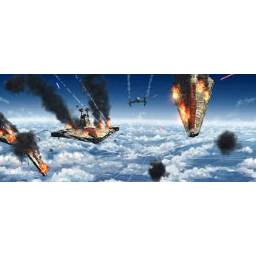
R is for RECOVERY - REFUGEE
RECOVERY - the act or process of getting better;
improvement
REFUGEE -a person who has escaped from their own country for political, religious or economic reasons or because of a war
Team 3- Team2
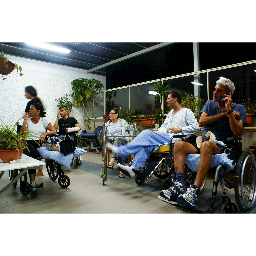
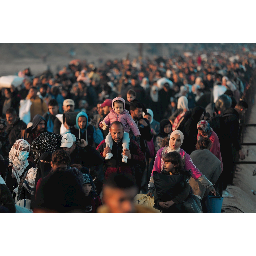
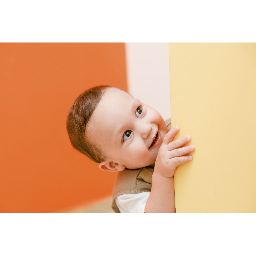
S is for SMILE - SLAUGHTER
Smile a pleased, kind, or amused facial expression
SLAUGHTER is the brutal, large-scale killing of people
Team 3- Team2
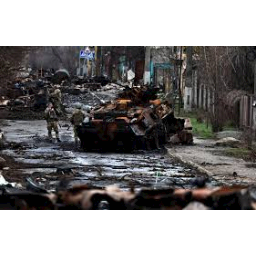
T is for TOLERANCE - TANK
TOLERANCE -the ability or willingness to tolerate the existence of opinions or behaviour that one dislikes or disagrees with.
TANK - a heavy armoured fighting vehicle carrying guns and moving on a continuous articulated metal track.
Team 3- Team2

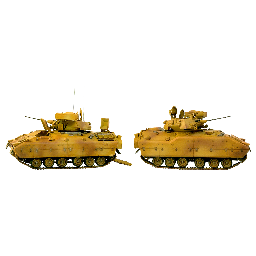
U is for UNITED-UNFRIENDLY
UNFRIENDLY - The crowd was unfriendly and dangerous.
Team4-Team3
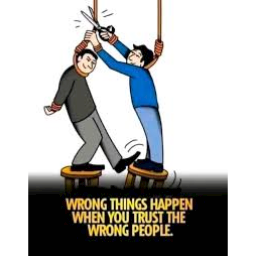
V is for VICTORY-VIOLENCE
VICTORY-triumph mean a success in a competition or struggle.
VIOLENCE-Violence is the use of physical force so as to injure, abuse, damage, or destroy.Team4-Team3
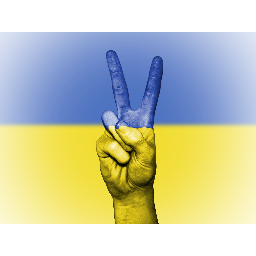

W is for WELFARE - WAR
WELFARE - the general health, happiness and safety of a person, an animal or a group
WAR - a situation in which two or more countries or groups of people fight against each other over a period of time
Team4-Team3

X is for X-mas - XENOFOBIA
X-MAS - abbreviation for Christmas
XENOFOBIA -extreme dislike or fear of foreigners, their
customs, their religions, etc.
Team4-Team3

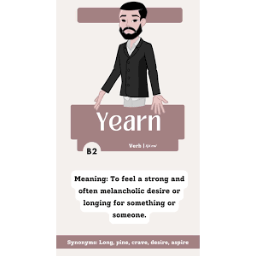
Y is for YIELD - YEARN
YIELD - to supply or produce something positive
such as a profit, an amount of food or information
YEARN - to desire something strongly, esp. something difficult or impossible to obtain
Team4-Team3

Z is for ZOO - ZONE OF FIRE
ZOO - an establishment which maintains a collection of wild animals, typically in a park or gardens, for study, conservation, or display to the public.
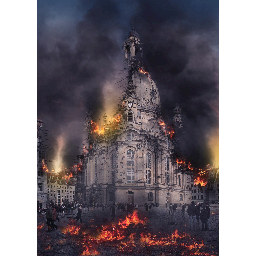
ZONE OF FIRE - IT'S WHAT IS UKRAINE NOW
Team4-Team3
VOICES AND STORIES
Personal narratives
Letters and messages
Quotations
Photo captions
TEAM 1
PERSONAL NARRATIVES
Mentor: Sandrine
Mathis ( France )
Basil ( France)
Tobias ( France)
Keti (Georgia)
Silvio +Yazid ( France)
Ivan Liutikov (Ukraine)
Nick (Ukraine)
Stacey Avetisian (Ukraine)
Kseniia (Ukraine)
Volodymyr (Ukraine)
Artem (Ukraine)
Personal narratives
Writing a personal narrative about how you feel regarding the war in Ukraine can be powerful, but the key is to make it about your lived perspective—what you noticed in yourself as you learned, watched, reacted, and tried to live alongside it.
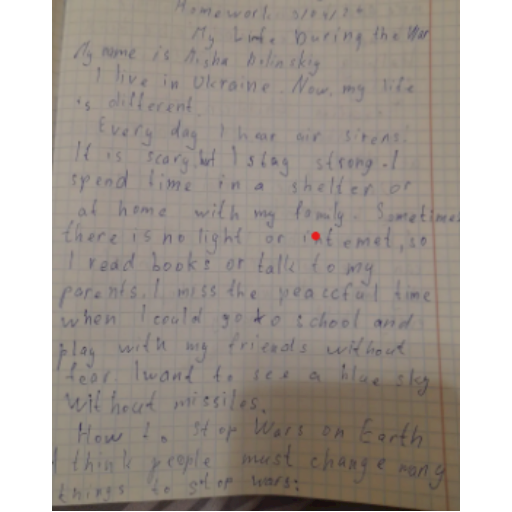
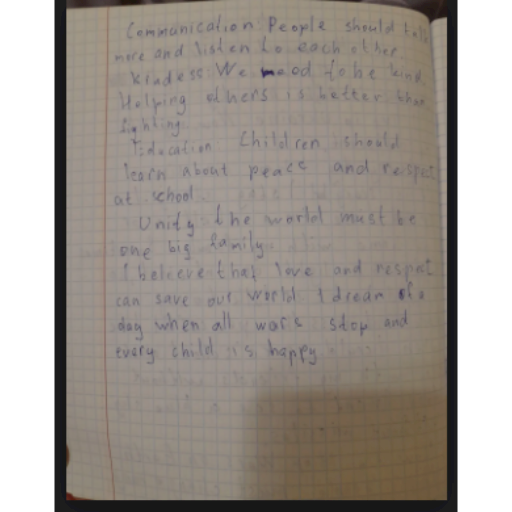
My life during the war in Ukraine. What should be improved to stop the wars on the earth.
Misha, Lyceum 130
Anna, Lyceum 130 Andrew, Lyceum130
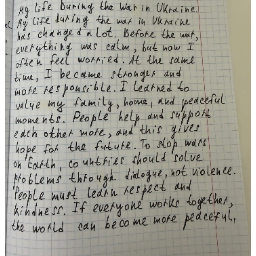
Viktoria, Lyceum 130 Illia, Lyceum 130
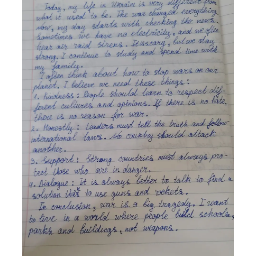
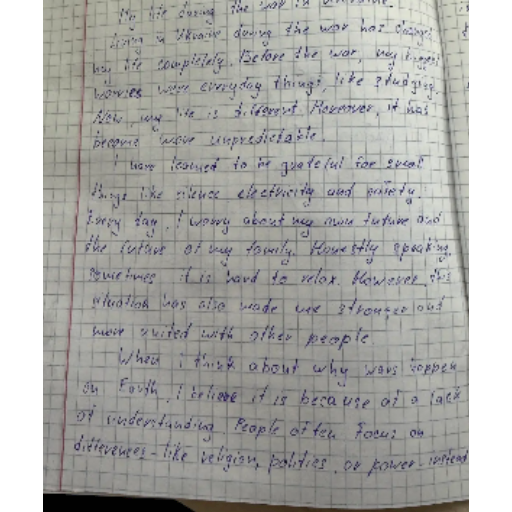
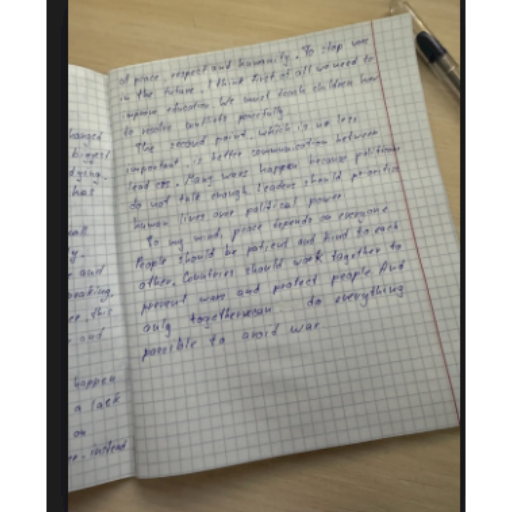
Arsen, Lyceum 130
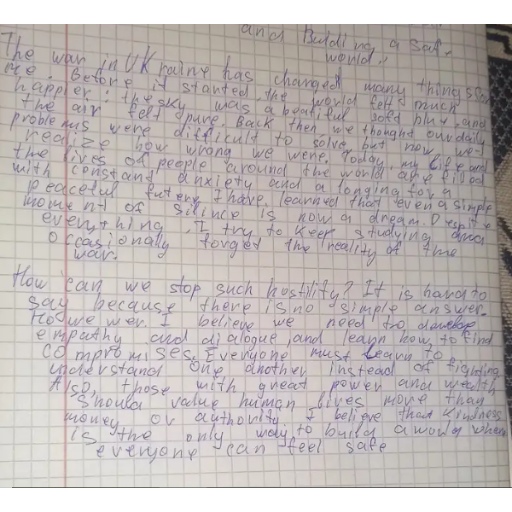
Karina, Lyceum 130 Nick, Lyceum 130
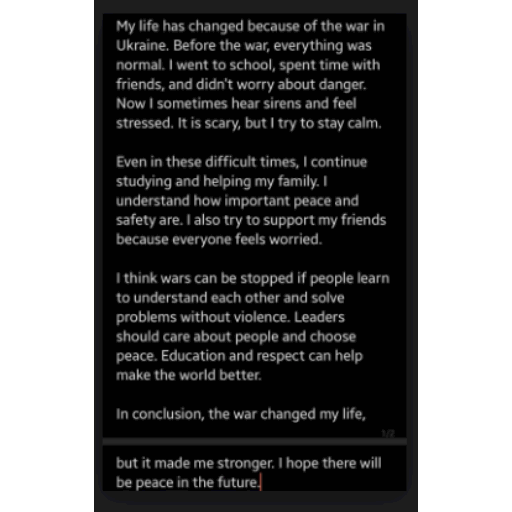
Eva, Lyceum 130 Lera, Lyceum 130
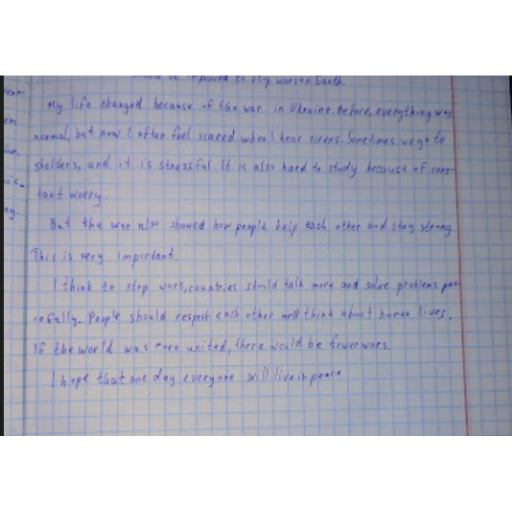
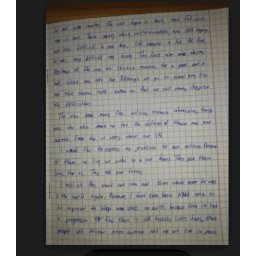
Maria, Lyceum 130 Stacey, Lyceum130
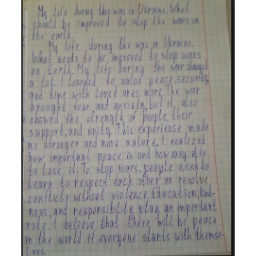
Artem Sofroniuk, Avanhard lyceum
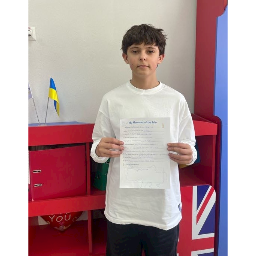
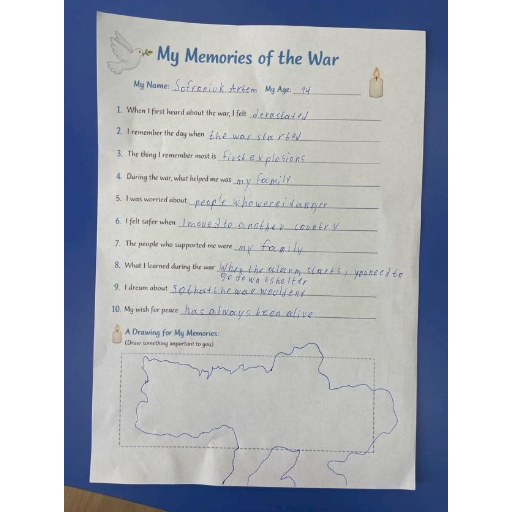
Volodymyr Deren, Avanhard Lyceum
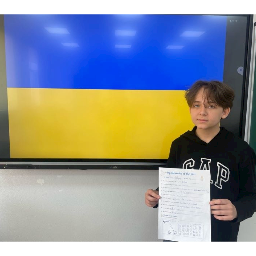
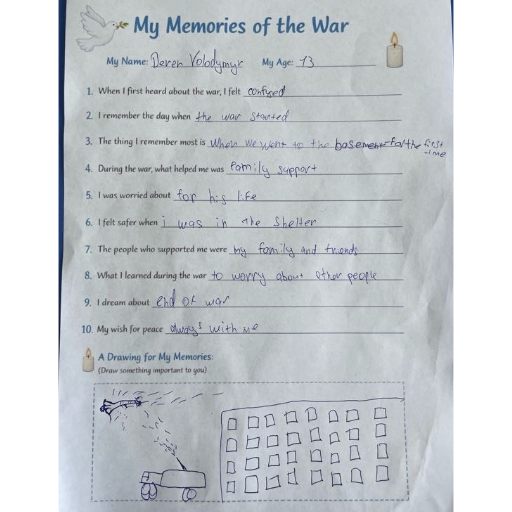
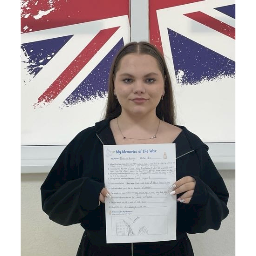
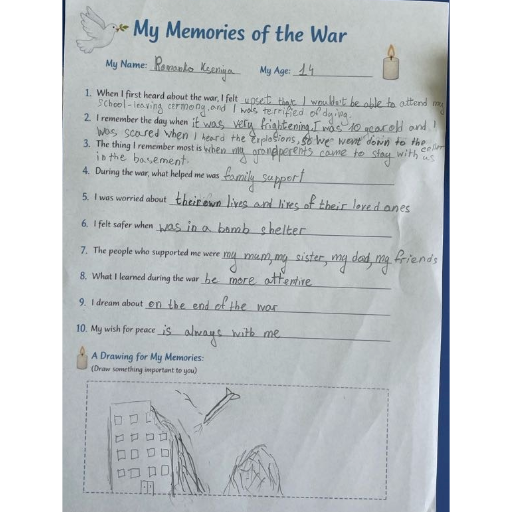
Ksenia Romanko, Avanhard Lyceum
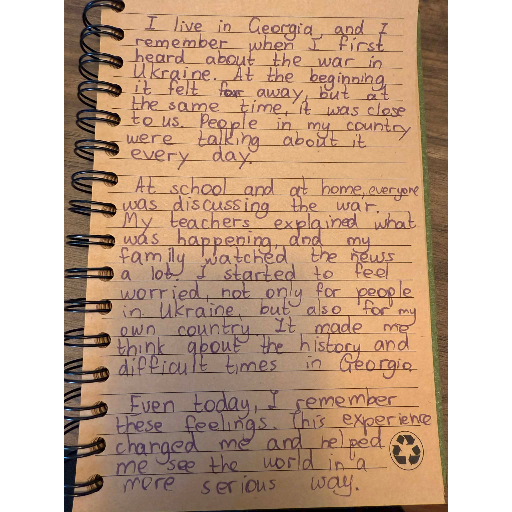
Georgia,Kutaisi
LTD School N1
Kate
TEAM 2 LETTERS AND MESSAGES
Mentor: Salome
Barbare (Georgia)
Marta, Mariam, Barbare (Georgia)
Alina (Ukraine)
Ilya (Ukraine)
Katerina ( Ukraine)
Anna P.(Ukraine)
Nastia(Ukraine)
Anna K(Ukraine)
Arina (Ukraine)
Mykola (Ukraine)
Mykyta (Ukraine)
Kseniia (Ukraine)
Oleksandr (Ukraine)
Letters of support to the People of Ukraine
the source - Ukrainian Ambessy in London
Terence Murtagh, Fleetwood, Lancashire:“Dear Mr Ambassador,Just to say that your country and people are in my thoughts at thisdifficult time for you. Be brave and strong , you are not alone.Pray for the Ukraine.”
Dr Brian Eyden, Manchester:
"Dear Ambassador,
I am an ordinary British citizen, but one with professional contacts in the former eastern European bloc. Like many people, l am also very concerned at current developments in your country. I simply want to express my moral support for your country and the Ukrainian people in their struggle to maintain Ukraine's territorial integrity in the face of a larger and more powerful neighbour.
I feel sure there are many people in Britain who have the same sentiments of support for Ukraine as expressed here even though they may not be writing to you."
Gregory Barry, an Australian Citizen, living in Britain, in awe of your resolve and bravery:
"I am writing simply to commend you and your citizens on the resolve and integrity that you have shown throughout this troubling period in your country.
My knowledge of the events comes solely from the media however what astounds me is the restraint and respect for you country that your citizens have shown.
The restraint that your citizens have shown in the face of adversity and aggression sets an fine example for every nation in the world.
Aggression is always fought with aggression in this world and your citizens must be commended on their bravery and resolve. Not one person has responded with aggression to your occupiers and you as a nation in the period of change have charged your duties with dignity."
Paul P Burns, Preston Lancs:
"Dear Mr.Ambassador,
God Bless the Ukraine…
I have only seen two heroes in my life time…
The First Hero was the man who in spite of the presence of all those Washington DC Firefighters jumped into the frozen Potomac to rescue the flight attendant from the downed aircraft…greater love hath no man…
The Second Hero was unarmed Colonel Yuli Mamchor who marched forward with his courageous motely squad, on all our peaceful behalf as we cheered him on to face down the might of the Red Army. He knew and we knew he could at that moment die.
Such a Patriot and so devoted to his Ukraine; his Flag ;and his Duty.
What followed on the ground did not matter. He maintained control and far away from the true heroes on both sides at that moment of real history a thug called Putin blinked.From that defining moment it was all over….…greater love hath no man…
The Ukraine and we owe the Colonel so much but the least we and you can do is to give him a new uniform and replace his badly worn shirt. He deserves so much more.
Peace be with Ukraine from an Irishman who understands oppression and war. I raise my hand in salute".
Peter Emerson, Belfast:
"Dear Ambassador Khandogiy and Ambassador Reva,
May I start by quoting Sarajevo's now legendary newspaper, Oslobodjenje: "all the wars in the former Yugoslavia started with a referendum," (7.2.1999).
The simplistic yes-or-no referendum is a tool of division, of provocation. It is a blunt instrument which either creates divisions in society, that or exacerbates those which already exist. In the border poll of 1972 in Northern Ireland, the Catholics organised a boycott, the Protestants won by a Stalinist 97%, the violence of the troubles continued. In Croatia in 1991, the Orthodox abstained; while in the Krajina, the Catholics stayed at home; the result was war. One year later, in Bosnia, the Orthodox abstained again, and on the day of the vote, the barricades went hop in Sarajevo. A similar picture is painted in the Caucasus: the majority votes in favour, because they know they are going to win; the minority abstains, or boycotts, or resorts to (more) violence.
For reasons unstated, the British and Irish media do not criticise majority voting. The call for a referendum in Crimea, however, should be regarded as an act of provocation, of animosity. It will lead - indeed, it has already led - to other calls for such votes on secession, in Donetsk and Kharkiv. Matryoshka nationalism, to give it its Russian name. May I strongly recommend a more inclusive voting procedure: a multi-option preference vote, such as the Modified Borda Count? At least, with a multi-option ballot, compromise options might also be listed on the ballot paper.
May I also suggest that any electoral system should also be of the non-adversarial variety. Looking back, it can be said that the winner-takes-all-loser-gets-nothing nature of the Timoshenko-v-Yanukovich and, before that, the Yushchenko-v-Yanukovich presidential elections, were actually part of the problem, turning that which was a small divide into a much bigger one. At the very least, as originally in the United States, the system could have allowed the winner to be president, and the runner-up the vice. At most...
I hope I am not too late to help."
Letters from children: Echoes of Innocence Amidst the Shadow of War
As we listen to children’s voices, we are reminded what is at stake: the future of a generation whose childhood has been rewritten by war, yet whose spirit refuses to be broken.

Anna, Odesa, Ukraine, 15 years old
"My name is Anna and I study at the Lyceum 130. The last four years have completely flipped my life upside down. All my childhood dreams and plans were ruined. There's so much I could say, so many horrors of war I could tell. But the one thing I truly want is for other children, in other countries, to never, ever experience war. My dad is in the army now defending me and all the Ukrainians and my best wish is to live in a free and independent Ukraine."
Arina, Odesa, Ukraine, 15 years old
"These last four years were super hard for me and my family. Before the war, I really wanted to go to school, meet my classmates, and make new friends. Also, I wanted to go to a water park and go to the sea every summer because I love the sea so much. But the war stopped all of that. I would like to come back to my normal life which I had before the war and build my future in an independent country."
Gleb from Kherson, moved to live to Odesa when the war started, 16 years old
"My life has changed a lot in the last four years. I learned pretty early what fear and not knowing what tomorrow will bring feel like. I used to dream about living at home, going to my school, and seeing my friends, but the war got in the way of all that. The hardest part was leaving my hometown and not knowing if I'd ever go back there. Even with all of this, I haven't stopped dreaming. I really want the war to end so all kids can live without sirens and fear".
Illia from Luhansk, moved to live to Odesa in 2022
17 years old
"For almost four years now, my country's been caught in this horrible, full-scale war. My home city is occupied, and I had to leave my home and move to a safer region, but it's dangerous everywhere in Ukraine. Every day, sirens wail. Peaceful people hide in shelters, you hear terrible sounds of explosions, and there's no electricity in homes for hours"
Artem moved to Odesa from Kharkiv in 2023, 16 years old
"My life has changed a lot in the last four years. I used to live in Kharkiv, but because of the war, we moved to Odesa. I left my home and my friends. Now in Odesa, I go to school because in Kharkiv, schools only work online. I love playing games outside, and I go to football. Before, I dreamed of traveling to different countries, but now I only dream of peace. I want to go home to see my dad, so that it's quiet and rockets and drones aren't flying"
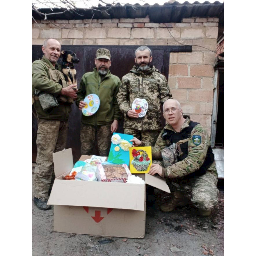
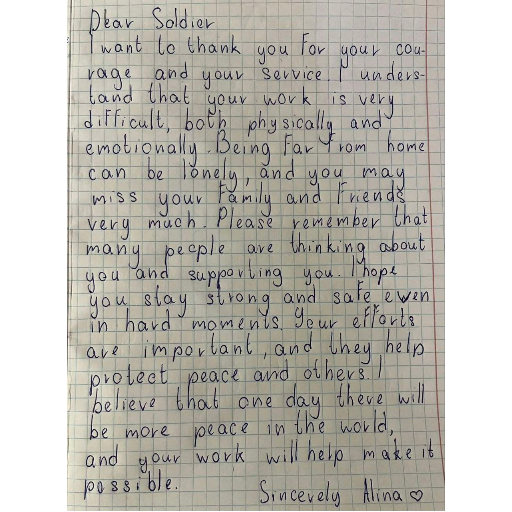
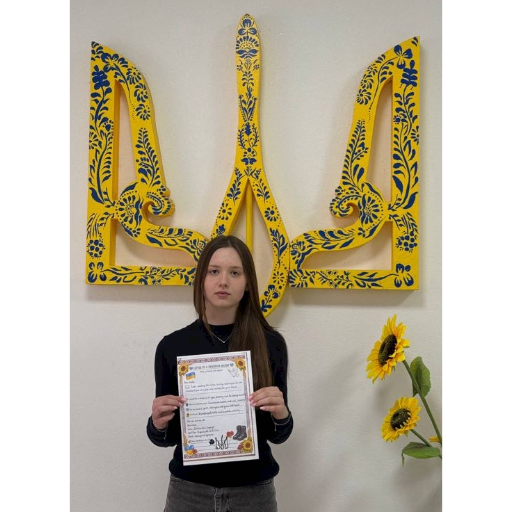
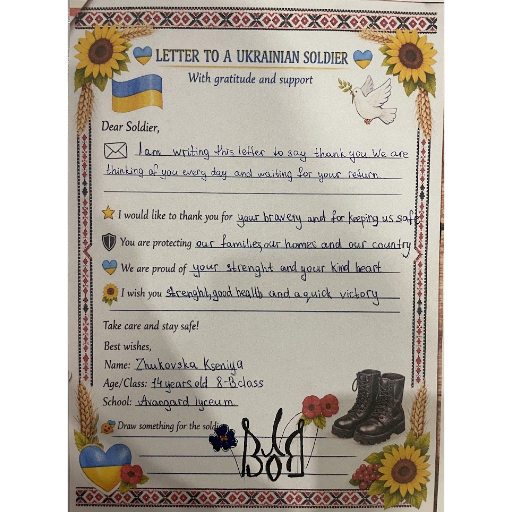
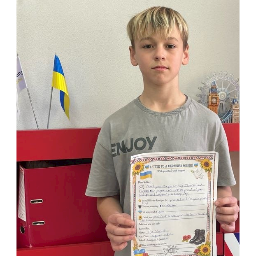
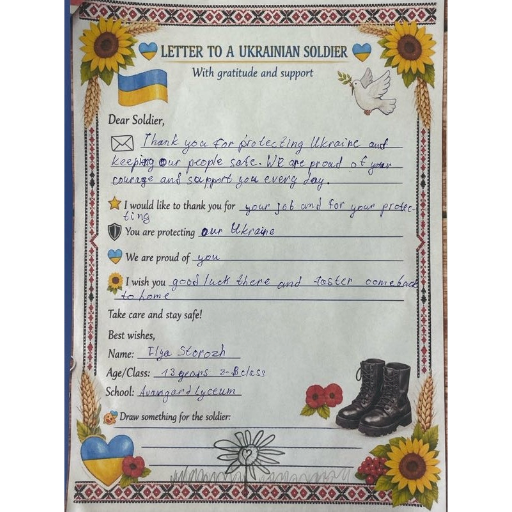
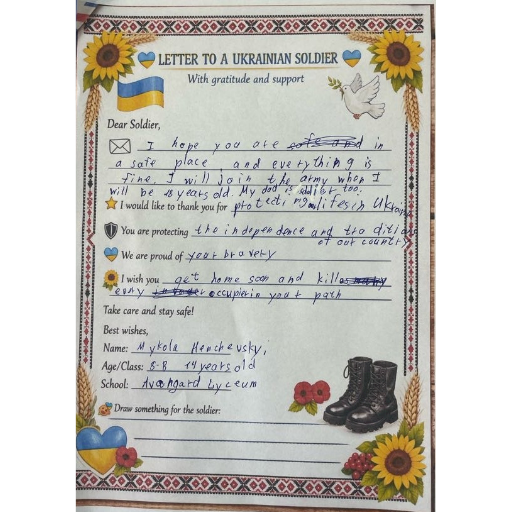
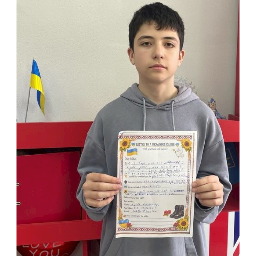
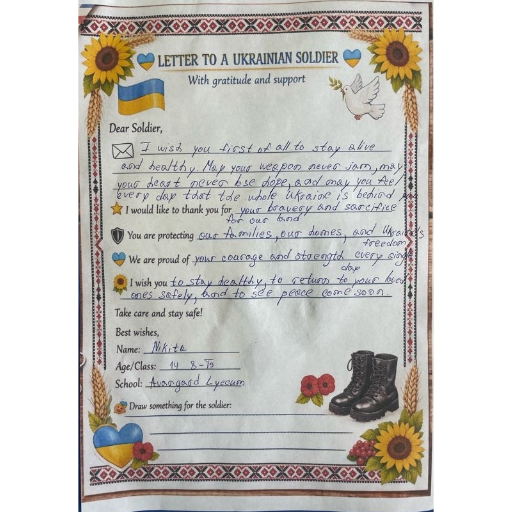
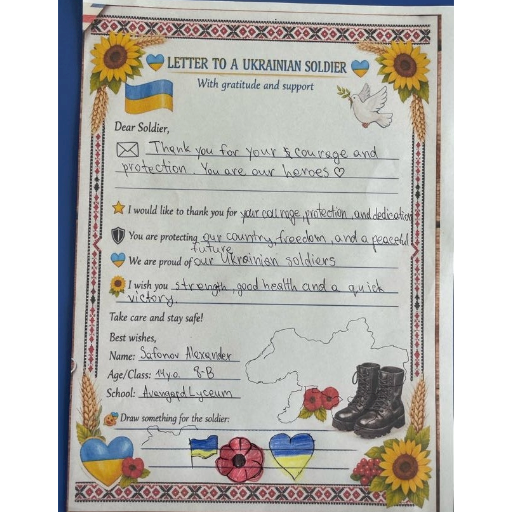
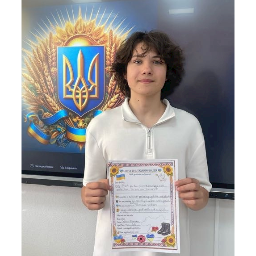
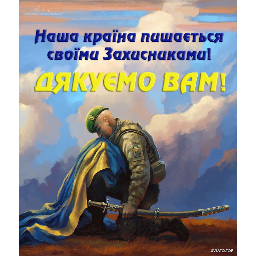
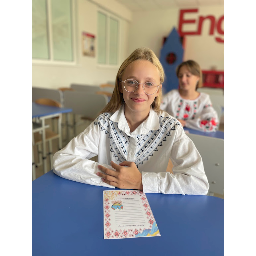
Writing the letters and cards to Ukrainian soldiers who are on the front line (Easter holiday)
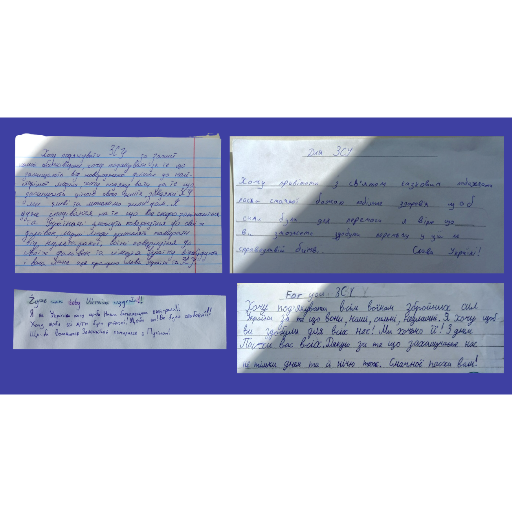
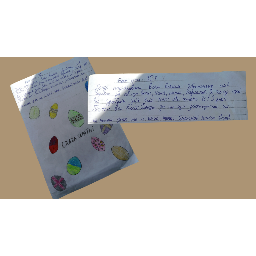
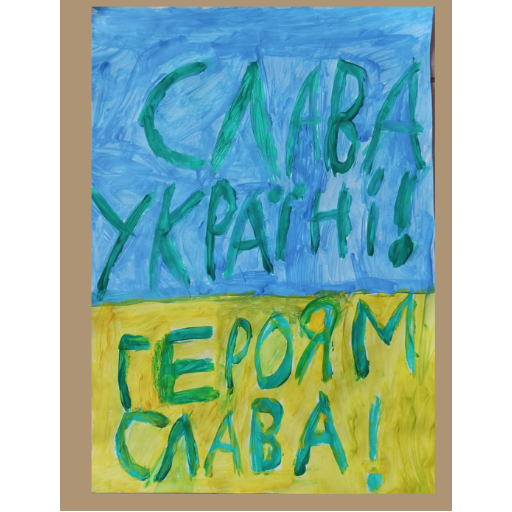
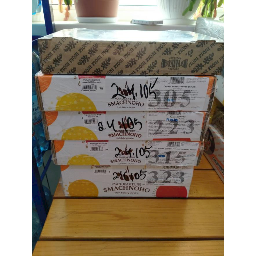
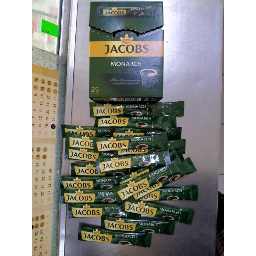
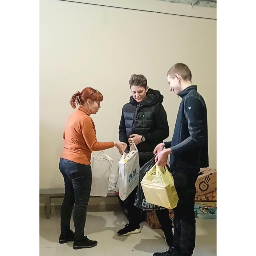
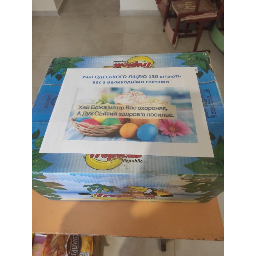
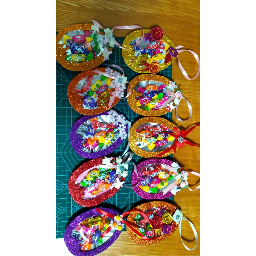
The feedback from our defenders
Alina, Avanhard Lyceum
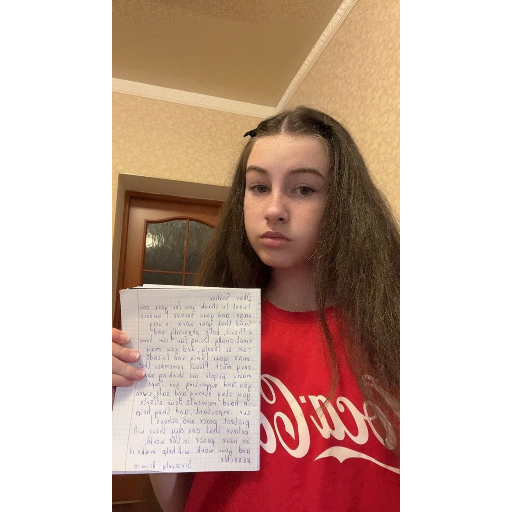
Anna Prohoda, Avanhard lyceum
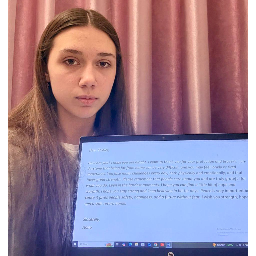
Dear Soldier,
How are you? I hope you are alright. I want to thank you for your protection and bravery. I understand that being far from home can be very difficult, and you may feel lonely or tired sometimes. You face many challenges every day, both physically and emotionally, and that takes great strength.
Please remember that people care about you and are truly grateful for what you do. Even in the hardest moments, I hope you can find a little bit of hope and warmth. I hope you stay strong and keep believing in better days. Peace is very important because it gives people safety, happiness, and a future without fear. I wish you strength, hope, and a safe return home.
Sincerely,
Anna
Anastasiia Zhukovska, Avanhard Lyceum
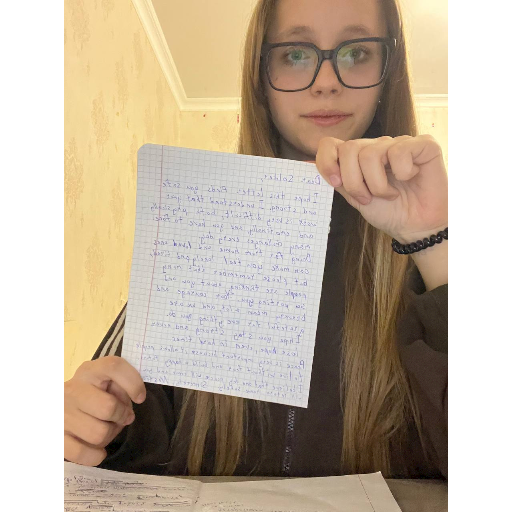
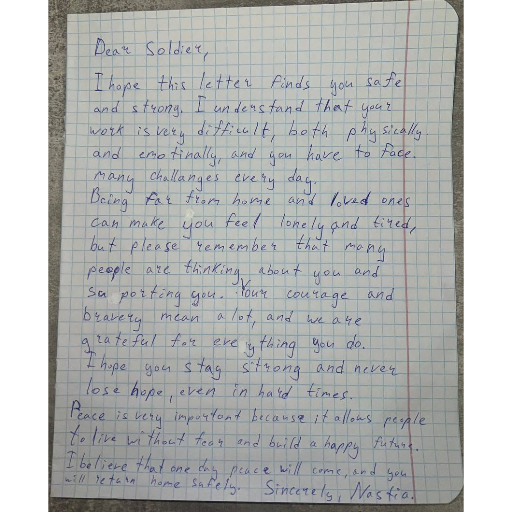
Ksenia Zhukovska, Avanhard Lyceum
Illia Storozh, Avanhard Lyceum

Mykola Henchevskyi, Avanhard Lyceum
Mykyta Kodymskyi, Avanhard Lyceum

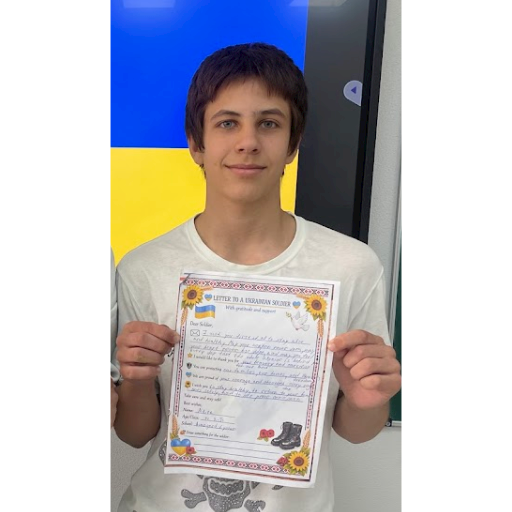
Oleksandr Safonov, Avanhard Lyceum
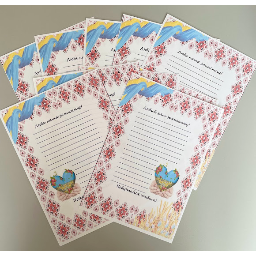
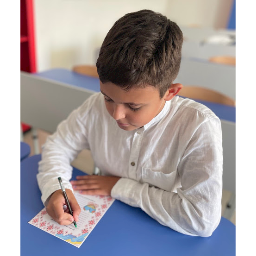
Avanhard Lyceum
Georgia,Kutaisi
LTD School N1
Barbi Nikoladze
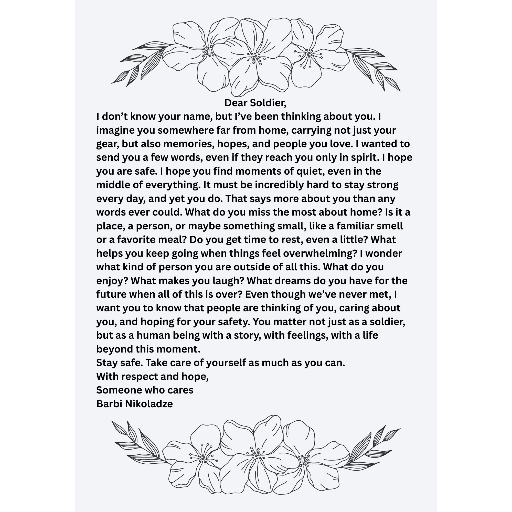
Georgia,Kutaisi
LTD School N1
Mariam Khachapuridze
Marta Kekua
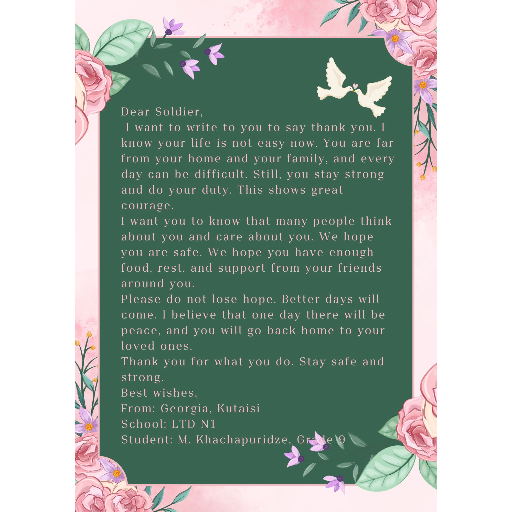
TEAM3 QUOTATIONS
Mentor: Maryna
-Kilian (France)
- Dinis (France)
- Iliann (France)
-Ricardo (France)
-Demetre (Georgia)
-Dasha (Ukraine)
- Ivan Luba (Ukraine)
- Pavlo Dorosh (Ukraine)
- Vlad Filipov (Ukraine)
Our interviews
for quotations
Odesa Lyceum 130
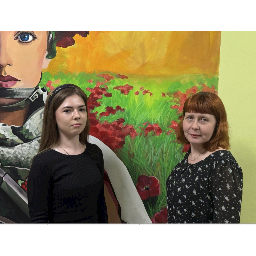
«Війна — це відчуття розгубленості й безпорадності. Це постійний страх за життя близьких і за власне життя. Це вкрадені найкращі роки… Безкінечний стрес, виснаження, рутина й втрачені можливості. Це передчасне старіння душі й тіла, це зневіра, що тихо підкрадається у найважчі моменти.
Але водночас війна — це і новий, болісний досвід. Ми навчилися по-справжньому цінувати життя — тут і зараз. Навчилися триматися, коли здається, що сил більше немає. Навчилися вперто йти вперед, навіть крізь страх і біль.
Бо завтра може вже не настати. І саме тому сьогодні має значення.»-Хрупало Олена.
“War is a feeling of confusion and helplessness. It is a constant fear for the lives of loved ones and for one’s own life. It is the best years stolen… Endless stress,
exhaustion, routine and lost opportunities. It is premature aging of the soul and body, it is despair that quietly creeps in at the most difficult moments.
But at the same time, war is also a new, painful experience. We have learned to truly appreciate life — here and now. We have learned to hold on when it seems that there is no more strength. We have learned to stubbornly move forward, even through fear and pain.
Because tomorrow may not come. And that is why today matters.” - Olena Khrupalo.
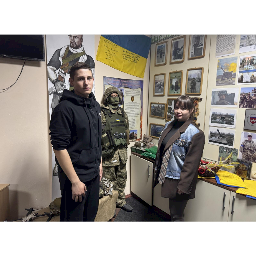
«Війна — це постійний страх, тривога і невідомість. Це коли навіть звичайний день може різко змінитися. Водночас вона вчить бути сильнішим, цінувати життя, підтримку близьких і кожен спокійний момент. Попри все, з’являється віра в краще і велике бажання миру.»-Яна Касап
"War is constant fear, anxiety, and uncertainty. This is when even an ordinary day can change dramatically. At the same time, it teaches you to be stronger, to appreciate life, the support of loved ones, and every quiet moment. Despite everything, faith in the best and a great desire for peace appear." - Yana Kasap
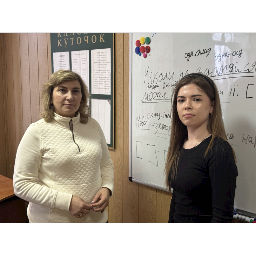
«Війна — це слово, яке ще кілька років тому здавалося далеким і страшним лише з підручників історії та фільмів. Сьогодні воно стало частиною нашого життя. Вона змінила наші будні, наші плани, наші думки і навіть наші мрії.
Мої переживання пов’язані насамперед із тривогою за близьких і за майбутнє нашої країни. Кожна повітряна тривога змушує серце битися швидше, кожна новина — хвилюватися. Але водночас війна навчила мене цінувати прості речі: ранкове сонечко, лагідний дощ, життя, родину, дружбу, можливість працювати.
Коли я була дитиною, то завжди на свята підписувала листівки рідним і близьким. І в кінці кожного привітання моя бабуся просила обов’язково написати слова: «і мирного неба над головою». Малою дитиною я не зовсім розуміла, чому саме на цьому вона так
І в кінці кожного привітання моя бабуся просила обов’язково написати слова: «і мирного неба над головою». Малою дитиною я не зовсім розуміла, чому саме на цьому вона так
наполягала, адже мир здавався чимось звичайним і природним. Та моя бабуся, яка пережила війну, добре знала справжню ціну миру і тому так цінувала ці слова.
Сьогодні, коли ми знову переживаємо страхіття війни, я дедалі частіше згадую її слова. Тепер вони набули для мене зовсім іншого змісту. Я розумію, наскільки важливим є мир і як багато залежить від нього — життя людей, щастя дітей, спокій родин.
Я відчуваю сум за тими, хто постраждав від війни, співчуття до людей, які втратили домівки, і вдячність тим, хто захищає нашу країну. Саме завдяки їхній мужності ми маємо змогу жити, навчати дітей і вірити в перемогу.
Попри всі труднощі, у моєму серці живе надія. Дуже хочеться вірити, що і в нас, в Україні, обов’язково буде
мирне небо над головою, що настане день, коли люди житимуть без страху, а діти зростатимуть у спокої та безпеці.»-Пустовіт Людміла
"War is a word that a few years ago seemed distant and scary only from history textbooks and movies. Today it has become a part of our lives. It has changed our everyday lives, our plans, our thoughts and even our dreams.
My experiences are primarily connected with anxiety for loved ones and for the future of our country. Every air alarm makes my heart beat faster, every piece of news makes me worry. But at the same time, the war taught me to appreciate simple things: the morning sun, gentle rain, life, family, friendship, the opportunity to work.
When I was a child, I always signed postcards to my relatives and friends on holidays. And at the end of each
greeting, my grandmother asked me to write the words: "and a peaceful sky above your head." As a small child, I did not quite understand why she insisted on this, because peace seemed something ordinary and natural. But my grandmother, who had survived the war, knew well the true price of peace and therefore valued these words.
Today, when we are once again experiencing the horrors of war, I recall her words more and more often. Now they have taken on a completely different meaning for me. I understand how important peace is and how much depends on it - people's lives, children's happiness, family peace.
I feel sadness for those who suffered from the war, sympathy for people who lost their homes, and gratitude to those who defend our country. It is thanks to their
courage that we are able to live, teach children, and believe in victory.
Despite all the difficulties, hope lives in my heart. I really want to believe that we, in Ukraine, will definitely have a peaceful sky above our heads, that the day will come when people will live without fear, and children will grow up in peace and security." -Pustovit Lyudmila
«Кажуть, що людина звикає до всього. Але я не хочу звикати до війни. Я просто навчилася жити з нею в одній сумці, поруч із павербанком та серветками.
Бути звичайною жінкою сьогодні — це мати серце, що розривається від кожної новини, і водночас посміхатися дитині, щоб вона не бачила твого страху. Це планувати життя лише на завтра, але вірити в «після перемоги» так сильно, як ніхто інший.
Іноді я плачу. Просто так, від втоми чи від випадкової пісні в радіо. Але в цих сльозах немає слабкості. У них — уся моя любов до цього неба, до мого дому, до людей, які стали рідними за ці роки. Справжнє щастя тепер пахне не парфумами, а свіжим хлібом і тишею.
. Воно звучить як коротке «плюс» або «ми в нормі» у телефоні.
Ми стали іншими. Тоншими, але міцнішими за сталь.
Ми навчилися цінувати кожен вдих, кожне «люблю» і кожен ранок, який настав. І в цьому нашому болючому, але глибокому щасті — наша незламність.»-Лариса Купченко
"They say that a person gets used to everything. But I don't want to get used to war. I just learned to live with it in the same bag, next to a power bank and napkins.
Being an ordinary woman today means having a heart that breaks from every piece of news, and at the same time smiling at your child so that she doesn't see your fear. It means planning life only for tomorrow, but believing in "after victory" as much as anyone else.
Sometimes I cry. Just like that, from fatigue or from a random song on the radio. But there is no weakness in these tears. They contain all my love for this sky, for my home, for the people who have become my family over the years. True happiness now smells not of perfume, but of fresh bread and silence. It sounds like a short "plus" or "we are normal" on the phone.
We have become different. Thinner, but stronger than steel. We have learned to appreciate every breath, every "I love" and every morning that comes. And in this painful but deep happiness of ours is our invincibility." - Kupchenko Larisa
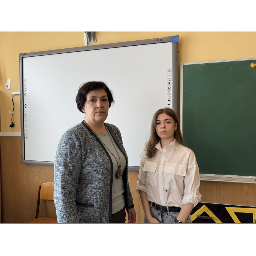
«Війна... Страшне слово... Спочатку були злість і страх. Ніколи не думала, що таке скажу: але ми звикаємо до такого способу життя. Тільки так жити не можно. Моє бажання: щоб всі рідні зібрались разом. Сина я не бачила 7 місяців. Він добровольцем у ЗСУ. Звісно хвилююсь за нього. Хвилююсь за доньку і онука, коли лунає у нас тривога. За них переживаю. За брата, за маму. За дітей свого класу. Що зараз мене підтримує? Надія і віра. Зв'язок (нехай поки мобільний) із рідними і близькими.»-Наталя Дитинюк
"War... A terrible word... At first there was anger and fear. I never thought I would say such a thing: but we get used to this way of life. It's just not possible to live like this. My wish: for all my relatives to get together. I haven't seen my son for 7 months. He is a volunteer in the Armed Forces of Ukraine. Of course I'm worried
about him. I worry about my daughter and grandson when we hear the alarm. I worry about them. For my brother, for my mother. For the children in my class. What supports me now? Hope and faith. Communication with my relatives and friends." -
Natalia Dytyniuk
Pavlo Dorosh, Avanhard Lyceum
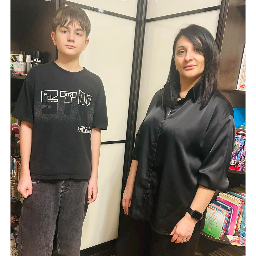
“As a mother, my thoughts about war are filled with fear and pain. I look at my child and I cannot imagine a world where they are not safe, where their future is uncertain because of something they never chose. War, to me, is not just about countries or politics — it is about families, about children who deserve peace and a normal life.
I think about how every explosion somewhere is someone’s home being destroyed, someone’s life changing forever.
As a mother, all I want is for my child to grow up without fear, to go to school, to dream about the future instead of worrying about tomorrow.I believe no goal can be worth the tears of children or the pain of parents. War only takes — it never gives. And if the world could see it through a mother’s eyes, maybe there would be more understanding, more compassion, and less violence,” – Iryna Dorosh
“Як мама, мої думки про війну наповнені страхом і болем. Я дивлюся на свою дитину і не можу уявити світ, у якому їй небезпечно, де її майбутнє невизначене через те, чого вона ніколи не обирала. Для мене війна — це не лише про країни чи політику, це про сім’ї, про дітей, які заслуговують на мир і нормальне життя.
Я думаю про те, що кожен вибух десь — це чийсь зруйнований дім, чиєсь життя, яке назавжди змінилося. Як мама, я хочу лише одного: щоб моя дитина росла без страху, щоб спокійно ходила до школи, щоб могла мріяти про майбутнє, а не хвилюватися про завтрашній день.
Я вірю, що жодна мета не варта дитячих сліз чи болю батьків. Війна лише забирає — вона нічого не дає. І якби світ побачив її очима матері, можливо, було б більше розуміння, більше співчуття і менше насильства,” -Ірина Дорош
Vlad Filipov, Avanhard Lyceum
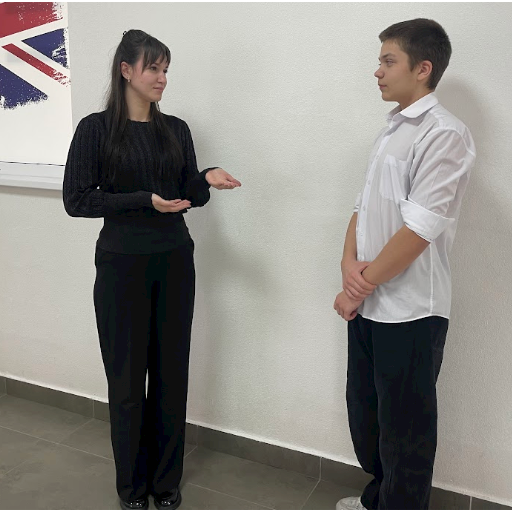
“Я, як учитель, сприймаю війну з глибоким болем і відповідальністю. Найбільше мене хвилює безпека моїх учнів та їхнє майбутнє. Навіть у складні часи я намагаюся підтримувати дітей, навчати їх і давати їм надію.
Вірю, що освіта допоможе їм вистояти та побудувати краще майбутнє. Я мрію про мир, щоб діти могли навчатися без страху й жити у спокійній країні”,-Ольга Пигарь
«As a teacher, I perceive the war with deep pain and a strong sense of responsibility. I am most concerned about the safety of my students and their future. Even in difficult times, I try to support them, teach them, and give them hope. I believe that education will help them endure and build a better future. I dream of peace, so that children can learn without fear and live in a peaceful country,»- Olga Puhar
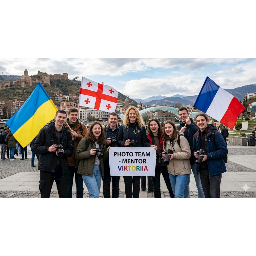
TEAM4 PHOTO CAPTIONS
Team members:
Mentor: Viktoriia
1. Stacey (Ukraine)
2, Gaël G.M.B. (France)
3. Dylan (France)
4. Hadès (France)
5. Ghyslain Camus (France)
6. Lieskov Ivan(Ukraine)
7. Nastradin Mary(Ukraine)
8. Polina (Ukraine)
9. Vladik (Ukraine)
10. Rezi (Georgia)
11. Gigi (Georgia)
12.Natali (Georgia)
THE WAR IN UKRAINE THROUGH CHILDREN'S EYES
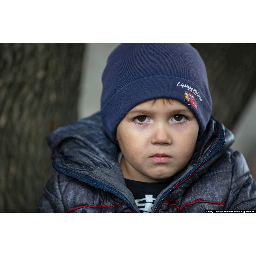
Four-year-old Zhora lives in Zolote. The village is located near the front line in eastern Ukraine and could soon be inside a newly negotiated demilitarized zone.
Zhora avoids strangers and uses few words. His mother helps when he is interviewed.
Tell us about the time they fired shots."
"They fired when it was dark."
Zhora imitates the sounds of different weapons.
Andriy Dubchak, Radio Svoboda
The war affects children’s lives in many ways. A recent report from UNICEF underscores this, pointing out that:
The source:
Nova Ukraine (Vlad, Odesa, Ukraine)
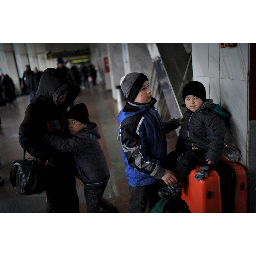
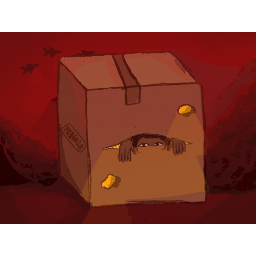
Since Feb. 24, 2022, the escalation of war in Ukraine has had a devastating impact on the country's children. For two long years, children have lived with the fear of bombardment. Classes have moved into basements, playgrounds are littered with landmines and unexploded ordnance. Children sheltering from overhead threats have spent 3,800 to 4,500 hours — up to half a year — underground, undercutting their education and leaving them at significant risk of depression, anxiety and post-traumatic stress disorder. Source- UNICEF (Maria, Odesa, Ukraine)
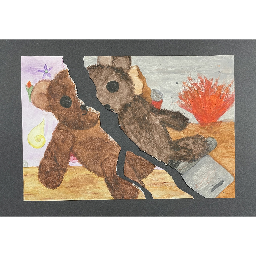
"There were flames and smoke, and my cousin was really scared. We immediately started putting out the flames with water. I was terrified.” — Danylo, 14 UNICEF Official Site (Polina, Odesa, Ukraine)
THE WAR IN UKRAINE THROUGH CIVILIANS' EYES
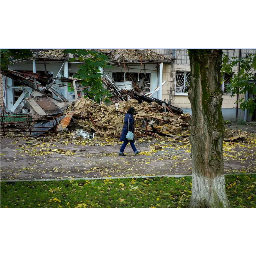
In the heart of Odesa, where air raid sirens sound one after another, the locals no longer raise an eyebrow when the wail of yet another siren fills the streets. Despite being considered a transit zone, where displaced persons briefly pause on their journey westward, Odesa takes safety very seriously. “Teach us how to protect ourselves, or we are done,” was the plea from civilians traumatized by the ravages of war. The Guardian, March, 2026 (Polina, Odesa, Ukraine)
Ivan’s entire life is connected with his native village of Yahidne in Chernihiv Oblast. For many years, he worked as a school administrator at the only school in the village and spent a lot of his time there. At the beginning of the Russian invasion and occupation of Chernihiv region, the basement of this school turned into a trap for 367 villagers, including Ivan and his family. Despite his captivity and the absolutely inhumane conditions of detention, the man still did not leave his native village and continues to guard the school, which has become an epicenter for harm to civilians. He is convinced that the world should know about this crime against people who just wanted to live their peaceful lives. The Guardian, March, 2026 ( Maria, Odesa, Ukraine)
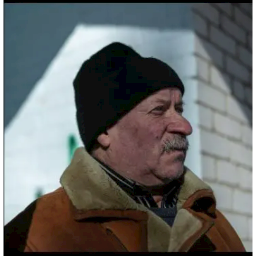
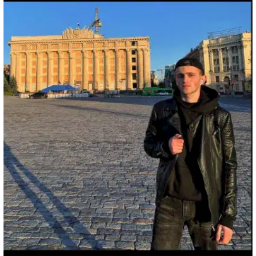
Source - Center for Civilians in Conflict (Maria. Odesa, Ukraine)
The War through Soldiers' eyes
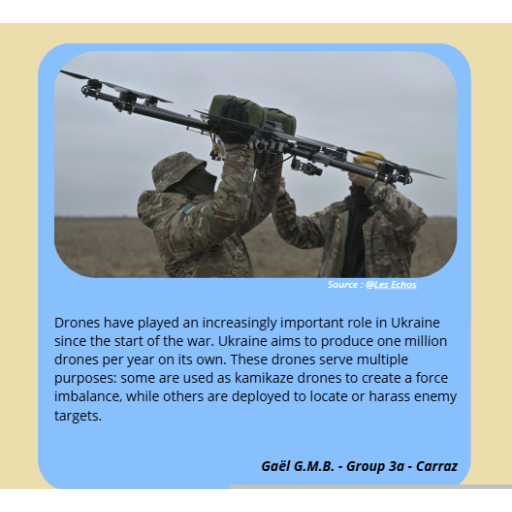
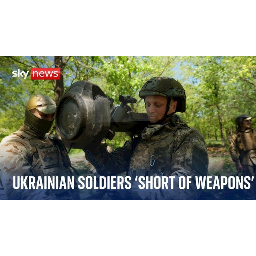
Ukrainian soldiers have told Sky News shortages of weapons and ammunition mean they are counting every shot they fire at advancing Russian forces. That's despite recent commitments from Ukraine's NATO allies to increase production. Sky's security and defence editor Deborah Haynes reports. (Vlad, Odesa, Ukraine)
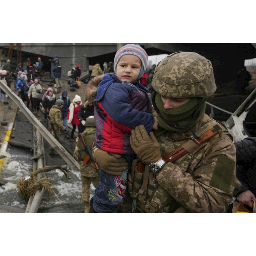
A Ukrainian serviceman holds a baby crossing the Irpin river on an improvised path under a bridge that was destroyed by a Russian airstrike, while assisting people fleeing the town of Irpin, Ukraine, on March 5. (AP Photo) (Vlad, Odesa, Ukraine)
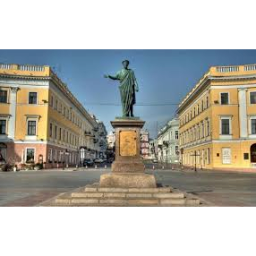
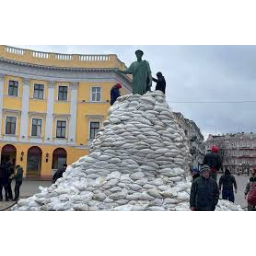
COMPARING PAST AND PRESENT cultural sights and architecture in Odesa
the monument to Duke de Richeleue, the fouder of the city
ALL THESE BUILDINGS ARE UNDER UNESCO PROTECTION!!!
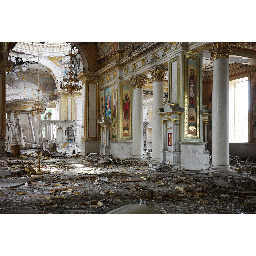
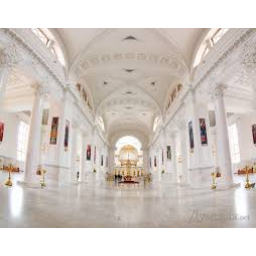
Spaso-Preobrazhenskiy Cathedral
Stacey, Odesa, Lyceum 130
The Transfiguration Cathedral is the main and largest Orthodox church in Odesa, located on Soborna Square in the heart of the city. It is a monumental, snow-white building in the classical style with a tall bell tower, which for many years served as the main architectural landmark of the historic center. The cathedral's interior is striking in its scale: it is divided into the Upper and Lower Churches and can accommodate up to several thousand people at a time. Unfortunately, in July 2023, the cathedral became the epicenter of a terrible tragedy: it was struck by a rocket, which destroyed the altar and caused extensive damage to the interior. Since then, intensive restoration work has been underway with international support.
photo source: wikipedia.org, dumskaya.net
Vorontsov Palace
Ivan, Lyceum130
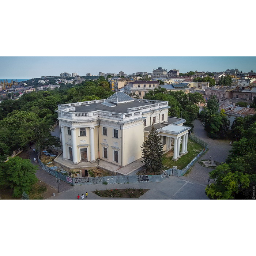
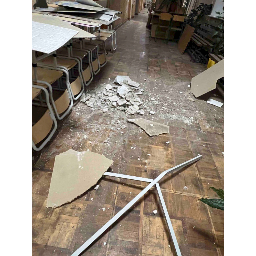
The Vorontsov Palace in Odesa is an elegant Empire-style manor house perched on a cliff overlooking the sea and surrounded by a picturesque garden. The main landmark of this architectural complex is its famous semicircular colonnade of twenty columns, offering panoramic views of the port. Unfortunately, the Vorontsov Palace suffered serious damage as a result of enemy shelling in Odesa. Blast waves from the attacks shattered dozens of ancient windows, deformed doors, and tore off roof elements. The interiors suffered particularly severe damage: plaster fell off in many halls, and unique decorative elements were also damaged.Since the palace is located in a UNESCO World Heritage Site, this destruction became yet another recorded tragedy for world culture.
photo source: dumskaya.net
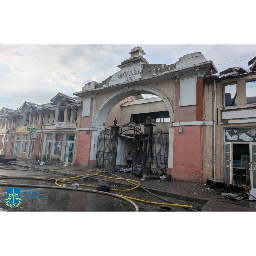
Fruktoviy Passazh
Ivan, Lyceum 130
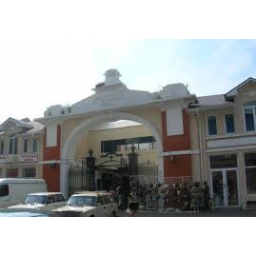
The fruit passage at Privoz is a masterpiece of commercial architecture dating back to 1913. Four two-story pavilions, connected by majestic arched vaults, form cool, covered galleries. For decades, this place was a true temple of abundance, filled with the aromas of southern fruits and the unique flavor of Odesa. After years of decline, a large-scale restoration began in 2020. Unfortunately, on the evening of January 26, 2025, the historic complex was severely damaged by an enemy drone attack. The ensuing fire engulfed approximately 1,000 square meters: the fire and explosions severely damaged the famous arched vaults, destroyed walls, and destroyed the results of years of restoration work.
photo source: culturemeter.od.ua, nv.ua
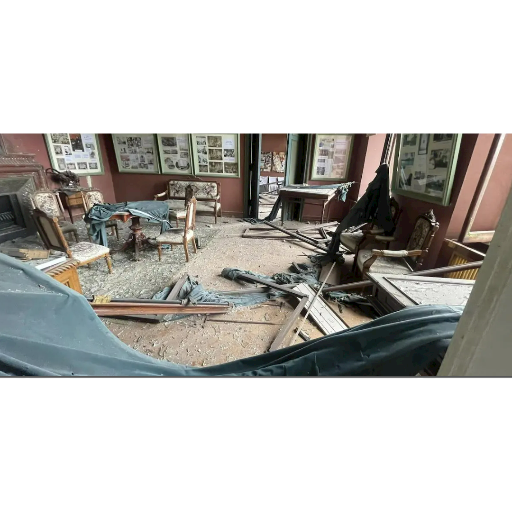
Scientists House
ММММ
Ivan, Odesa, Lyceum 130
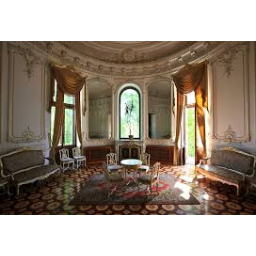
The Odesa House of Scientists is one of the city's most beautiful manor complexes. It is a luxurious two-story 19th-century mansion with an attached art gallery and a cozy summer garden. Its main unique feature is the palace interiors, which have been preserved virtually in their original state: the White Hall with its oak parquet flooring made from 22 different types of wood, and the Marble, Silk, and Oak Drawing Rooms.During a massive missile attack in July 2023, the building was severely damaged by a nearby explosion. The blast
wave blew out nearly all the windows, including the fragile ancient stained-glass windows, seriously damaged the unique furniture, collapsed the ceilings in the halls, and nearly destroyed the summer garden. Even the famous piano of Hungarian composer Franz Liszt, which was kept in the White Hall, was damaged.
photo source: wikipedia.org, 24tv.ua
Philarmonic
Stacey, Lyceum 130
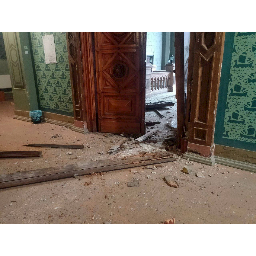
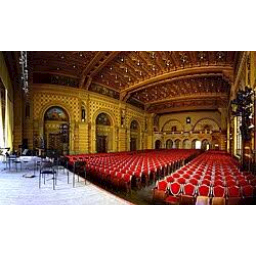
The Odesa Regional Philharmonic is a true masterpiece by architect Alexander Bernardazzi, built in 1899 as the New Merchant Exchange. The copy of Vinece's Doge's Palace, the building attracts with its lancet windows, carved wooden ceiling and unique concert hall, where music takes on incredible volume thanks to its perfect acoustics. Sadly, this temple of art, under UNESCO protection, was severely damaged by a missile strike on the city center on January 31, 2025. The powerful blast wave ruined the original wooden frames of the main entrance, damaged the magnificent antique stained glass windows, and caused severe damage to the rich interior decor.
photo source: wikipedia.org, 24tv.ua
Hotel Bristol
Stacey, Odesa, Lyceum 130
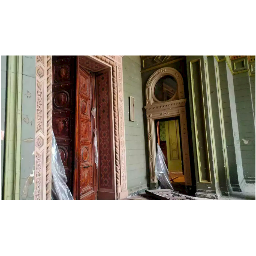
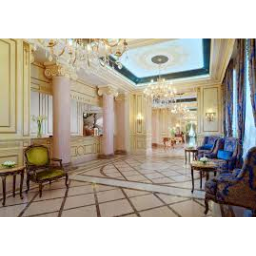
The Bristol Hotel is more than just a five-star establishment; it's a living body of Odesa's glamour, created in 1899 by architect Alexander Bernardazzi. It greets guests with a luxurious Baroque façade and a famous pink marble grand staircase that has been trodden by hundreds of international film stars. This hotel has become a symbol of Odesa's status as not just a provincial city, but a shining European capital by the sea, where luxury is combined with legendary southern hospitality. This hotel shuddered with horror on the evening of January 31, 2025, when enemy missiles struck the historic heart of the city. The blast wave shattered ancient windows, and a fire broke out on the hotel's roof. The fire and explosions damaged the unique interiors, trapping terrified staff in their rooms. Odesa once again proved that its soul cannot be destroyed: thanks to the incredible efforts of restorers and the will of the city, the legendary Bristol reopened its doors in September of that year, and its famous marble staircase once again welcomes guests.
photo source: rbc.ua, bristol-hotel.com.ua
THE CONTEST
CREATE AN IDEAL SOLDIER WHO CAN PROTECT THE WORLD FROM WARS
SORA AI
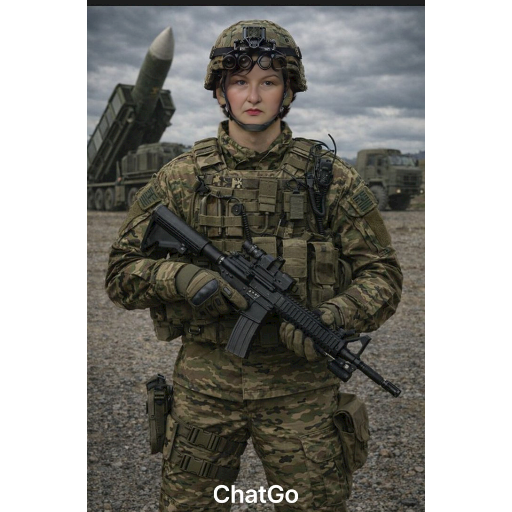
Mentor Viktoriia
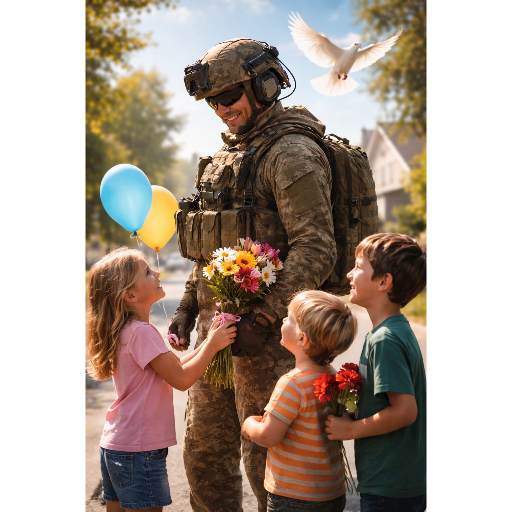
Polina, Lyceum 130, Ukraine
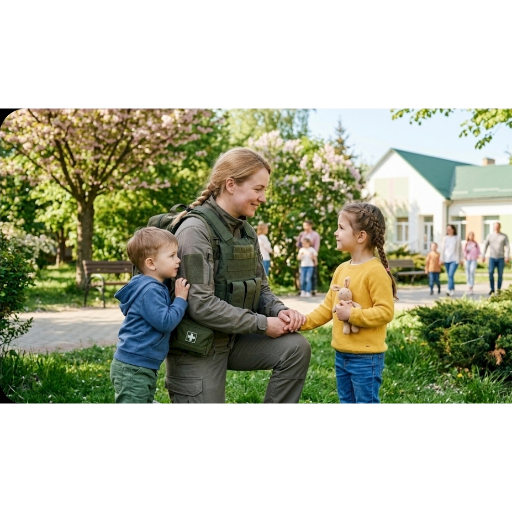
Stacey, Lyceum 130, Ukraine
Maria, Lyceum 130, Ukraine
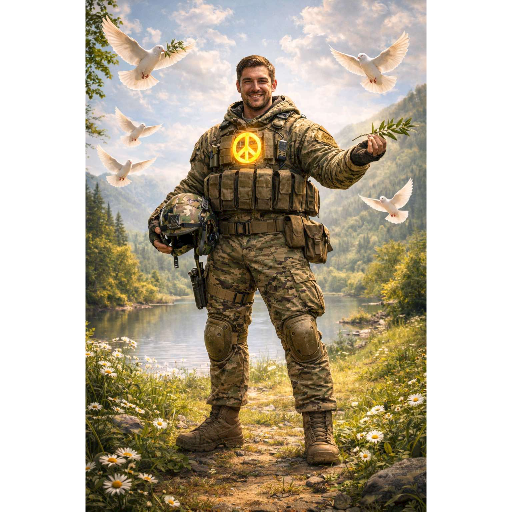
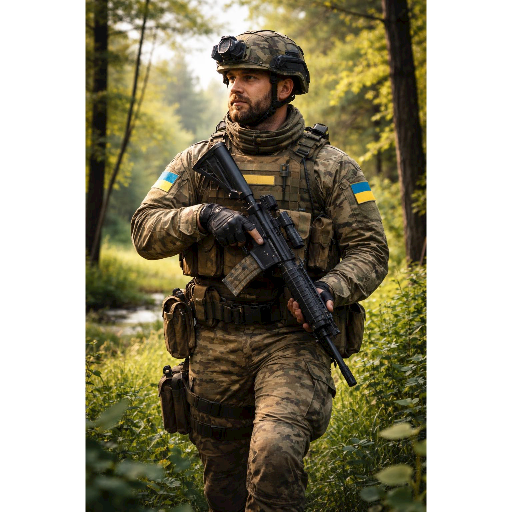
Vlad, Lyceum 130, Ukraine
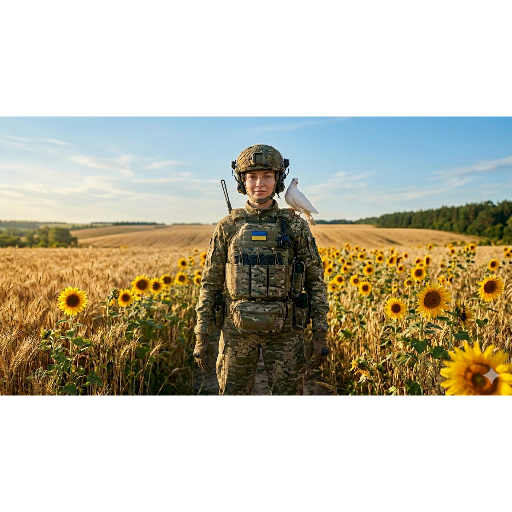
Ivan, Lyceum 130, Ukraine
Gaël G.M.B. France
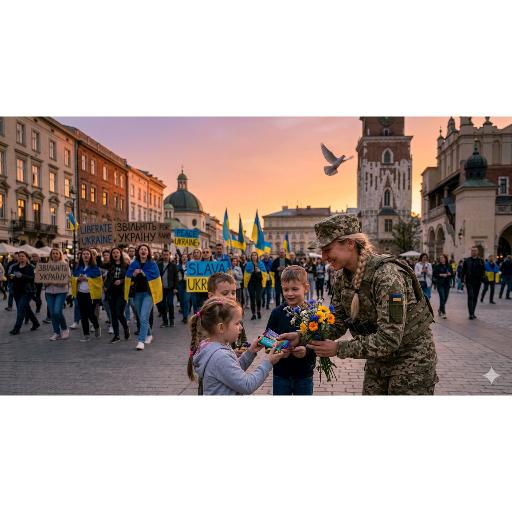
Team3a Carraz, France
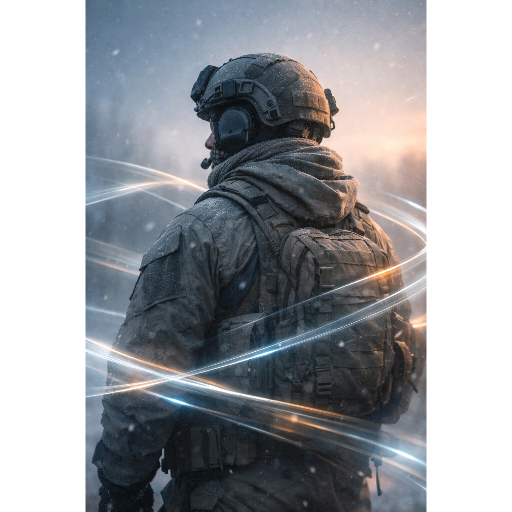
Team3a Carraz, France
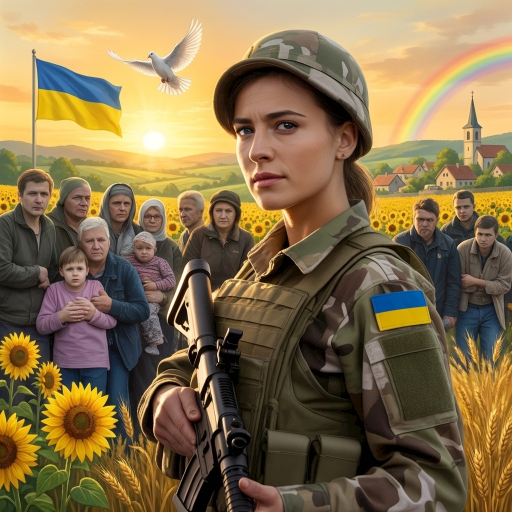
Team4a Carraz, France
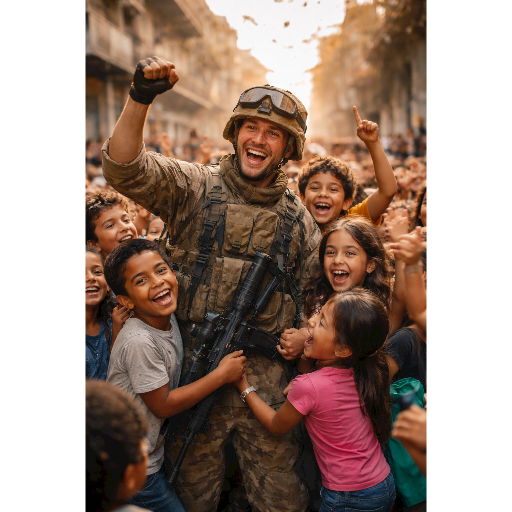
Georgia,Kutaisi
LTD School N1
Rezi
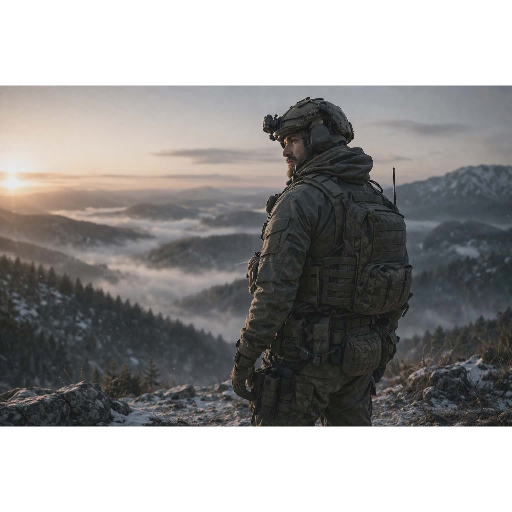
Georgia,Kutaisi
LTD School N1
Gigi
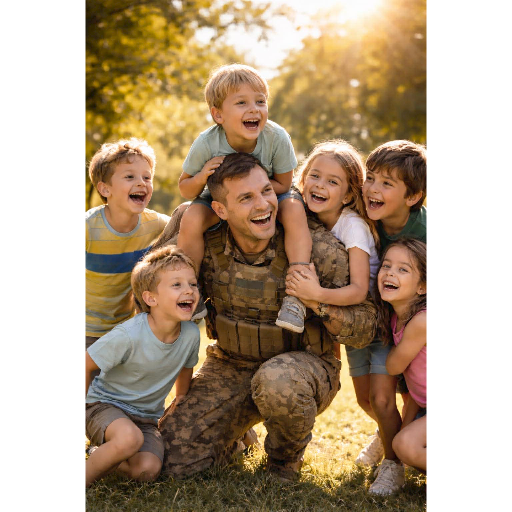
- Full access to our public library
- Save favorite books
- Interact with authors
- < BEGINNING
- END >
-
DOWNLOAD
-
LIKE
-
COMMENT()
-
SHARE
-
SAVE
-
BUY THIS BOOK
(from $52.19+) -
BUY THIS BOOK
(from $52.19+) - DOWNLOAD
- LIKE
- COMMENT ()
- SHARE
- SAVE
- Report
-
BUY
-
LIKE
-
COMMENT()
-
SHARE
- Excessive Violence
- Harassment
- Offensive Pictures
- Spelling & Grammar Errors
- Unfinished
- Other Problem





COMMENTS
Click 'X' to report any negative comments. Thanks!