
I was only 17 when my family decided to leave Abra on the island of Luzon. We were a working-class family, living under Spanish-Colonial rule during the Philippine Revolution. We lived simply among the fields and my parents worked constantly, yet the money never seemed enough. I helped care for my siblings, knowing education was impossible for us.
I loved my home, but I understood something important - hard work alone could not change our future unless we searched for opportunity elsewhere.
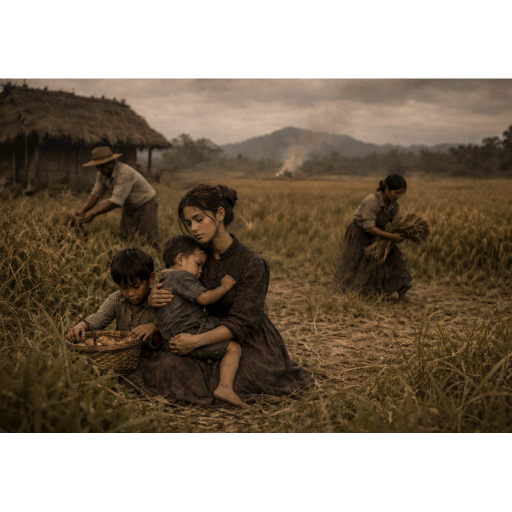
We heard stories about California and its factories hiring workers, its cities growing, and its schools offering education. My parents spoke late into the night about wages and survival. Leaving meant risk, but staying meant remaining trapped in poverty.
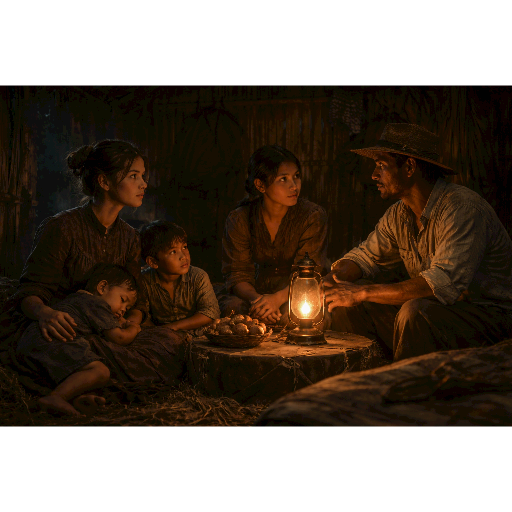
When my father announced we would be going to America, both fear and hope filled my entire body.
I packed only what I could carry, unsure if I would ever see my home again.
Traveling from rural Abra to the port in Manila felt like entering a new world. The port was nothing but hundreds of packed up immigrants waiting beside enormous ships. As we boarded and began our journey, everyone carried the same look of exhaustion mixed with hope.
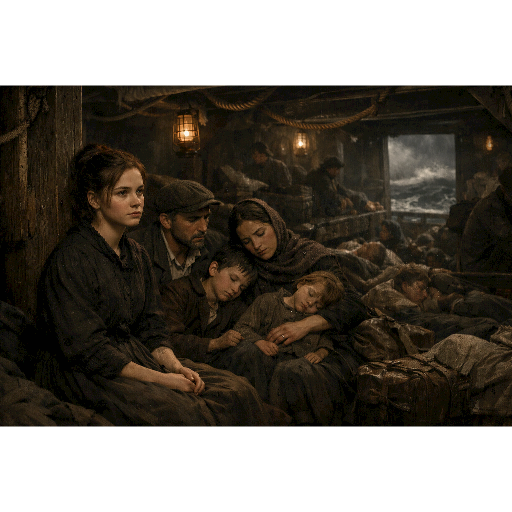
The voyage lasted weeks and the ship was crowded with many passengers sleeping in tight quarters. The food was limited and sickness spread throughout. Storms rocked the ship at night, reminding me just how far we were from home. Still, each sunrise meant we were closer to a new life.
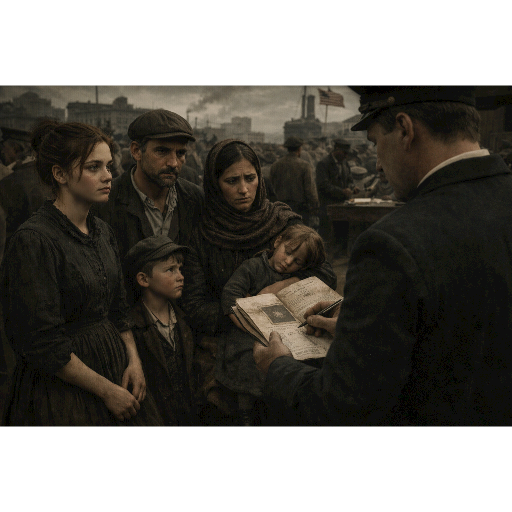
When we arrived in San Francisco, California, I expected opportunity to welcome us immediately. Instead, we were met with inspections, questions, and suspicious looks. Officials examined our papers carefully and we continued our way to our small, crowded urban tenement, as it was the only thing we could afford.
Stepping onto American soil felt both victorious and uncertain. I soon realized that arriving was only the beginning of our struggle.
Finding a job was a struggle, as choices for a young immigrant woman were limited. Employers only accepted those who would partake in long hours and low wages. The only options available were factories, laundry services, or domestic services, so I chose to work in a textile factory because my family needed immediate income contribution. The factory was very close to my home which was important for saving time and money.
Inside the tenement, noise never stopped and nobody ever slept due to thin walls and families living close together. However, this was the only place I felt less alone. Other immigrant families living beside us each carried their own stories of struggles. We shared meals and provided comfort day by day.

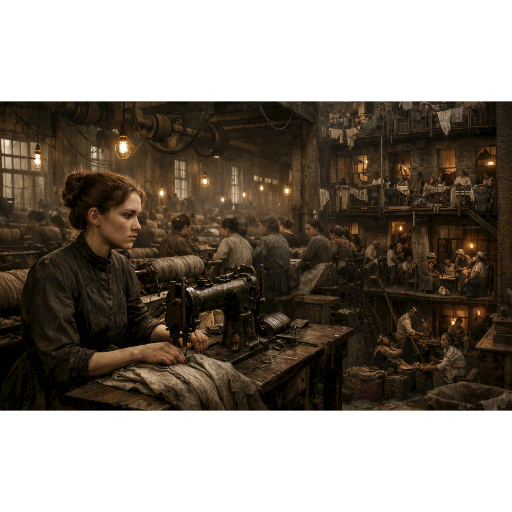
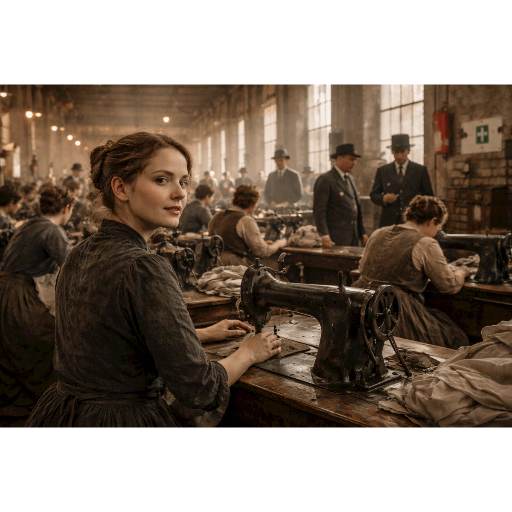
At work, the factory was loud and suffocating with the boss always watching over our heads. Machines roared as we worked long hours, usually 14 a day, with the doors locked to prevent us from taking breaks. The more I worked, the more I realized safety meant little to factory owners. Threads tangled, needles snapped, and injuries were prevalent. There were no safety guards and bosses cared more about production than people.
Every day, I would go home with aching hands, burning lungs, and a growling stomach. My wages barely covered rent and food. Yet, I continued because my family depended on me.
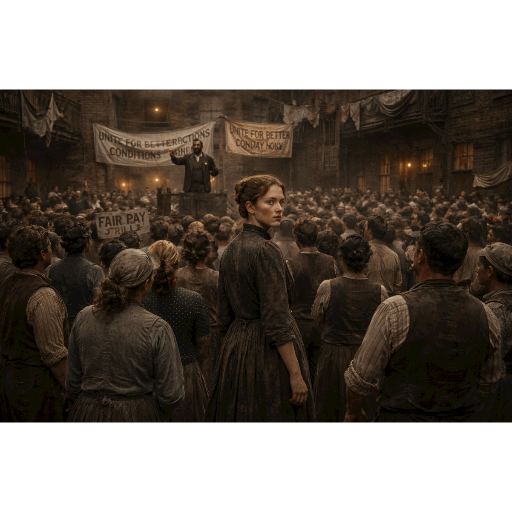
The next morning, I found myself listening to speeches supporting workers' rights, learning about workers organizing strikes. I admired the ideas of the People's Party, which believed working people deserved fairness and protection from powerful corporations. With strikes, workers would refuse to work until factory owners listened. The idea frightened me, but it also filled me with hope. For the first time, I imagined workers having power instead of fear and wondered if joining a strike could change our lives. However, I later learned that strikes come with consequences. Employers fired workers who protested and police sometimes arrest organizers.
For the rest of the day, I listen to the sounds of the tenement, deciding what to do. As a young immigrant woman, the risk felt even greater. Losing my job could mean losing our home. Still, my heart told me remaining silent means accepting danger forever.
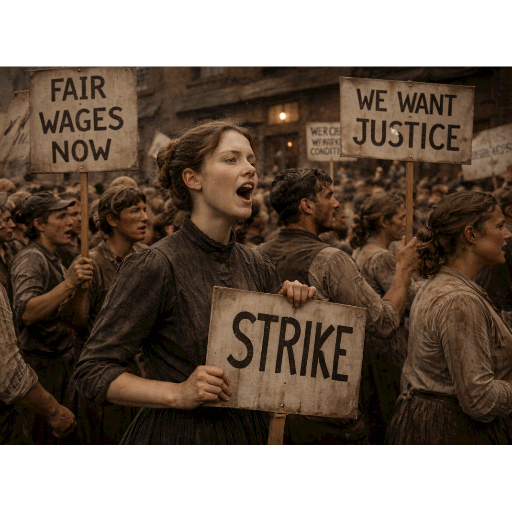
As the strike finally began, workers gathered outside the factory doors with signs demanding fair wages and safer workplaces. My hands were trembling as I walked out and stood among them. Factory owners called us ungrateful and replacement workers were brought in. Tension filled the streets. I felt proud but terrified, unsure what tomorrow would bring.
The strike lasted days, and money quickly ran short. Back in the tenement, families shared food to survive. Some workers returned to their jobs out of desperation, while others remained determined. I learned that fighting for justice required sacrifices. Even when change came slowly, solidarity gave us strength. We were no longer invisible individuals - we were workers united by struggle.
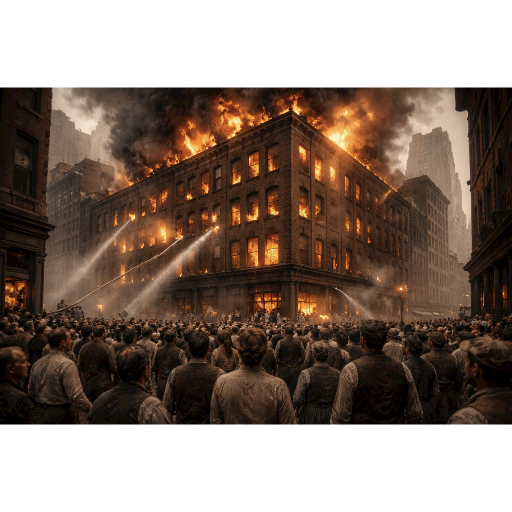
Fast forward 20 years, not long after the strike struggles, shocking news spread across the country. A garment factory in New York known as the Triangle Shirtwaist Factory caught fire and burned to the ground, trapping workers inside because exit doors had been locked to prevent unauthorized breaks. Many young women jumped to their death or were burned beyond recognition. Hearing their stories filled our factory with fear and anger.
The tragedy sparked further demands for safer working conditions and stronger laws to protect workers. Inspectors began visiting factories more often, checking exits and safety equipment. Soon enough, owners could no longer ignore dangerous conditions without consequences. I began to see real change and workers' lives were finally being valued.
Older workers said they had never seen conditions improve like this before. Each safer day felt like proof that change was possible. The labor reform was no longer just an idea - it shaped my daily life.
- Full access to our public library
- Save favorite books
- Interact with authors
- < BEGINNING
- END >
-
DOWNLOAD
-
LIKE
-
COMMENT()
-
SHARE
-
SAVE
-
BUY THIS BOOK
(from $3.39+) -
BUY THIS BOOK
(from $3.39+) - DOWNLOAD
- LIKE
- COMMENT ()
- SHARE
- SAVE
- Report
-
BUY
-
LIKE
-
COMMENT()
-
SHARE
- Excessive Violence
- Harassment
- Offensive Pictures
- Spelling & Grammar Errors
- Unfinished
- Other Problem






COMMENTS
Click 'X' to report any negative comments. Thanks!