
A Normal Life Changes
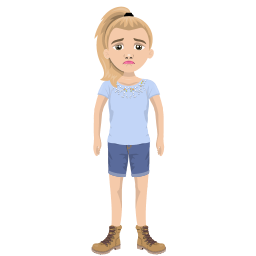
Maya had always loved running. Every morning before school, she ran through her neighborhood, strong and free. But one day, something felt different. She started getting tired quickly, even after short runs. Her ankles swelled, and she felt a constant pressure in her chest. The hospital explained that Maya's heart was failing. Her heart wan't pumping blood effectively, which meant oxygen wasn't reaching her body properly. This caused her fatigue, swelling, and shortness of breath.


After several tests, Maya was diagnosed with end-stage heart failure. Her heart muscles had become too weak to function on their own. Without treatment, her condition would only worsen.
The doctors explained to Maya that she would need a heart transplant to survive.
The Diagnosis

How Did This Happen?
Maya's condition didn't happen overnight. When she was younger, she had a viral infection that caused myocarditis, an inflammation of the heart. Over time, this weakened her heart muscles. Even though she recovered from the illness, the damage slowly built up. Years later, her heart could no longer keep up with her body's needs.
Waiting for a Donor
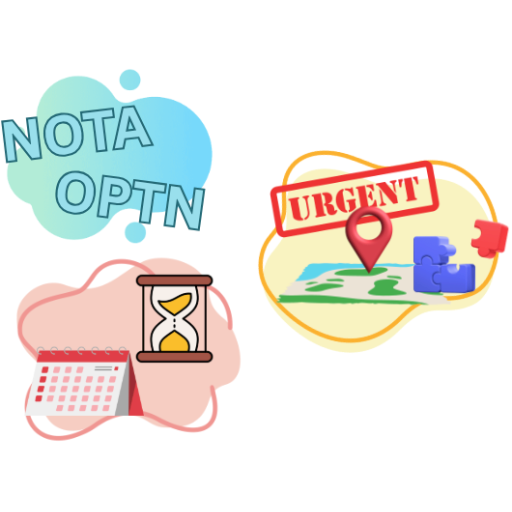
Maya was placed on the national transplant waiting list through organizations like NOTA (National Organ Transplant Act) and OPTN (Organ Procurement and Transplantation Network. To determine if Maya qualified for a currently available donor organ, doctors evaluated medical urgency, donor compatibility, and how close she was to the donor organ.
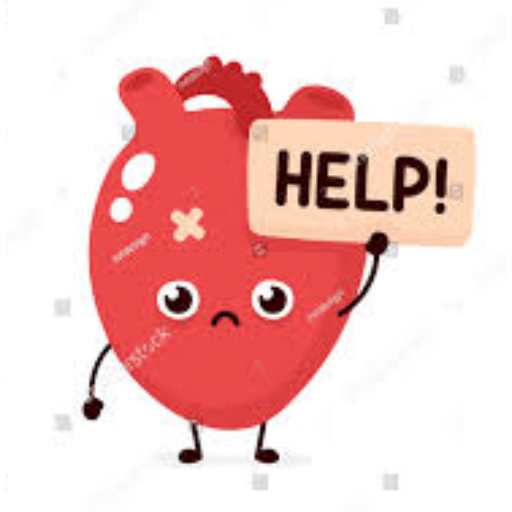
Unfortunately, there were thousands of people on the waiting list for a donated heart, and the average wait time could be months or even years. Either way, Maya's family hoped a donor could soon be found.
The Match
One night, the phone rang. A donor heart had become available. It came from a recently deceased individual who registered to have their organs donated after death.
With this knowlege, Maya and her family rushed to the hospital. This was her chance at survival.



Tissue Typing
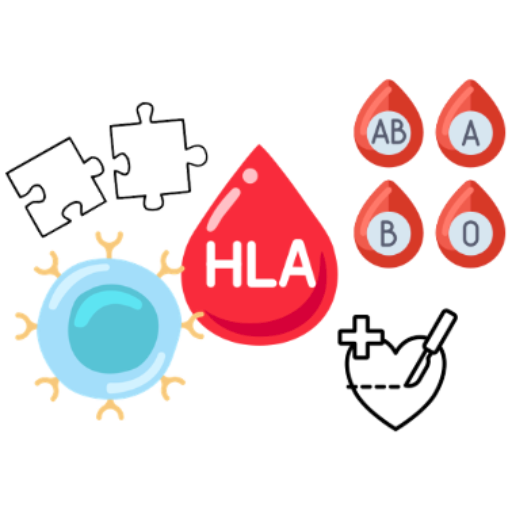
Before the surgery, doctors performed tissue typing to ensure the utmost compatibility. First, they performed a blood typing (ABO) test to match blood types. This test is performed early during the evaluation process and again when a potential donor is identified. This test identifies the ABO blood group of the donor and recipient. This test is run because the donor and recipient must have the same blood type to reduce the chances of acute hyperrejection.
Tissue Typing 2
Second, HLA typing is performed. HLA typing is only done once, and usually occurs when joining the waiting list. HLA typing identifies certain protein markers on cells and antigens. When HLA typing, the doctors want the closest possible match between donor and recipient antigens, specifically aiming to match all six main protein markers. This is because the better the match, the lower the risk of chronic rejection.
Tissue Typing 3
And lastly, cross-matching is performed. Cross-matching is performed immediately before the transplant (STAT) when a deceased donor is identified. A cross-matching test mixes the recipient's serum with donor lymphocytes to detect preformed anti-HLA antibodies. When performing this test, doctors are looking for a negative crossmatch (no antibodies present). This is because a positive result means the recipient's immune system will attack the donor organ.
Preparing for Surgery
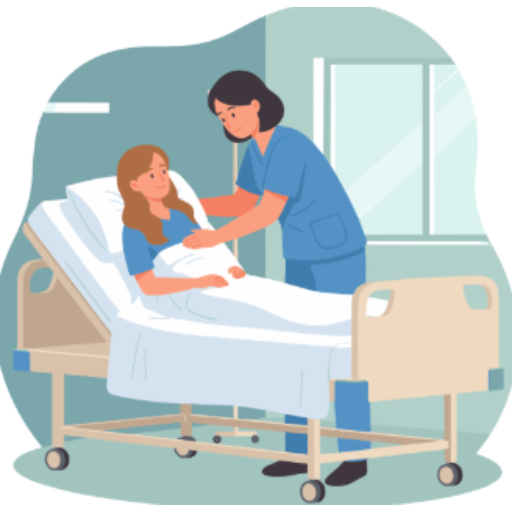
Doctors used a heart from a deceased donor for the transplant. The donor heart is surgically removed, cooled in a preservation solution, and tranported quickly. At the same time, Maya is rushed to the hospital, given medications, and prepared for anesthesia. Maya's preperation team consisted of transplant coordinators, cardiologists, transplant surgeons, critical care doctors, nurses, lab technicians, and anesthesiologists.
- Full access to our public library
- Save favorite books
- Interact with authors
- < BEGINNING
- END >
-
DOWNLOAD
-
LIKE
-
COMMENT()
-
SHARE
-
SAVE
-
BUY THIS BOOK
(from $5.19+) -
BUY THIS BOOK
(from $5.19+) - DOWNLOAD
- LIKE
- COMMENT ()
- SHARE
- SAVE
- Report
-
BUY
-
LIKE
-
COMMENT()
-
SHARE
- Excessive Violence
- Harassment
- Offensive Pictures
- Spelling & Grammar Errors
- Unfinished
- Other Problem






COMMENTS
Click 'X' to report any negative comments. Thanks!