For people who love to learn about nature and our environments.
This book will investigate four key questions.
What are coasts and how are they formed?
Why are coasts important?
Why are coasts under threat?
How do we manage our coasts?
It is hoped that after reading the book that the reader will gain a greater insight and appreciation of our coasts.

Our Coasts
What are coasts and how are they formed?
Coasts are where the sea meets the land or the land meets the sea.
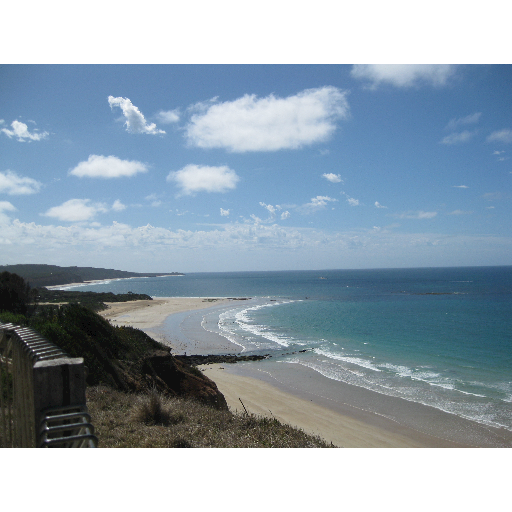
Our coastlines can be thought of being in a constant cycle of movement and energy. The waves never stop.
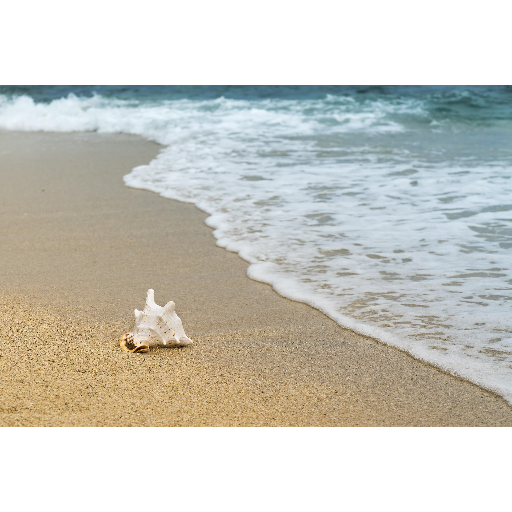
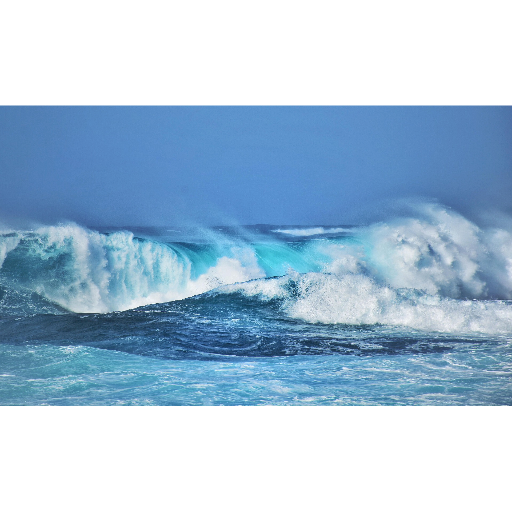
Waves can be categorized into being either constructive or destructive. Constructive waves help build up the beach. They bring material onto the sand and deposit it. These are the gentler waves. When they transport material to the beach, this is referred to as the swash, and this is usually strong. When the wave retreats into the ocean, this is referred to as the backwash, and this is weak. Destructive waves do as their name describes. They cause damage to the beach and take away the sand. They are high energy and could be thought of as being violent or angry. It is considered dangerous to swim in such larger waves eventhough it has become an aim of some surfers. They have a weak swash as the wave comes into the beach and a strong backwash as it drags sand away.
Constructive wave
Destructive wave
Coasts are known for their different weather patterns. Weathering can impact the coastline. Coastlines experience extreme heat and humidity and other coastlines experience very cold temperatures, frost, snow, and ice. These are often referred to as mechanical weathering systems. Biological systems such as burrowing and roots can be identified. Small animals and birds, marine life can make homes in the cliffs. The holes weaken the cliff and can cause landslides and the slumping of the cliff. Seeds fall into cracks and grow. Over time the more the plant grows the greater the pressure is placed on the rock. Rocks then crack, split and fall. These help change the shape and form of the coastline.
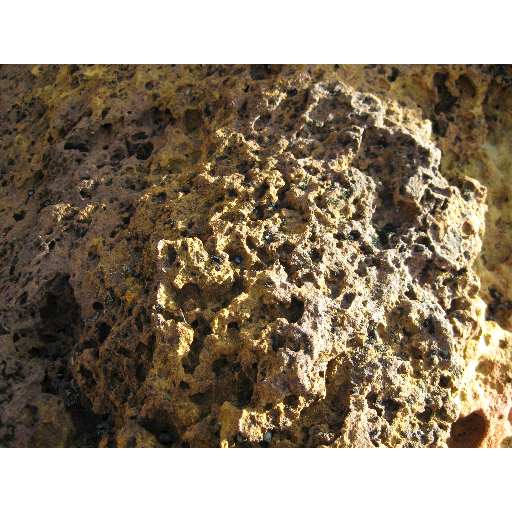
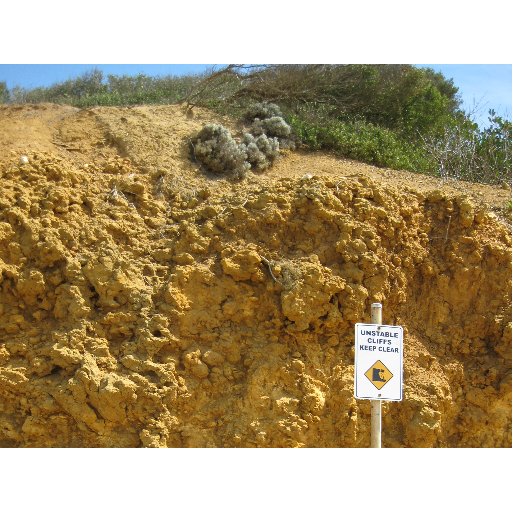
Chemical weathering can take place when rain falls onto a landform. Rain collects carbon dioxide as it falls on to the landform and then the chemical reaction between the water and rock can eat away at the rock changing its form. The higher the level of acid the greater the damage to the rock. When there is a high oxygen level, the oxygen can react with rocks with iron minerals, the rocks oxidise and turn a red brown colour. When acidic water hits a landform, the acid can destroy the minerals in rocks and can turn a hard rock into soft clay. This is referred to as hydrolysis.
Movement along the coast can take place due to landslides, rockfalls, mudflows and slumping.
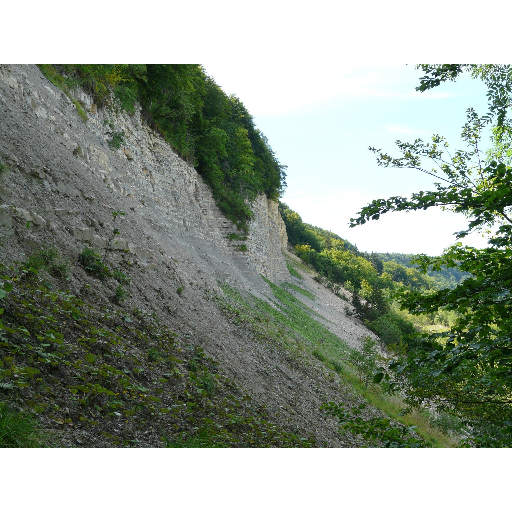
The wind plays a significant part in transportation. The wind can lift sand, sediment, and deposit it in another place. This is referred to as longshore drift. From a Birdseye view and in slow motion, it would look like a zigzag motion along a coastline of collecting and lifting material from place “a” and then dropping the material in place “b.” Transportation changes the shape and form of two places.
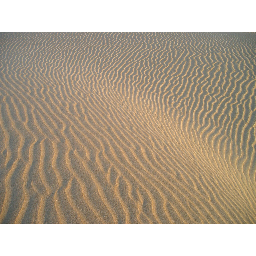
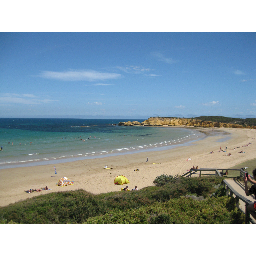
The sea attacks the land via waves and takes away or destroys the land by removing rocks. The movement or taking away of material is referred to as erosion. There are four main types of erosion. Hydraulic action is where air becomes trapped in cracks and the rocks explode. Abrasion is where rocks are thrown against a landform and scratch against the landform. Attrition is where rocks knock against each other and make rocks smaller. Solution is where the acid in the seawater melts rocks that are made of calcium carbonate.
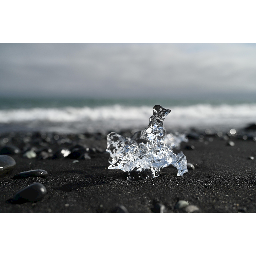
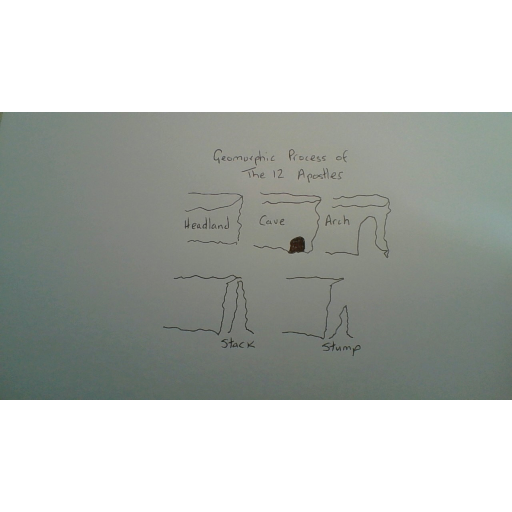
The coastline is made up of different landforms. These can be split into how they have been created. Erosional landforms are where material has been removed to create the shape and form of the landform. Depositional landforms are where material has been taken from one place and put in another to create the shape and form of the landform.
Erosional landforms consist of headlands, bays, cliffs, caves, arches, stacks, stumps, and wave-cut platforms.
Depositional landforms consist of beaches, spits, bars, lagoons, deltas, sand dunes, and tombolos.
The Twelve Apostles.
The Twelve Apostles are a good example of how the coastline has changed over many years. What was part of the mainland Australia, has now via wave action and erosion has formed stacks and stumps in the Southern Ocean. The landforms are thought to be over eight million years old. Each stack and stump contains its own unique ecosystem. The coastline is constantly changing and at this current time only seven Apostles are left. The site is National Heritage listed.
Things you can do.
Create a collage of coasts around where you live or globally.
Visit a beach.
View the waves either physically or via visuals and determine if the waves are constructive or destructive.
Draw and provide an explanation for constructive and destructive waves.
Make up a jingle that describes constructive and destructive waves, including the words swash, backwash, and longshore drift.
Create a T-shirt that displays constructive waves on the front and destructive waves on the back.
Make a podcast explaining the different forms of weathering.
Create a gallery walk using visuals and explanations about different forms of weathering.
Examine landslides along the coast. Create a warning message about where a landslide will take place in the next ten years.
Provide your own explanation for longshore drift and create an informative clip.
What does H.A.A.S. stand for? Give an explanation.
Explain how landforms are formed?
View images and draw the landforms. Annotate with information about how the landform has been formed.
Pick a country and examine the coastline. Use Google Earth to help describe what formations you see.
Why are coasts important? Coasts are used in many ways.
When we go on holidays, we go to a place where there is sun, sand, and the ocean. Many businesspeople have built resorts that follow the coastlines. Large holiday resorts allow people to relax, swim, play golf and sunbathe in the resort whilst looking out at the ocean. Resorts capitalize on their location by offering pathways to walk and sit on the sand and engage in a variety of water sports.
Water sports have increased over time. Swimming, boogie boarding, surfing, diving, paddling on the shore has expanded into more enticing activities. People can now kite surf, paraglide, body board, canoe, kayak, surf ski to name a few. The latter activities usually come with a cost unless they have been packaged with a resort stay.
Ecotourism allows people to enjoy the coastline without heavily impacting on the environment. Money from ecotourism activities often helps fund conservation and education projects. Projects teach about environmental impact, conservation initiatives, cultural respect for the traditional coastal indigenous people and sustainable management. Guided snorkelling and diving programs allow people to enjoy the marine habitat responsibly. Whale watching, observing sea lions, swimming with dolphins and turtles have increased as must-do tourist activities. People are encouraged to help by engaging in citizen activities such as counting birds, monitoring the movement of turtle hatchlings and migration of whales.
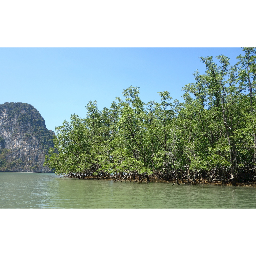
The coastline is not just sand and sea. There are many unique ecosystems that can be seen along the coastline. Mangroves, salt marshes, coral reefs, kelp forest, seagrass meadows, sand dunes and estuarine provide alternative homes to a wide variety of flora and fauna. Each ecosystem has a complex food chain web that relies on nature to survive. Any changes that take place can cause havoc for the flora and fauna in that region Removal of ecosystems can lead to flooding. The oceans store carbon faster than a forest.
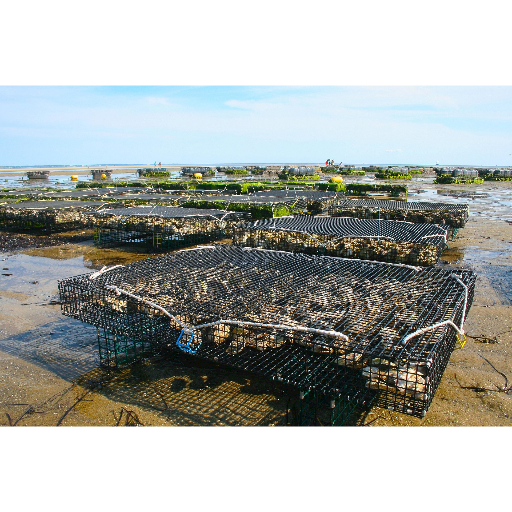
Our oceans have fish. We often see in the media about the catches people make and about declining supplies. People still make a living from catching and selling fish. Seasons can be hard and fishermen rely on technology to help find where the fish are swimming. Laws try to regulate the industry to protect and nurture what we have. Aquaculture – seafood farming has been developed to try to protect the fishing industry.
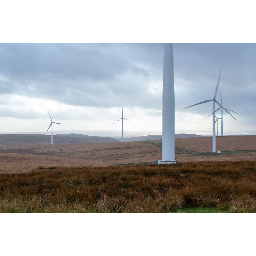
Most of the world’s oil and gas is found located under the oceans. Technology has developed to be able to extract the oil and gas as safely as possible without causing environmental damage. One of the key issues of extracting the oil and gas is the ownership. Countries have waters that they consider belong to them and then international waters that are for everyone. Disputes do take place and people consider our dependency on gas and oil and what the alternatives are. This has prompted some countries to create windfarms in the ocean.
People like to live and work along the coastline. Housing along the coastline is usually expensive due to the relaxed lifestyle and majestic views. People will use the coastline to walk, cycle and ride along. In some places people have a holiday home that they live in for part of the year. This means that the population increases and decreases over a year. Due to climate change and environmental issues, some houses have found that their land has slid into the ocean and some houses have too. Working along the coastline means that jobs are available to cater for goods and services for tourists. People also need to cater for the permanent and seasonal residents.
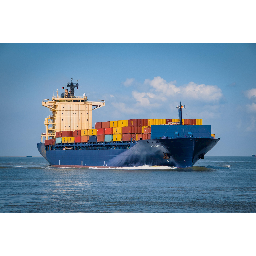
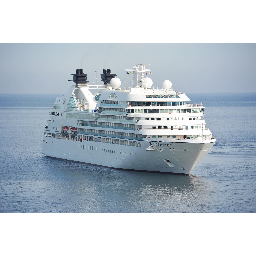
The coastline is also used for transportation. Ports and harbours are located along the coastline to move goods from one place to another. Large companies will sometimes have their own port to make it easier to transport natural resources from one country to another. People are transported by cruise ships, ferries and other watercraft like hovercrafts and yachts.
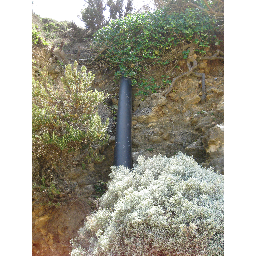
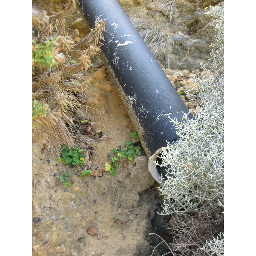
Governments have used the coastline as a means to get rid of stormwater drainage and wastewater discharge. Signs are usually erected informing people not to swim in such areas. People can usually see large pipes going into the ocean and there is often a smell that is associated with the discharge of waste.
These are just a few ways in which we use our coasts.
Things you can do.
Select a coastal destination you would like to go to. Research the cost of flying and staying in a resort. Compare and contrast resorts and facilities. Which one would you choose and why?
In small groups, design a new resort. Create a Birdseye view of your resort, annotate the key. Give a presentation persuading your class to visit the resort. What would be the eco-friendly features? How would the resort emphasise the importance of the coastline? After the presentations, conduct a plus/minus/interesting chart based on the resorts. Vote the best resort in the class.
What water sports have you done? How did you find the experience? How much does it cost to do water sports near where you live? Create a poster promoting a water sport.
Engage in a citizen’s activity, monitor native birds, turtle hatchlings, whales migrating. There are sites on the internet that request help and provide visuals for you to count or monitor animals.
Take an excursion to do whale watching or view turtles being hatched.
Select an ecosystem that exists along the coastline. Conduct research and create an infographic based on your findings. Create a gallery walk for the class or for another year level.
Create a food chain for a fish. What do you notice about the food chain?
Investigate fish stocks and graph quantities of fish and make predictions for the future fish market.
What do you know about aquaculture? Use a notetaking system to build up a set of notes on the subject. Debate whether aquaculture is the right thing to do.
How do we extract oil and gas from our oceans?
Investigate what life is like on an oil rig.
How do tidal energy plants work? Create a model.
The government has decided to place a wind farm in the ocean nearby. What are the strengths, weaknesses, opportunities, and threats of the project? Who will be impacted? Can you write an impact statement for all the stakeholders?
What current disputes are taking place in our oceans. What do you know about pirates and their operations around the world? Write a newspaper headline or breaking news segment on a dispute or pirate story.
Examine houses for sale along a coastline. Pretend that you are an agent and hold a class auction.
- Full access to our public library
- Save favorite books
- Interact with authors
- < BEGINNING
- END >
-
DOWNLOAD
-
LIKE
-
COMMENT()
-
SHARE
-
SAVE
-
BUY THIS BOOK
(from $12.19+) -
BUY THIS BOOK
(from $12.19+) - DOWNLOAD
- LIKE
- COMMENT ()
- SHARE
- SAVE
- Report
-
BUY
-
LIKE
-
COMMENT()
-
SHARE
- Excessive Violence
- Harassment
- Offensive Pictures
- Spelling & Grammar Errors
- Unfinished
- Other Problem
"Landforms and Landscapes Coasts"

This book will investigate four key questions.
What are coasts and how are they formed?
Why are coasts important?
Why are coasts under threat?
How do we manage our coasts?





COMMENTS
Click 'X' to report any negative comments. Thanks!