This book is dedicated to Ms. Zimmerman

Created & published on StoryJumper™ ©2026 StoryJumper, Inc.
All rights reserved. Sources: storyjumper.com/attribution
Preview audio:
storyj.mp/accfeazn58wa
Emily and Bob were fourth graders. They were twins who had lots of different traits but one common hobby: cloud-gazing. They used to love to see shapes in cumulus clouds. They were always in jubilation when they saw unusual and interesting shapes. They cloud-gazed every day. Sometimes they saw different types of clouds. They were very interested to know what those clouds were called and all about the clouds.
2

3
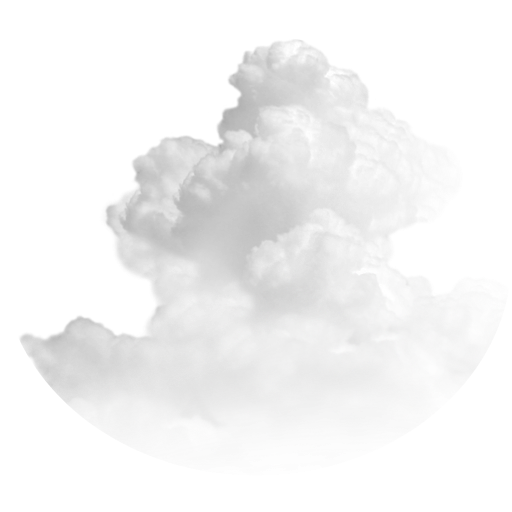
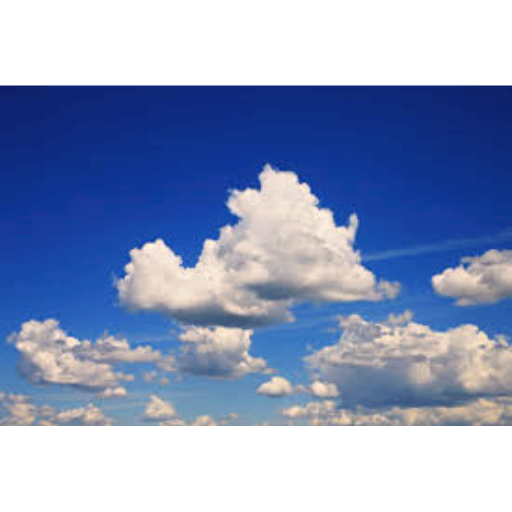
One day, the clouds were white and puffy and very good for spotting shapes. The weather was so good that Bob and Emily had a picnic at the park near their house. The clouds were pretty close to the ground, up to 3,000 feet off the ground.
4
Cumulus clouds are good weather clouds. Like Bob and Emily thought, they are good for spotting shapes. They are white and puffy and look like cotton balls. They are formed by water vapor, super cooled water droplets, or ice crystals. Cumulus is the Latin word for heap. Cumulus clouds are normally less than 3,000 feet off the ground. They are the clouds that usually change into other clouds.
5
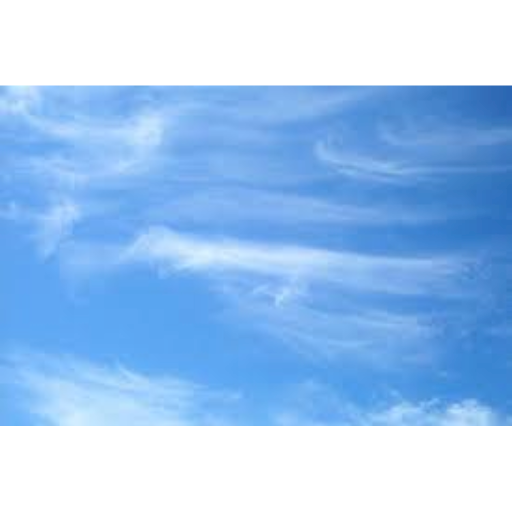
The next day, the weather was great, too. The clouds were kind of hard to see. But their eyesight was efficient, so they could see that the clouds were thin, white, and wispy. They were above 18 thousand feet in altitude.
6
Cirrus clouds are thin, wispy, and indicate good weather. They are above 18,000 feet in altitude. They never bring rain because they are so thin and wispy. Cirrus is Latin for hair, tendril, or curl. Cirrus clouds normally move west to east. They are blown by westerly winds aloft into streamers known as "mares" tails.
7
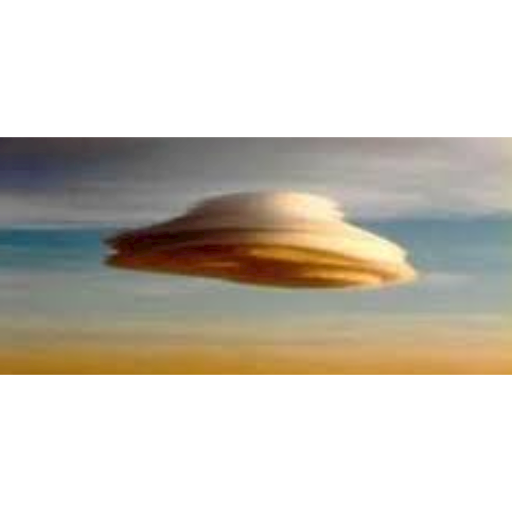
The third day, Emily and Bob were really amazed. They saw clouds that looked like flying saucers or contact lenses. Those clouds were up to 40,000 feet off the ground. They were good weather clouds.
8
Lenticular clouds are clouds that indicate good weather. They look like flying saucers, contact lenses, and sometimes even hats. They are up to 40,000 feet in altitude. They very rarely bring precipitation. Lenticular means lens shaped in Latin. If the temperature of the crest of the wave drops to the dew point, air moisture may condense to form lenticular clouds.
9
Benefits:
- Full access to our public library
- Save favorite books
- Interact with authors
READ
storyjumper.com
- < BEGINNING
- END >
-
DOWNLOAD
-
LIKE(1)
-
COMMENT()
-
SHARE
-
SAVE
BUY THIS BOOK (from $2.99+)
-
BUY THIS BOOK
(from $2.99+) -
BUY THIS BOOK
(from $2.99+) - DOWNLOAD
- LIKE (1)
- COMMENT ()
- SHARE
- SAVE
- Report
Liked By
X
Encourage this author
-
BUY
-
LIKE(1)
-
COMMENT()
-
SHARE
Problem with this book
X
- Excessive Violence
- Harassment
- Offensive Pictures
- Spelling & Grammar Errors
- Unfinished
- Other Problem
Which pages have problems?
Please describe the problem:
left text
right text
"The Clouds"
Emily and Bob, twin fourth graders, love cloud-gazing. They learn about different types of clouds and their characteristics.
(16 pages)
Privacy level:
PUBLIC
33 reads
1 fan
Report





COMMENTS
Click 'X' to report any negative comments. Thanks!