To michelle est une chat + Mr. Osbourn, ta genial

Health
mvvd
table of contents
chapter 1- self esteem 4-7
chapter 2- dating guidelines 8-11
chapter 3- sexting 12-15
chapter 4- dating violence 16-23
chapter 5- sexual harassment 24-29
chapter 6- cyber-bullying 30-33
glossary 34-35
Chapter 1- Self esteem
Q: What is self esteem?
A: Self esteem is a feeling of having respect for yourself and others around you.
Q: How does self-esteem affect body image?
A: Self esteem affects how you see yourself. Having a low self esteem could cause you to feel poorly about how you see yourself physically.
chapter 1- self esteem
Q: How can someone improve their self-esteem?
A: In order to improve one's self esteem they should surround themselves with people who make them feel good and positive influences
Q: Any thing you would like to share from personal experience?
A: A high self esteem doesn't just happen in a day. It takes time and a real effort in order to fully love and respect yourself.
chapter 2- dating guidelines
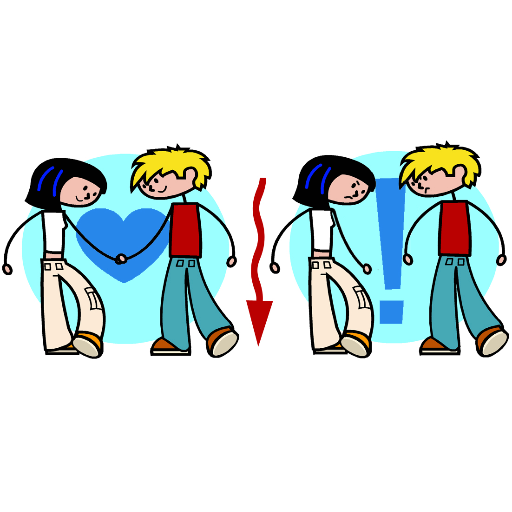
Some characteristics of a healthy relationship include
-honesty/ trust
-good communication
-respect for yourself and each other
-setting boundaries
-balance of power
Some characteristics of an unhealthy relationship include
-verbal and/or physical abuse
-pressure in changing who you are for the other person
-neglecting yourself or partner
-control and manipulating each other

chapter 2- dating guidelines
Appropriate conflict resolutions include;
-talking things out while listening to one another
-getting professional help
-don't put off talking about your issues in your relationship
-make an effort together to come to conclusion where you both get some of want by compromise
Advice I have to give to couples would be to ALWAYS be honest with each other. No matter what the scenario, and how much you don't want to admit whatever it is to the other person you owe to them to be honest and what you have to say can't be worse than what could happen if you don't
Chapter 3- sexting guidelines
Q: what is sexting?
A: the definition of sext is sending someone sexually explicit photos or messages via cell phone.
Q: how is sexting used?
A: teens and young adults use sexting as a way to talk to their partner intimately over the phone.
Q: anything you'd like to share from personal experience?
A: I do not have any experience with it, but I will not being doing it in the future because so many things are at risk whenever you share something like that online with someone and overall it's not a smart idea.
chapter 3- sexting guidelines
Q: what are the dangers of sexting?
A: sexting is dangerous because you could be humiliated if a valued peer, co-worker, boss, or your family see's what you did or finds out is completely humiliating.
Q: what are the consequences of sexting?
A: Even if you only do it once, you don't have control over what the other person will do with the messages, pictures or videos. They could be all over the internet in a matter of minutes. There are also possible legal consequences like child pornography charges especially if one of them is a minor.

Chapter 4- dating violence
Different types of violence include;
-physical violence
-emotional violence
-cultural violence
-sexual violence
Resources to get help include;
-www.regainus.com -saving relationships
-www.joyfullheartfoundation.org - reporting violence
-National Domestic Violence Hotline -1.800.799.7233
www.ndvh.org

chapter 4- violence guidelines
the cycle of violence has three main phases. The first one starts with tension building. This stage includes the building of tension between you and your partner. You try to avoid violence and always seem to be the one trying to control the situation. Minor incidents of physical or verbal abuse occur.

chapter 4- dating violence
The second phase in the violence cycle is called "explosion". In this phase actual violence occurs. Emotional, physical, any type of violence is included in this phase of the cycle. Escalating overtime, the Explosion phase is what I would consider as the "climax".

chapter 4- dating violence
The final phase is the "honeymoon phase". During this phase the abuser is apologetic. He/she makes promises and doesn't end up keeping them. This phase disappears with time because the violence continues and the abuser realizes that they don't have to beg for forgiveness because they know you'll forgive them and let it happen. This cycle continues and doesn't stop unless you make it. In the midst of this cycle there's denial. You act as if the violence didn't happen and convince yourself that he/she will stop.
- Full access to our public library
- Save favorite books
- Interact with authors
- < BEGINNING
- END >
-
DOWNLOAD
-
LIKE
-
COMMENT()
-
SHARE
-
SAVE
-
BUY THIS BOOK
(from $6.79+) -
BUY THIS BOOK
(from $6.79+) - DOWNLOAD
- LIKE
- COMMENT ()
- SHARE
- SAVE
- REMIX
- Report
-
BUY
-
LIKE
-
COMMENT()
-
SHARE
- Excessive Violence
- Harassment
- Offensive Pictures
- Spelling & Grammar Errors
- Unfinished
- Other Problem





COMMENTS
Click 'X' to report any negative comments. Thanks!