
dedicated to my cat

table of contents
digestive system 4-9
skeletal system 10-15
nervous system 16- 21
cardiovascular system 22-27
table of contents
muscular system 28-33
sensory system 34-39
endocrine system 40-45
urinary/excretory system 46-51
lymphatic/immune system 52-57
DIGESTIVE SYSTEM FUNCTIONS
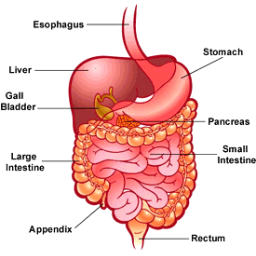
-the purpose of the digestives system is for digesting and absorbing. It breaks down food into small molecules that are then absorbed into the body as nutrients.
DIGESTIVE SYSTEM ORGANS
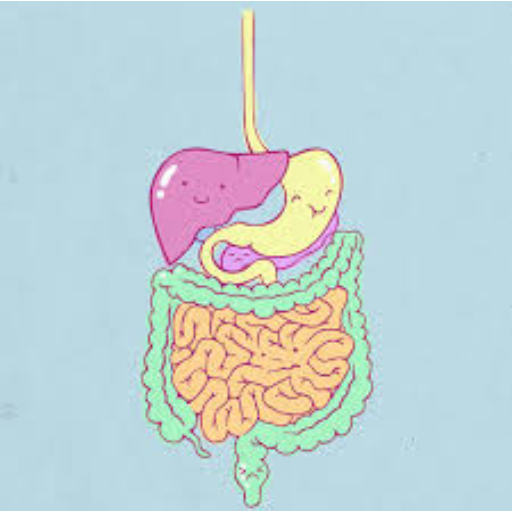
-major organs include the stomach, small intestine and large intestine.
-the small intestine is where 90% of digestion occurs making the other 10% happen in the large intestine and the stomach
-the large intestine takes nutrients and uses it in the body as metabolism
-the stomach secretes acids and enzymes that digest food
DIGESTIVE SYSTEM COMPLICATIONS
-some diseases associated with the digestive system include;
-heartburn/GERD
-IBD
-Crohn's disease
-Gallstones
-hemorrhoids
-Celiac disease
-Irrital bowel syndrome
DIGESTIVE SYSTEM INTERACTIONS
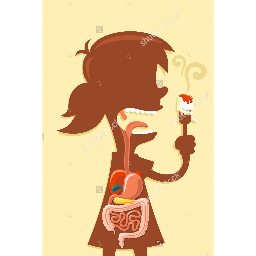
-the digestive system works mostly with the Circulatory system to get the nutrients throughout your whole body and the Endocrine system by controlling the speed of digestion
DIGESTIVE SYSTEM MAINTENANCE
-ways to maintain a healthy digestive system include;
-eating a high fiber diet
-choosing to eat lean meats (chicken)
-stay hydrated
-avoid foods high in fat
-avoid alcohol, drugs and caffeine
-incorporate probiotics into your diet
-eat on a schedule
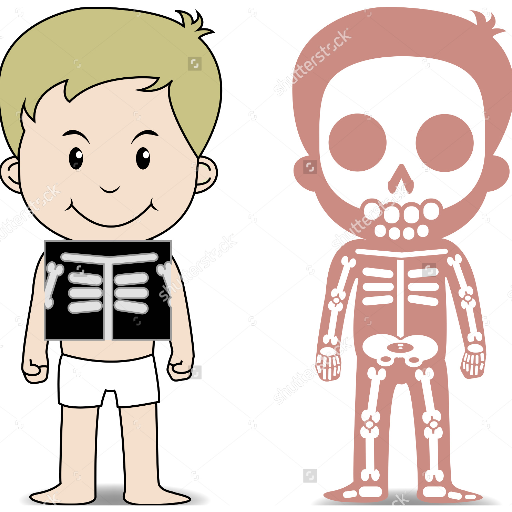
SKELETAL SYSTEM FUNCTIONS
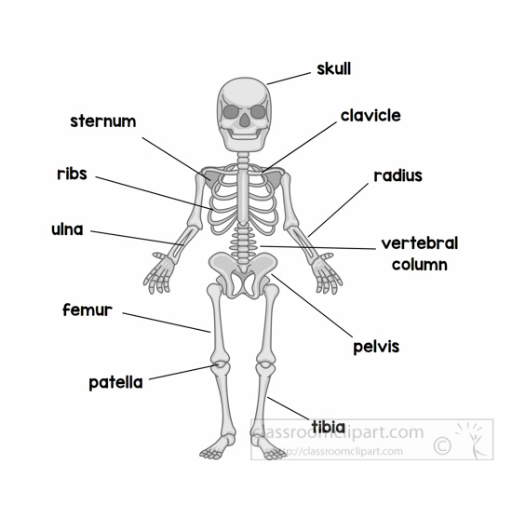
-the main purpose of your skeletal system is support, movement, protection, blood cell production, calcium storage and endocrine regulation.
SKELETAL SYSTEM ORGANS
-the most important organ of the skeletal system are the bones
SKELETAL SYSTEM COMPLICATIONS
-the skeletal system has a multitude of possible disorders and diseases including;
-osteoporosis: having brittle bones to an extent where they are prone to fractures
-osteomalacia: similar to osteoporosis, this is another type of bone loss
-bone cancer: cells from tissue develop into cancer
SKELETAL SYSTEM INTERACTIONS
-the skeletal and muscular system work so closely together that sometimes they are referred to as one. Each end of a skeletal muscle is attached to a bone giving it something to contract against with the help of tendons.
-the calcified bones of the skeletal system work with the circulatory system because bone marrow is critical to the circulatory system. The cells in marrow produce white and red blood cells
SKELETAL SYSTEM MAINTENANCE
-in order to maintain a strong skeletal system you need to take care of it by having a good diet and exercising regularly, also don't forget about your daily intake of calcium each day.
NERVOUS SYSTEM FUNCTION
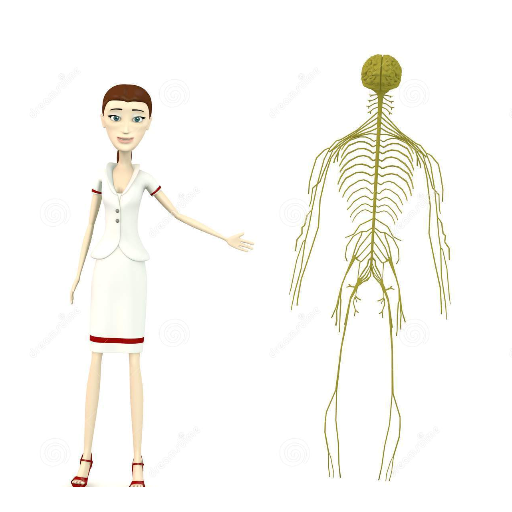
-the function of the nervous system is controlling the body and communication among its parts. Its complex nerves and cells (neurons) transmit signals between different parts of the body.
NERVOUS SYSTEM ORGANS
-the organs of the nervous system are the brain and the spinal cord.
-The brain receives nerve impulses from the spinal cord and cranial nerves
-The spinal cord contains the nerves that carries messages between the brain and body
NERVOUS SYSTEM COMPLICATIONS
-carpal tunnel syndrome
-multiple sclerosis
-Alzheimer's disease
-Parkinson's disease
-brain or spinal cord tumors
-Huntington chorea
-peripheral neuropathy
NERVOUS SYSTEM INTERACTIONS
-the nervous system works with the endocrine system which works with your brain controlling the creation of hormones and enzymes
-works with the muscular system allowing movement throughout your body and interaction with your environment
NERVOUS SYSTEM MAINTENANCE
-exercise regularly
-avoid toxins in your body like drugs or alcohol
-eat a balanced diet
-get good sleep
-take care of your health conditions that could cause a decrease in the function of your nervous system
CARDIOVASCULAR SYSTEM FUNCTION
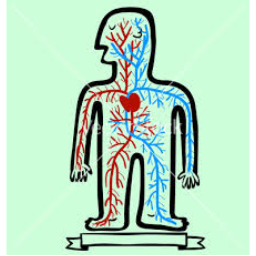
-the purpose of the cardiovascular system is providing blood circulation to individual cells with oxygen and nutrients and disposing of metabolic wastes
-the heart pumps blood around the blood vessels
CARDIOVASCULAR SYSTEM ORGANS
-the heart, blood vessels and blood help transport vital nutrients through the deeper most tissues of the body while removing waste.
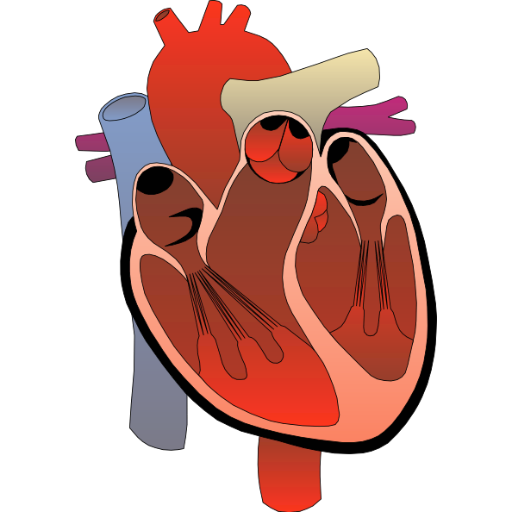
- the heart keeps your life going, without it you wouldn't be alive. the heart is the organ that functions non-stop from birth to death
CARDIOVASCULAR SYSTEM COMPLICATIONS
-coronary artery disease (narrowing of the arteries)
-anemia
-heart attack
-abnormal heart rhythms or arrhythmia's
-heart failure
-heart valve disease
-congenital heart disease

CARDIOVASCULAR SYSTEM INTERACTIONS
-works with the respiratory system by providing nutrients and oxygen to the body
-the circulatory system helps by carrying waste and carbon dioxide out of the body
-the hormones produced by the endocrine system are transported through the blood
CARDIOVASCULAR SYSTEM MAINTENANCE
-staying physically lowers your blood pressure and strengthens your blood vessels and heart muscles.
-by maintaining a healthy weight for your age to support your cardiovascular system is also important
-avoid foods with unsaturated fats and especially omega-3 fatty acids. This helps by preventing irregular heart beats etc.
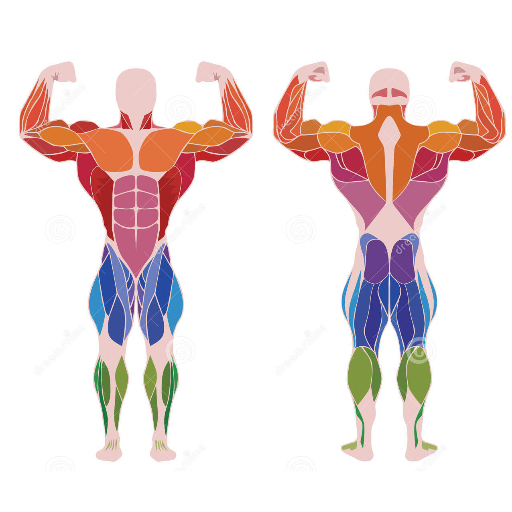
MUSCULAR SYSTEM FUNCTION
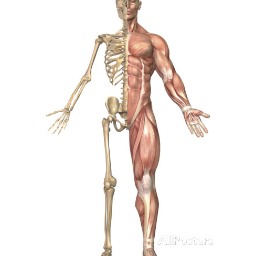
-responsible for the movement of the body, maintaining posture, circulating blood and other substances, among other functions
MUSCULAR SYSTEM ORGANS
-visceral muscle is found inside of your organs like the stomach, intestines and blood vessels
-cardiac muscle: found only in the heart responsible for pumping blood into the body
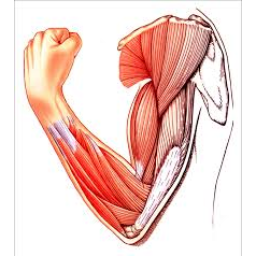
-skeletal muscle
MUSCULAR SYSTEM COMPLICATIONS
-muscular dystrophy
-cerebral palsy
-compartment syndrome
-fibrodysplasia ossificians progressiva
-dermatomysitis
-Myasthenia Gravis
-Polymyositis
MUSCULAR SYSTEM INTERACTIONS
-the muscular system works closely with the nervous system
-works with the skeletal system by giving it something to contract against and letting it move
MUSCULAR SYSTEM MAINTENANCE
-working out with weights
-change your workout every six to eight weeks
-keep a balanced diet
-remember to stretch your muscles often
SENSORY SYSTEM FUNCTION
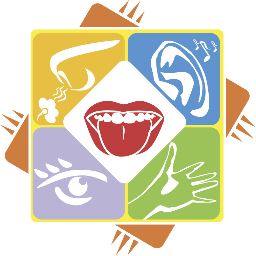
-consists of sensory receptors, neural pathways and sensory perception
-provides vision (sight), auditory (hearing), somatic sensation (touch), gustatory (taste), olfaction (smell), and vestibilar (balance/movement)
SENSORY SYSTEM ORGANS
-organs include brain, skin, ears, eyes, nose, and tongue
-skin is the largest organ of the body
-eyes are the most vital organ of the body
-ears are responsible for hearing and the maintenance of balance
-nose is an organ of respiration but also includes sense of smell.
-tongue is the organ of taste in the mouth
SENSORY SYSTEM COMPLICATIONS
-blindness/visual impairment
-cataracts
-deafness
-glaucoma
-microthalmia
-nytagmus
-ptosis
-sensory processing disorder
- Full access to our public library
- Save favorite books
- Interact with authors
- < BEGINNING
- END >
-
DOWNLOAD
-
LIKE
-
COMMENT()
-
SHARE
-
SAVE
-
BUY THIS BOOK
(from $11.19+) -
BUY THIS BOOK
(from $11.19+) - DOWNLOAD
- LIKE
- COMMENT ()
- SHARE
- SAVE
- REMIX
- Report
-
BUY
-
LIKE
-
COMMENT()
-
SHARE
- Excessive Violence
- Harassment
- Offensive Pictures
- Spelling & Grammar Errors
- Unfinished
- Other Problem





COMMENTS
Click 'X' to report any negative comments. Thanks!