To-- Mr. Toigo

Table of Contents:
Chapter 1- Digestive System
Chapter 2- Skeletal System
Chapter 3- Nervous System
Chapter 4- Cardiovascular System
Chapter 5- Muscular System
Chapter 6- Sensory System
Chapter 7- Endocrine System
Chapter 8- Urinary System
Chapter 9- Lymphatic System
The function of the digestive system is the breakdown food into small molecules and absorb those food molecules into the body. The major organs of the digestive system are: the salivary glands, the pharynx, the esophagus, the stomach, the small intestine, the large intestine the rectum, the liver, the gallbladder, and the pancreas
Chapter 1- Digestive System
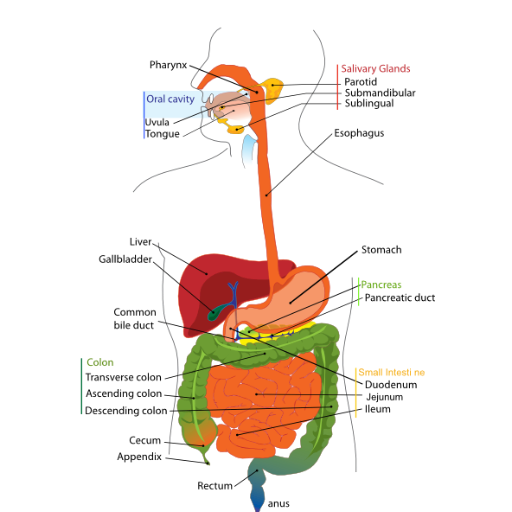
The salivary glands secrete saliva into your mouth. The pharynx receives food from your mouth. The esophagus connects the pharynx to the stomach. The stomach secretes acid and enzymes that digest food. The small intestine is where 90% of the digestion and food absorption occurs. The large intestine is where the other 10% takes place. The rectum is the last straight section of the large intestine. The liver produces proteins that are important to blood clotting. The gallbladder is mainly a storage organ that helps in digestion. The pancreas produces enzymes and digestive juices.
Three common disorders of the digestive system are gallstones, Crohn's disease, and irritable bowel syndrome. Gallstones are hard deposits in your gallbladder. A way to treat gallstones are surgical removal, but you can prevent them by having a sensible diet. Crohn's disease is a chronic inflammatory condition of the gastrointestinal tract. You can treat Crohn's disease with therapy, diet, and nutrition; one problem is that nobody knows how to prevent it. Irritable bowel syndrome is a widespread condition involving recurrent abdominal pain and diarrhea.
You can treat irritable bowel syndrome with medication, but you can prevent it by eating fiber. The digestive system works with the circulatory system to absorb nutrients throughout the body. A person can maintain a healthy digestive system by: eating a high fiber diet, limiting foods that are high in fat, choosing lean meats, incorporate probiotics, eat on a schedule, stay hydrated, and skip bad habits; like smoking and drinking alcohol.
Chapter 2: Skeletal System
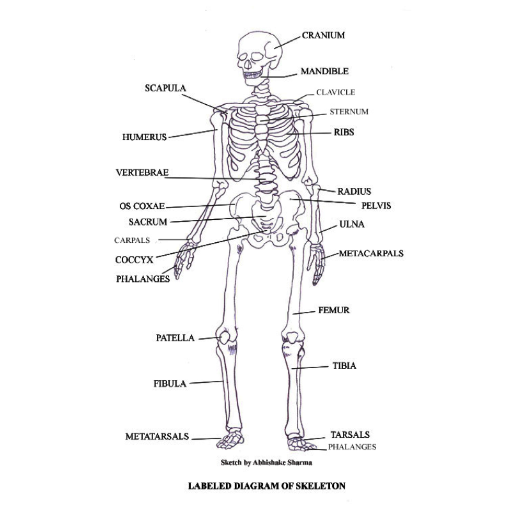
The function of the skeletal system to support, movement, protection, blood cell production, calcium storage, and endocrine regulation. The major organs of the skeletal system are: bones, ligaments, joints, tendons, and cartilage. The bones provide support for our bodies and help form our shape The ligaments help connect the bones together. The tendons connect skeletal muscle to bone. The joints connect two bones and allow them to move.
Three common diseases of the skeletal system are osteoporosis, leukemia, and scoliosis. Osteoporosis is a condition where the bones become brittle and fragile. Leukemia is cancer in the blood marrow and other blood forming organisms. Scoliosis is when your spine curves the wrong way. The skeletal system works with the circulatory system with its bone marrow helping produce the cells inside of the circulatory system. To maintain a healthy skeletal system you need to keep your bones strong by drinking calcium.
Chapter 3- Nervous System
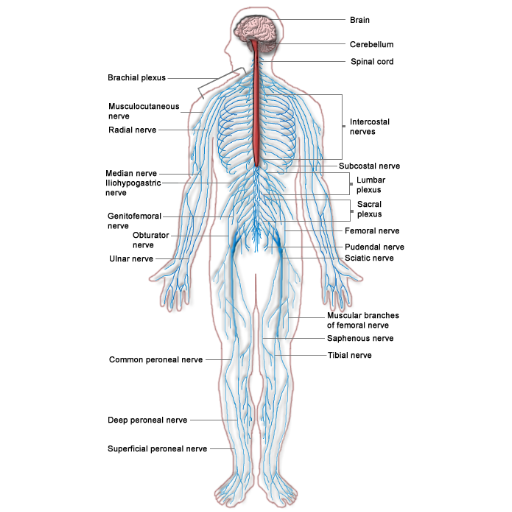
The function of the nervous system is to communicate with the brain via electrical impulses and neurotransmitters. The major organs of the nervous system are: the brain, the spinal cord, the sensory organs, and all the nerves. The brain is like a central computer that controls all of your functions. The spinal cord is a pathway for messages sent by the brain to the body and the body to the brain. The sensory organs relay information through sensory neurons to the appropriate places within the nervous system. The nerves will tell your muscles to move, or tell them to feel something.
Three common disorders of the nervous system are vascular disorders, infections, and structural disorders. Vascular disorders are strokes and transient ischemic. Infections are meningitis and polio. Structural disorders are brain and spinal cord injuries. The skeletal system works with the endocrine system to control the creation of certain hormones and enzymes. To maintain a healthy nervous system you need to exercise regularly, don't smoke, get plenty of rest, and eat a balanced diet.
Chapter 4- Cardiovascular System
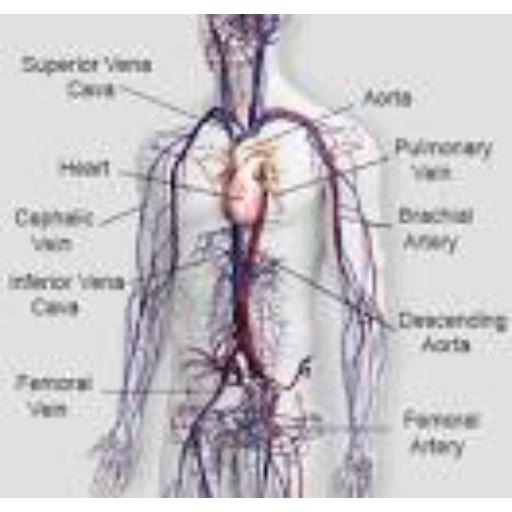
The function of the cardiovascular system is to circulate the blood, keep the heart pumping, and provide individual cells with oxygen and nutrients. The major organs of the cardiovascular system are the heart, the arteries, and the veins. The heart delivers oxygen and nutrients to the body. The arteries carry blood from the heart. The veins carry blood to the heart. Some disease of the cardiovascular system are coronary artery disease, heart attacks, and heart failure.
A coronary artery disease is when plaque builds up in your arteries. A heart attack is a sudden and fatal occurrence of coronary thrombosis. Heart failure is severe failure of the heart to function properly. The cardiovascular system works with the respiratory system to supply oxygen and nutrients. It also works with the endocrine system to carry hormones from the endocrine system. In order to maintain a healthy cardiovascular system, yoyu need to eat a healthy diet and stay physically active.
Chapter 5- Muscular System
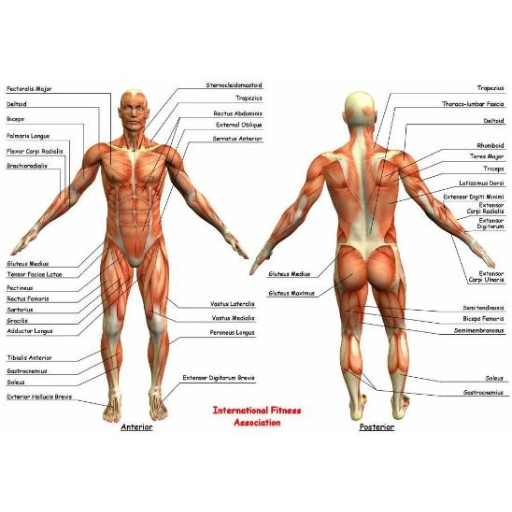
The function of the muscular system is movement. The major organs of the muscular system are muscles and muscle tissue. Muscles help the body move. Muscle tissue provides posture and body support. Three common disorders of the muscular system are muscular dystrophy, cerebal palsy, and dermatomyositisis. Muscular dystrophy is a hereditary condition marked by progressive weakening and wasting of the muscles. Cerebral palsy is a condition marked by impaired muscle coordination. Dermatomyositisis is inflammation of the skin and underlying muscle tissue.
The muscular system works with the nervous system to transmit what the skin feels to the nerves which transmits it to the brain. You can maintain a healthy muscular system by exercising regularly.
Chapter 6- The sensory System
The function of the sensory system is to detect stimuli from the outside world. The major organs of the sensory system are: the eyes, the ears, the tongue, the skin, and the nose. The eyes see things and transmit what you see to the brain. The ears hear things and then transmit those sounds to the brain. The tongue tastes things and then transmits what it tastes to the brain. The skin feels things and transmits it to the brain. The nose smells things and transmits those smells to the brain.
- Full access to our public library
- Save favorite books
- Interact with authors
- < BEGINNING
- END >
-
DOWNLOAD
-
LIKE
-
COMMENT()
-
SHARE
-
SAVE
-
BUY THIS BOOK
(from $6.39+) -
BUY THIS BOOK
(from $6.39+) - DOWNLOAD
- LIKE
- COMMENT ()
- SHARE
- SAVE
- Report
-
BUY
-
LIKE
-
COMMENT()
-
SHARE
- Excessive Violence
- Harassment
- Offensive Pictures
- Spelling & Grammar Errors
- Unfinished
- Other Problem





COMMENTS
Click 'X' to report any negative comments. Thanks!